The Sorrows of the Unfaithful
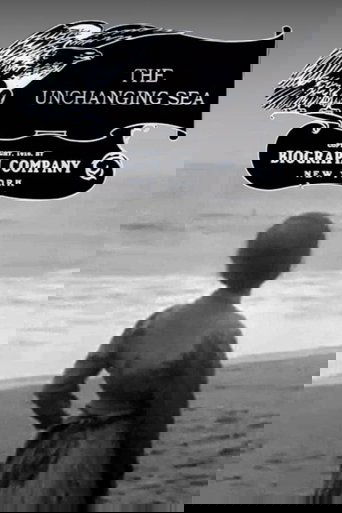
"Bill strolling shore espies."
Keys: Space play/pause · ←/→ 10s · F fullscreen · M mute · </> speed
About this film
Mary becomes smitten with Joe and cruelly casts Bill aside. Bill, while strolling on the shore, espies a raft with an object on it that looks like a human being, far out at sea. He swims to the raft and finds an exhausted fisherman lying prone upon it.
Cast & crew
More films like this

More Drama films
View all →







More from D.W. Griffith
View all →
More about this film
About the production
Release dateFebruary 3, 1910
ProductionBiograph Company
Filmed inCalifornia, New York
This was one of the many short films D.W. Griffith directed for the Biograph Company during his prolific period there from 1908-1913. The film was shot on location and at Biograph's studio, typical of the company's production methods. Griffith was experimenting with narrative techniques and character development during this period, using natural locations to add realism to his stories.
Themes
Love and betrayalChildhood innocence vs. adult temptationFriendship and loyaltyMoral consequencesFate and intervention
Themes & topics
Historical background
The 1910 premiere of The Sorrows of the Unfaithful belongs to the broader shift toward narrative features and recognizable genres.
Why this film matters
Festival and repertory screenings keep The Sorrows of the Unfaithful in circulation among silent- and classic-film communities.
Making of
D.W. Griffith was rapidly developing his directorial style during this period, experimenting with camera placement, editing techniques, and narrative structure. The Biograph Company operated on an assembly-line production system, with Griffith often directing multiple films in a single week. Mary Pickford was becoming one of Griffith's favorite actresses, and he would cast her in numerous films during this period. The outdoor sequences were likely challenging to film given the technical limitations of 1910 cameras and equipment, particularly any scenes involving water. The cast would have had to perform with exaggerated gestures typical of silent film acting to convey emotions without dialogue.
What critics said
Audience surveys from 1910 are sparse; interest in The Sorrows of the Unfaithful is inferred from reissue and archive activity.
Did you know?
- This film was released during D.W. Griffith's most productive period at Biograph, where he directed over 450 short films.
- Mary Pickford was only 17 years old when she appeared in this film, early in her career before becoming 'America's Sweetheart.'
- The film represents Griffith's early exploration of romantic triangles and moral themes that would become central to his later feature films.
- Henry B. Walthall would later star in Griffith's groundbreaking 1915 film 'The Birth of a Nation.'
- Like many films of this era, it was likely shot in a single day or two, given the rapid production schedule at Biograph.
- The film was released on a split reel with another Biograph short, common practice for maximizing theater programming.
- Edward Dillon, who appears in the film, was the brother of actress and director Dorothy Gish and would later become a director himself.
- The fishing village setting was likely filmed on location in California, where Biograph had moved to take advantage of better weather.
Visual style
The cinematography by G.W. Bitzer (Griffith's regular cameraman at Biograph) would have used the basic equipment available in 1910. The film likely employed static camera positions typical of the period, with some movement following the action. The outdoor sequences would have utilized natural lighting, while interior scenes would have been lit with harsh artificial light. Bitzer was experimenting with techniques like close-ups and varying camera angles during this period, though these innovations were still in early stages of development.
Innovations
While not technically groundbreaking like some of Griffith's other works from this period, the film demonstrates the emerging techniques of narrative cinema. The use of location shooting for the fishing village scenes added realism that was still relatively innovative for 1910. The film likely employed basic editing techniques including cross-cutting between characters, a technique Griffith was helping to develop and popularize. The underwater or water sequences, if included, would have presented significant technical challenges for the period.
Music
As a silent film, 'The Sorrows of the Unfaithful' would have been accompanied by live music during theatrical exhibition. The specific musical selections would have been left to the theater's pianist or organist, who would choose appropriate pieces to match the mood of each scene. Popular classical pieces, ragtime, or original improvisations might have been used. Biograph sometimes provided musical suggestions with their films, but the actual accompaniment varied by theater and performer.
Famous quotes
No dialogue exists as this is a silent film. Any quotes would be from intertitles, which are not documented for this specific film.
Memorable scenes
- The dramatic rescue sequence where Bill swims out to save the exhausted fisherman Joe, demonstrating the heroism and selflessness that makes his later betrayal by Mary more poignant.
What audiences thought
Audience reception in 1910 would have been gauged by box office returns and word-of-mouth rather than formal reviews. The film's themes of love and betrayal were popular subjects for early dramatic films and would have resonated with nickelodeon audiences. The presence of Mary Pickford, even before she became a major star, would have been a draw for regular filmgoers who were beginning to recognize and follow favorite actors. The short format and clear moral story would have been appropriate for the mixed audiences of the period.
Film connections
Influenced by
- Stage melodrama
- Victorian literature
- Contemporary short stories
- Biblical parables of temptation
This film influenced
- Later Griffith films exploring similar themes
- Other Biograph dramas of the period
- Early Hollywood romantic dramas
Film restoration
The preservation status of 'The Sorrows of the Unfaithful' is uncertain. Many Biograph films from this period have survived, but a significant number have been lost. The film may exist in archives like the Library of Congress or the Museum of Modern Art, which hold extensive Biograph collections, but specific information about this title's survival is not readily available.
Where to watch
- The film is not currently available on major streaming platforms. If it survives, it may be accessible through film archives, special screenings, or included in specialized collections of early cinema or D.W. Griffith's work.