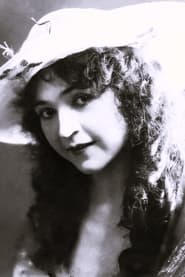
Gertrude Robinson
Actor
Born: October 17, 1890 in New York City, New York, USA Died: March 19, 1962 Active: 1908-1913
Films
4 films

About Gertrude Robinson
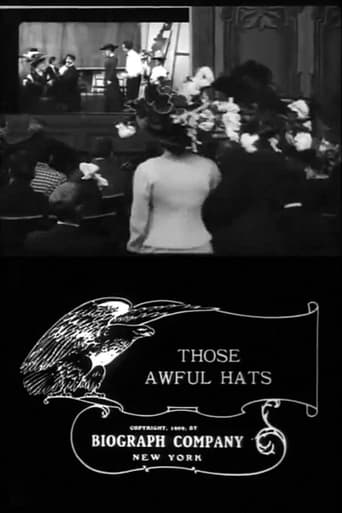
Actress in the earliest days of American cinema, working primarily during the silent film era's formative years. Born in New York City in 1890, she began her film career with the American Biograph Company in 1908, becoming one of the regular performers in D.W. Griffith's stock company. Robinson appeared in numerous one-reel shorts between 1908 and 1913, often playing supporting roles alongside other early film pioneers like Mary Pickford, Mack Sennett, and Owen Moore. Her most frequently cited works include 'Those Awful Hats' (1909), a comedic short about theater etiquette, and 'The Sorrows of the Unfaithful' (1910), a dramatic piece typical of Griffith's early moral tales. Robinson's career was relatively brief, spanning roughly five years during which she appeared in dozens of films that helped establish the language of cinema. Like many early film actors, she did not transition successfully to feature-length films as the industry evolved, and her career faded by the mid-1910s. She spent her later years in Los Angeles, having witnessed the transformation of cinema from its primitive beginnings to the sophisticated Hollywood studio system.
The Craft
On Screen
Robinson's acting style was typical of the transitional period between stage and screen acting, featuring exaggerated gestures and facial expressions necessary for silent film communication. Like many Biograph players, she adapted theatrical techniques to the new medium, learning to modulate her performances for the camera's intimate perspective. Her work demonstrated the gradual evolution from broad pantomime to more naturalistic screen acting that would characterize later silent cinema.
Milestones
- Member of D.W. Griffith's original Biograph stock company
- Appeared in over 30 short films during cinema's earliest years
- Participated in the development of early film acting techniques
- Worked alongside cinema pioneers like Mary Pickford and Mack Sennett
- Starred in 'Those Awful Hats' (1909), one of Griffith's earliest comedies
Best Known For
Iconic Roles
Must-See Films
Accolades
Special Recognition
- contributor to early American cinema
Working Relationships
Worked Often With
Studios
Why They Matter
Impact on Culture
Gertrude Robinson represents the generation of performers who helped establish the foundation of American cinema during its infancy. As a member of Griffith's Biograph troupe, she contributed to the development of film acting techniques that would influence generations of performers. Her work in dozens of early shorts helped demonstrate the commercial and artistic potential of motion pictures, contributing to cinema's evolution from novelty to legitimate art form. Though her individual contributions were modest, she was part of the collective effort that transformed filmmaking from experimental curiosity to dominant entertainment medium.
Lasting Legacy
Robinson's legacy lies primarily in her status as one of cinema's earliest professional actresses, representing the transitional period between theatrical and screen performance traditions. Her filmography, though brief, provides valuable documentation of early American cinema's development and the evolution of acting techniques for the camera. While not as well-remembered as some of her Biograph contemporaries like Mary Pickford, Robinson's work survives as part of the historical record of cinema's formative years, offering insights into the earliest days of Hollywood and the performers who paved the way for future generations.
Who They Inspired
As an early film performer, Robinson's influence was primarily through example rather than direct mentorship. Her adaptation of stage acting techniques for the camera contributed to the development of screen acting methodology that would be refined by subsequent generations. The body of work she created with Griffith's Biograph company served as reference material for actors entering the field in subsequent years, helping establish conventions for film performance that would become standardized throughout the silent era and beyond.
Off Screen
Gertrude Robinson lived a relatively private life away from the spotlight after her film career ended. She married and settled in Los Angeles, where she lived until her death in 1962 at age 71. Unlike many of her contemporaries who remained in the public eye, Robinson largely disappeared from entertainment industry records after her brief film career, suggesting she preferred a quiet domestic life to continued involvement in show business.
Did You Know?
- Her film career lasted only five years but included appearances in over 30 films
- She worked at American Biograph during the same period as future stars Mary Pickford and Lionel Barrymore
- Many of her films were shot at Biograph's studio in Manhattan and on location in Fort Lee, New Jersey
- Her most famous film 'Those Awful Hats' was only 3 minutes long
- She was part of the first generation of actors to work exclusively in motion pictures rather than transitioning from stage
- Like many early film actors, she received no screen credit for most of her performances
- Her films were distributed on a 'states rights' basis, a common practice before the studio system was established
- She worked with cinematographer Billy Bitzer, who pioneered many early film techniques
- Her career ended before the feature film became the industry standard
- She witnessed the transition from short films to feature-length movies but did not participate in the latter era
Frequently Asked Questions
Who was Gertrude Robinson?
American actress who worked in silent films during the early 1910s, primarily with D.W. Griffith at the American Biograph Company. She appeared in dozens of short films during cinema's formative years, contributing to the development of early film acting techniques.
What films is Gertrude Robinson best known for?
Titles linked here include Those Awful Hats (1909), The Sorrows of the Unfaithful (1910).
When was Gertrude Robinson born and when did she die?
Born October 17, 1890; died March 19, 1962.
What awards did Gertrude Robinson win?
Gertrude Robinson did not receive any formal awards or nominations during her brief film career, as the academy awards system had not yet been established during her active years in the early 1910s.
What was Gertrude Robinson's acting style?
Robinson's acting style reflected the transitional period between stage and screen performance, featuring the exaggerated expressions typical of early silent film. Like other Biograph players, she adapted theatrical techniques for the camera, helping develop the conventions of screen acting that would evolve throughout the silent era.
Why did Gertrude Robinson's career end so early?
Robinson's career ended around 1913, likely due to the rapid changes in the film industry as it transitioned from short films to features and the studio system developed. Many early film actors who specialized in shorts struggled to adapt to these changes, and Robinson appears to have left the industry rather than transitioning to the new era of feature filmmaking.