Films
2 films
About Marion Emmons
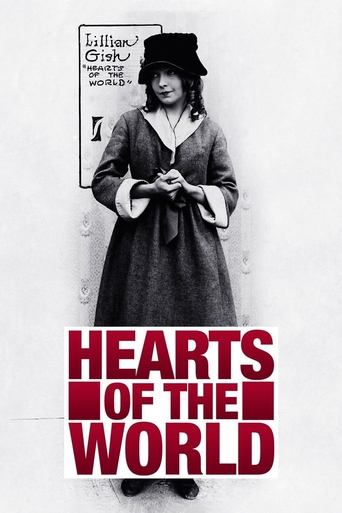
American actor who worked during the silent film era, with a brief but notable career spanning from 1913 to 1918. Her filmography, though limited, includes appearances in two significant productions from the early days of cinema. She began her career with 'The Switchtower' in 1913, a short film during the formative years of American cinema. Her most prominent role came in 1918 with D.W. Griffith's war drama 'Hearts of the World,' a major production that aimed to influence American sentiment toward World War I. Like many actors of her era, Emmons' career was relatively brief, coinciding with the transitional period of American film before the industry fully matured. Her work represents the contributions of the countless supporting players who helped build the foundation of early Hollywood cinema.
The Craft
On Screen
Typical of the silent era, Marion Emmons would have employed exaggerated gestures and facial expressions to convey emotion, as was standard practice before the advent of synchronized sound. Her performances would have relied heavily on physical acting techniques common in early 20th century theater and film.
Milestones
- Appeared in D.W. Griffith's 'Hearts of the World' (1918)
- Early silent film actor during cinema's formative years
- Participated in wartime propaganda cinema
Best Known For
Must-See Films
Working Relationships
Worked Often With
Why They Matter
Impact on Culture
Marion Emmons represents the countless unsung contributors to early American cinema who helped establish the foundation of the film industry. Though her career was brief and her roles supporting, her participation in significant productions like 'Hearts of the World' places her within the historical context of cinema's development. Her work exemplifies the collaborative nature of early filmmaking, where even minor performers contributed to the cultural and artistic impact of motion pictures during their emergence as a dominant art form.
Lasting Legacy
Marion Emmons' legacy survives primarily through film historical records and archives that document the cast lists of early silent productions. While she did not achieve lasting fame, her contribution to films like 'Hearts of the World' ensures her place in the comprehensive history of American cinema. She represents the thousands of early film actors whose collective efforts helped shape the emerging art form, even if individual recognition was limited.
Who They Inspired
As a supporting actor during the silent era, Marion Emmons would have been influenced by the theatrical acting styles of the time and likely contributed to the development of film acting techniques. Her work under directors like D.W. Griffith would have exposed her to innovative filmmaking methods that were defining the language of cinema during its formative years.
Off Screen
Very little is documented about Marion Emmons' personal life, which was common for supporting actors of the silent era who did not achieve major stardom. Like many of her contemporaries, her life story has largely been lost to time, with only her film credits surviving as evidence of her contribution to early cinema.
Did You Know?
- Appeared in 'Hearts of the World,' which was commissioned by the British government to encourage American entry into WWI
- Her active years covered only five years during the pivotal early period of American cinema
- Worked during the transition from short films to feature-length productions
- Participated in the propaganda film movement of WWI
- Her filmography represents the typical scope of many supporting actors of the silent era
Frequently Asked Questions
Who was Marion Emmons?
American with credits in this catalog. She appeared in early films including 'The Switchtower' (1913) and had a role in D.W. Griffith's significant war drama 'Hearts of the World' (1918).
What films is Marion Emmons best known for?
Titles linked here include Hearts of the World (1918), The Switchtower (1913).
When was Marion Emmons born and when did she die?
Specific birth and death dates for Marion Emmons are not documented in available historical records, which is common for supporting actors from the silent era who did not achieve major stardom.
What awards did Marion Emmons win?
There are no recorded awards or honors for Marion Emmons, which was typical for many supporting actors of her era during the early days of American cinema before major award systems were established.
What was Marion Emmons' acting style?
Marion Emmons would have employed the typical acting style of the silent era, characterized by exaggerated gestures and facial expressions to convey emotion to audiences without synchronized sound. Her performances would have drawn from theatrical traditions common in early 20th century film.