Margaret Landis
Actor
Born: August 31, 1890 in Nashville, Tennessee, USA Died: April 8, 1981 Active: 1915-1928
Films
1 film
About Margaret Landis
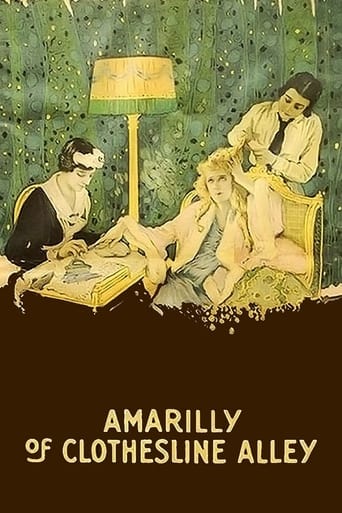
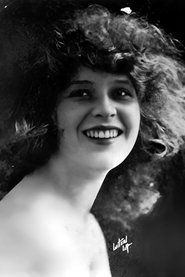
American actress who worked during the silent film era, primarily in the 1910s. Born in Nashville, Tennessee, she began her film career around 1915 and appeared in numerous silent productions throughout the decade. Her most notable appearance was in the 1918 Mary Pickford film 'Amarilly of Clothes-Line Alley,' where she played a supporting role. Landis worked primarily with Universal Studios and appeared in both feature films and short subjects. She was part of the generation of actresses who transitioned from stage to film during the early cinema boom. Like many silent era performers, her career declined with the advent of sound films in the late 1920s. She retired from acting by the early 1930s and lived a relatively private life thereafter.
The Craft
On Screen
As a silent era actress, Landis employed the exaggerated gestures and facial expressions typical of the period, using pantomime and body language to convey emotions to audiences without the benefit of dialogue. Her style was representative of the theatrical approach common in early cinema, where actors often brought stage techniques to film performances.
Milestones
- Appeared in Mary Pickford's 'Amarilly of Clothes-Line Alley' (1918)
- Contract player at Universal Studios during the silent era
- Transitioned from stage to film during early cinema boom
- Appeared in over 30 silent films throughout her career
Best Known For
Iconic Roles
Must-See Films
Working Relationships
Worked Often With
Studios
Why They Matter
Impact on Culture
Margaret Landis represents the many working actresses of the silent era who contributed to the foundation of American cinema but whose names are largely forgotten today. Her participation in films with major stars like Mary Pickford places her within the important transitional period when cinema was establishing itself as a legitimate art form and entertainment medium. She exemplifies the journey of countless performers who helped build Hollywood during its formative years.
Lasting Legacy
While Margaret Landis is not widely remembered today, her film work survives as part of the historical record of American silent cinema. Her appearances in films with major stars of the era contribute to our understanding of the supporting cast system in early Hollywood. Her career trajectory - from active performer to retirement with the coming of sound - mirrors the experience of many silent era actors who couldn't or chose not to transition to talkies.
Who They Inspired
As a supporting actress rather than a star, Landis's direct influence on subsequent generations of performers is difficult to trace. However, like all actors of her generation, she contributed to the development of film acting techniques that would evolve and be refined by later performers. Her work in ensemble casts helped establish the importance of supporting characters in narrative film structure.
Off Screen
Margaret Landis was the sister of fellow actress Frances Landis. She married and had a family after retiring from the film industry. Unlike many Hollywood figures of her era, she maintained a relatively low public profile after her acting career ended. She lived to be 90 years old, passing away in California in 1981.
Education
Limited information available; likely received standard education of the period and possibly dramatic training for stage work
Family
- Bertram G. Miles (1920s-1981)
Did You Know?
- Born in Nashville, Tennessee, a city not typically associated with early Hollywood actors
- Her sister Frances Landis was also an actress and screenwriter
- Appeared in films during the peak years of World War I
- Worked during the transition from short films to feature-length productions
- Her active years covered the period when Hollywood was establishing itself as the center of American film production
- Survived the transition from silent films to talkies by retiring rather than attempting to adapt
- Lived to see the revival of interest in silent films in the 1970s
- Her film 'Amarilly of Clothes-Line Alley' survives and is available for viewing by film historians
- Was part of the large pool of contract players that studios relied upon during the silent era
- Her career demonstrates the typical trajectory of many working actresses of the period who were never top-billed stars
In Their Own Words
No documented famous quotes from Margaret Landis are available in historical records
Frequently Asked Questions
Who was Margaret Landis?
American actress who worked during the silent film era, primarily in the 1910s. She appeared in numerous silent films and is best known for her role in the 1918 Mary Pickford film 'Amarilly of Clothes-Line Alley.'
What films is Margaret Landis best known for?
Titles linked here include Amarilly of Clothes-Line Alley (1918), The Girl of My Dreams (1918).
When was Margaret Landis born and when did she die?
Born August 31, 1890; died April 8, 1981.
What awards did Margaret Landis win?
There are no recorded awards or nominations for Margaret Landis, which was common for many supporting actors of the silent era when formal award systems were not yet established.
What was Margaret Landis's acting style?
Margaret Landis employed the typical silent era acting style featuring exaggerated gestures and facial expressions to convey emotions without dialogue. Her technique reflected the theatrical approach common in early cinema before the development of more naturalistic film acting methods.
Why did Margaret Landis's career end?
Like many silent era actors, Margaret Landis's career ended with the advent of sound films in the late 1920s. She chose to retire rather than attempt to transition to talkies, a common decision for actors whose voices or acting styles were not suited to sound cinema.