Films
2 films
About William Scott
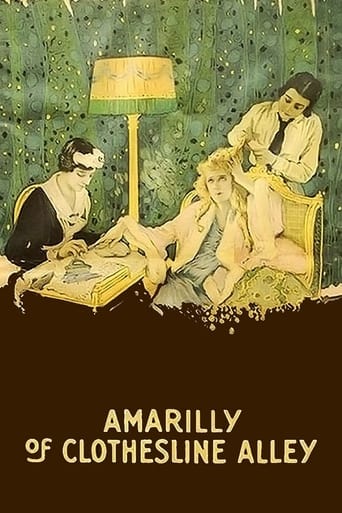
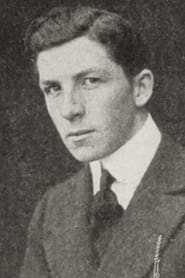
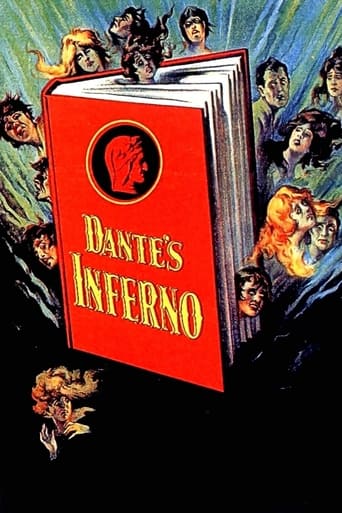
American actor who worked primarily during the silent film era, appearing in notable productions between 1918 and 1924. His career, though relatively brief, placed him in several significant films of the period. William appears in Mary Pickford's popular comedy-drama 'Amarilly of Clothes-Line Alley' in 1918, which was one of the biggest hits of that year. Later in his career, he was cast in the ambitious 1924 production 'Dante's Inferno,' a film known for its elaborate special effects and controversial content for the time. Scott typically played supporting roles, often as character actors who provided depth to the main narratives. His filmography, while not extensive, demonstrates his involvement in some of the more ambitious and successful productions of the silent era. Like many actors of his generation, his career appears to have ended with the transition to sound films in the late 1920s.
The Craft
On Screen
As a silent era character actor, William Scott likely employed the exaggerated physical expressions and gestures typical of the period, using facial expressions and body language to convey emotion and character to audiences without dialogue.
Milestones
- Appeared in Mary Pickford's 'Amarilly of Clothes-Line Alley' (1918)
- Cast in the ambitious special effects spectacle 'Dante's Inferno' (1924)
- Worked during the peak of silent cinema era
Best Known For
Must-See Films
Why They Matter
Impact on Culture
William Scott's contribution to cinema, while not widely documented, represents the work of the countless character actors who formed the backbone of silent film productions. His appearance in major films like 'Amarilly of Clothes-Line Alley' and 'Dante's Inferno' places him within the context of important cinematic milestones of the 1910s and 1920s. These films were significant in their time - the former being a major Mary Pickford vehicle that showcased the star's appeal, and the latter being an ambitious attempt to bring literary classic to the screen with groundbreaking special effects. Scott's participation in these productions, even in supporting roles, contributed to their overall success and artistic achievement.
Lasting Legacy
William Scott's legacy is primarily preserved through his surviving film appearances in notable silent era productions. While he may not have achieved the lasting fame of leading stars like Mary Pickford, his work in these films contributes to our understanding of the ensemble nature of silent cinema production. His performances, along with those of countless other supporting actors from the period, help modern audiences appreciate the collaborative art form that early cinema represented.
Who They Inspired
As a supporting actor from the silent era, William Scott's direct influence on subsequent generations of performers is difficult to trace. However, actors like him helped establish the importance of strong supporting performances in film, a tradition that continues to be valued in cinema today.
Off Screen
Very little is documented about William Scott's personal life, which is common for many supporting actors from the silent era whose lives were not extensively recorded in contemporary press or historical archives.
Did You Know?
- Appeared in 'Amarilly of Clothes-Line Alley' starring Mary Pickford, one of the biggest stars of the silent era
- Worked in 'Dante's Inferno' (1924), which was notable for its time for its special effects depicting hell
- His active years covered the latter half of the 1910s into the early 1920s, the peak of silent cinema
- Like many silent era actors, his career appears to have ended with the transition to sound films
- Supporting actors like Scott were essential to the success of major productions but often remain underdocumented in film history
Frequently Asked Questions
Who was William Scott?
American with credits in this catalog. He was a character actor who appeared in supporting roles during the peak years of silent cinema.
What films is William Scott best known for?
Titles linked here include Amarilly of Clothes-Line Alley (1918), Dante's Inferno (1924).
When was William Scott active in films?
William Scott was active in films from 1918 to 1924, working during the height of the silent era. His career appears to have ended around the time of the transition to sound films in the late 1920s.
What type of roles did William Scott typically play?
William Scott typically played supporting roles as a character actor, contributing to ensemble casts in major productions. Like many actors of his era, he used physical expression and gestures to convey emotion in silent films.
Why is information about William Scott limited?
Information about William Scott is limited because he was a supporting actor during the silent era, and many character actors from this period were not extensively documented in contemporary press or historical archives. This is common for actors who weren't major stars.