


A Burlesque on Carmen
"gypsy seductress is sent to sway a goofy officer to"
Keys: Space play/pause · ←/→ 10s · F fullscreen · M mute · </> speed
About this film
A gypsy seductress is sent to sway a goofy officer to allow a smuggling run.
Cast & crew
More films like this

More Comedy films
View all →







More from Charlie Chaplin
View all →


More about this film
About the production
Release dateDecember 18, 1915
Box officeThe picture was commercially successful, though exact figures are not documented. It was one of Chaplin's most popular Essanay releases and helped establish his international stardom.
ProductionEssanay Film Manufacturing Company
Filmed inEssanay Studios, Niles, California
This was Chaplin's final film for Essanay before moving to Mutual. The production was rushed as Chaplin was eager to complete his contract. Chaplin reportedly faced creative conflicts with Essanay executives who wanted more conventional comedies rather than his artistic parodies. The picture was shot in late 1915 during a period of intense creativity for Chaplin, who was simultaneously developing his more sophisticated comedic style. The Spanish setting was created entirely on studio backlots with minimal sets, typical of the era's production constraints.
Themes
Parody and satire of high cultureThe absurdity of romantic jealousyClass differences and social satireThe transformation of tragedy into comedyCultural appropriation and adaptation
Themes & topics
parodyopera adaptationslapstick comedyromancesmugglingSpanish settingmilitarygypsyjealousyseductionburlesquecomedy of errors
Historical background
A Burlesque on Carmen (1915) reached audiences through Essanay Film Manufacturing Company in United States, when exhibitors still built programs from varied shorts and features rather than single-block bookings.
Why this film matters
Programmers and historians revisit A Burlesque on Carmen (1915) because its story—a gypsy seductress is sent to sway a goofy officer to allow a smuggling run—illustrates popular narrative habits and production norms of the period.
Making of
The making of 'A Burlesque on Carmen' was marked by tension between Chaplin's artistic vision and Essanay's commercial expectations. Chaplin, then at the height of his creative powers, wanted to push the boundaries of comedy by parodying high art, while the studio preferred his more straightforward slapstick routines. the picture was shot quickly at Essanay's Niles, California studio, with Chaplin working feverishly to fulfill his contract obligations. Edna Purviance, who had been discovered by Chaplin just months earlier, was still developing her screen presence but showed remarkable chemistry with him. The production team created the Spanish setting using minimal props and backdrops, relying on Chaplin's performance to sell the illusion. After Chaplin left Essanay, the studio, sensing the commercial potential, re-edited and expanded the picture without his consent, creating a version that Chaplin publicly disavowed. This unauthorized version changed the ending from comedy to tragedy, completely undermining Chaplin's original artistic intent.
What critics said
English-language trade reviews of A Burlesque on Carmen are limited for 1915. Where notices survive, they stress pacing and photographic clarity; later criticism values the title as archival evidence of studio style.
Did you know?
- This was Charlie Chaplin's last film made for the Essanay Film Manufacturing Company before his lucrative move to Mutual Corporation for $670,000 annually
- the picture is a parody of Georges Bizet's opera 'Carmen,' which was based on Prosper Mérimée's 1845 novella
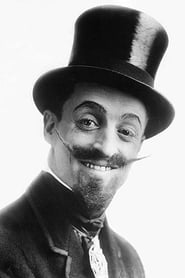
- Chaplin plays Darn Hosiery, a comedic version of Don José from the original opera
- the picture was controversial among opera purists who felt Chaplin was mocking a respected art form
- Essanay later released an expanded version called 'Carmen' without Chaplin's approval, adding new scenes and changing the ending to be more tragic
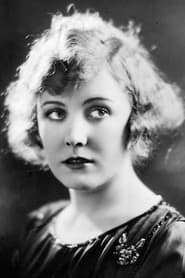
- Edna Purviance, who plays Carmen, was Chaplin's leading lady in over 30 films and his off-screen romantic partner during this period
- the picture's title 'Burlesque' was carefully chosen to distinguish it from serious adaptations and emphasize its comedic nature
- Jack Henderson, who plays Escamillo, was a former vaudeville performer who specialized in comic supporting roles
- the picture was shot during World War I, which limited European distribution but increased its popularity in America as audiences sought escapist entertainment
- Chaplin's costume as Darn Hosiery exaggerated the traditional Spanish military uniform for maximum comedic effect
Visual style
The cinematography by Roland Totheroh and Harry Ensign was typical of 1915 studio filmmaking, featuring static camera positions and medium shots that captured Chaplin's full physical performance. The lighting was flat and even, necessary for the orthochromatic film stock of the era. The camera work prioritized clarity over artistry, ensuring that every gag and facial expression was visible to the audience. The Spanish setting was suggested through minimal set dressing rather than elaborate production design, relying on the actors' performances to create the illusion of place. The cinematography effectively served the comedy by maintaining clear sight lines and allowing Chaplin's physical humor to take center stage.
Innovations
While not technically innovative compared to other 1915 films, A Burlesque on Carmen demonstrated Chaplin's mastery of film language and comedic timing. the picture used editing effectively to enhance physical gags, with carefully timed cuts that maximized comic impact. Chaplin's use of depth in staging allowed for more complex physical comedy than typical two-dimensional staging of the era. the picture also showed sophisticated understanding of narrative pacing, balancing setup, development, and payoff across its two reels. The success of the parody demonstrated that complex cultural references could work in mass entertainment, expanding the possibilities of film comedy beyond simple slapstick.
Music
As a silent film, A Burlesque on Carmen had no synchronized soundtrack but would have been accompanied by live musical performance in theaters. Most theaters used compiled scores featuring popular classical pieces, including selections from Bizet's original Carmen opera, which created an ironic counterpoint to the parody on screen. Some larger theaters commissioned original scores that incorporated Spanish musical themes to enhance the setting. The music typically included familiar melodies that audiences would recognize, adding another layer to the parody. Chaplin himself later composed original scores for his earlier films when sound was introduced, but no original composition exists for this 1915 version.
Famous quotes
(As a silent film, dialogue was conveyed through intertitles and physical performance rather than spoken quotes)
Memorable scenes
- The opening scene where Chaplin as Darn Hosierey clumsily attempts to maintain military discipline while being completely inept at his duties
- The seduction scene where Carmen attempts to charm the officer, resulting in Chaplin's trademark physical comedy as he becomes increasingly flustered
- The tavern scene where Chaplin's drunken antics escalate into full-blown slapstick chaos
- The final confrontation scene where the tragic opera ending is transformed into pure comedy through Chaplin's physical performance
What audiences thought
the picture was enormously popular with audiences, both in America and internationally where it could be shown during wartime. Chaplin's physical comedy transcended language barriers, making the picture accessible to diverse audiences. Theater owners reported packed houses and strong repeat business, particularly from working-class audiences who enjoyed seeing high culture mocked. the picture's success cemented Chaplin's status as the world's biggest movie star, with his face becoming instantly recognizable globally. Audience response was so positive that it inspired numerous imitations and parodies from other studios trying to capture Chaplin's magic. The unauthorized Essanay re-release also performed well commercially, though many Chaplin purists rejected it as inferior to the original version.
Film connections
Influenced by
- Georges Bizet's opera 'Carmen'
- Prosper Mérimée's novella 'Carmen'
- French theatrical burlesque traditions
- American vaudeville comedy
- Music hall entertainment
- Commedia dell'arte character archetypes
This film influenced
- Numerous film parodies of the 1920s and 1930s
- Marx Brothers' 'A Night at the Opera' (1935)
- The Three Stooges' parody shorts
- Mel Brooks' later cultural parodies
- Monty Python's television and film sketches
Film restoration
the picture survives in reasonably good condition and has been preserved by several film archives, including the Library of Congress and the British Film Institute. Both Chaplin's original version and Essanay's expanded re-release exist, allowing for comparison. the picture has been restored and is available on various DVD and Blu-ray collections of Chaplin's work. Some deterioration is visible in existing prints, typical of films from this period, but the essential content remains intact and viewable.
Where to watch
- The Criterion Collection DVD/Blu-ray releases of Chaplin's Essanay films
- Kino Lorber's Chaplin collections
- The Internet Archive (public domain versions)
- Various streaming services specializing in classic cinema
- Film museum screenings and retrospectives
- Educational film archives and libraries