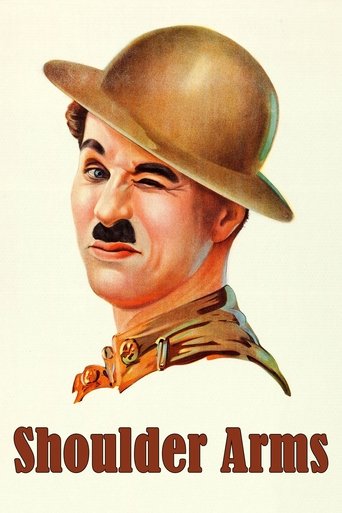
Films
1 film
About W.J. Allen
American actor who worked briefly during the silent film era, with his only known screen appearance being in Charlie Chaplin's 1918 comedy 'Shoulder Arms.' As was common with many supporting actors of the silent period, detailed biographical information about Allen is scarce, suggesting he may have been a bit player or extra rather than a featured performer. His appearance in a Chaplin film, productions of 1918, indicates he was part of Chaplin's regular troupe or was hired for this specific production. The film itself was a critical and commercial success, being Chaplin's first feature-length comedy and his highest-grossing film up to that point. Allen's career appears to have been extremely brief, spanning only the year 1918, which was not uncommon for many actors in early Hollywood who either left the industry or moved to other work after brief stints in film.
The Craft
Milestones
- Appeared in Charlie Chaplin's 'Shoulder Arms' (1918)
Best Known For
Must-See Films
Working Relationships
Worked Often With
Studios
Why They Matter
Impact on Culture
W.J. Allen's cultural impact was minimal due to his extremely brief film career, limited to a single appearance in one of Charlie Chaplin's most significant early works. While 'Shoulder Arms' itself was an important film that helped establish the feature-length comedy format and was notable for its wartime themes, Allen's individual contribution to cinema history remains undocumented. His participation in a Chaplin production places him within the context of early Hollywood's studio system, where many actors worked anonymously in supporting roles that contributed to the success of major films without achieving personal recognition.
Lasting Legacy
W.J. Allen's legacy is primarily that of being credited as a participant in one of Charlie Chaplin's most important early films. Like many actors from the silent era who appeared in only one or two productions, his contribution to film history exists mainly through his name appearing in the cast list of 'Shoulder Arms.' The film itself continues to be studied and appreciated by film historians and Chaplin enthusiasts, ensuring that Allen's name, if not his performances, remains part of the historical record of early American cinema.
Who They Inspired
Given the brevity of W.J. Allen's career and the lack of documentation about his specific role or performances, there is no evidence of him having influenced other actors or directors. His influence is limited to his participation in a historically significant film that itself influenced the development of cinematic comedy and the feature film format.
Off Screen
Very little is known about W.J. Allen's personal life, which is typical of many bit players from the silent era whose biographical details were not extensively documented in film industry records of the time.
Did You Know?
- Appeared in Charlie Chaplin's first feature-length comedy film
- 'Shoulder Arms' was the highest-grossing film of 1918
- The film was partially shot on location at Fort Ord, California
- Chaplin played multiple roles in the film, including both the protagonist and his brother
- The film was a critical success despite being made during World War I
- Many of the supporting actors in Chaplin's films were part of his regular stock company
- Silent era actors like Allen often worked anonymously with little documentation of their careers
Frequently Asked Questions
Who was W.J. Allen?
Screen credits include only one known film, Charlie Chaplin's 'Shoulder Arms' in 1918. Very little biographical information exists about him, suggesting he was likely a bit player or extra rather than a featured performer.
What films is W.J. Allen best known for?
Titles linked here include Shoulder Arms (1918).
When was W.J. Allen born and when did he die?
The birth and death dates of W.J. Allen are not documented in available film industry records, which is common for many supporting actors from the silent era whose biographical details were not preserved.
What awards did W.J. Allen win?
There are no records of W.J. Allen receiving any major awards or nominations, which is typical for actors with such brief careers and minor roles in early cinema.
What was W.J. Allen's acting style?
Due to the lack of documentation about his specific role or performances, W.J. Allen's acting style cannot be determined. As a bit player in a silent comedy, he would have worked within the physical comedy style typical of Chaplin's films.
Why is so little known about W.J. Allen?
The scarcity of information about W.J. Allen is typical of many supporting actors from the silent era, where comprehensive biographical records were not maintained for bit players and extras. Only major stars had detailed documentation of their lives and careers.
What was the significance of 'Shoulder Arms'?
'Shoulder Arms' was historically significant as Charlie Chaplin's first feature-length comedy and his highest-grossing film up to that point. It was notable for its wartime themes and helped establish the feature-length comedy format in American cinema.