Wished on Mabel
"Park romance ends with a mother's robbery"
Keys: Space play/pause · ←/→ 10s · F fullscreen · M mute · </> speed
About this film
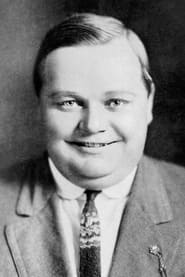
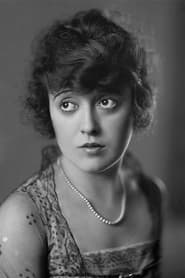
Mabel and her mother visit the park. She sees her boyfriend, Roscoe, and asks him to join them. After the lovers manage slip away by themselves, Mabel’s mother is subsequently robbed.
Cast & crew
More films like this
More Comedy films
View all →







More from Roscoe 'Fatty' Arbuckle
View all →
More about this film
About the production
Release dateApril 19, 1915
ProductionKeystone Studios, Mack Sennett Comedies
Filmed inLos Angeles, California, Keystone Studio backlot
This film was part of the prolific output of Keystone Studios during their peak years of comedy production. Like many shorts of this era, it was likely filmed quickly in just a few days to meet the demanding release schedule of the studio. The park setting was either filmed on location at a public park in Los Angeles or more likely on Keystone's backlot where they had constructed various outdoor sets to simulate public spaces. The film represents the collaborative relationship between Arbuckle and Normand, who frequently worked together both on screen and behind the scenes during this period.
Themes
Romance and courtshipParental supervision vs. youthful independenceComedy arising from misfortunePublic space as setting for social interactionGender dynamics in relationships
Themes & topics
Historical background
Made during the studio era of 1915, Wished on Mabel reached audiences through theatrical programs, fairground booths, or specialized distribution channels typical of its generation. Mabel and her mother visit the park. She sees her boyfriend, Roscoe, and asks him to join them. After the lovers manage. Historians now read such works for what they reveal about production methods, national taste, and the expanding vocabulary of screen narrative.
Why this film matters
Archivists and programmers still screen Wished on Mabel when tracing how popular entertainment evolved. Its subject—mabel and her mother visit the park. she sees her boyfriend, roscoe, and asks him to join them.—gives later viewers tangible evidence of what drew crowds in the silent period. Home video, restorations, and festival sidebars keep the title circulating among students of film history.
Making of
The production of 'Wished on Mabel' took place during a particularly creative and productive period at Keystone Studios. Roscoe Arbuckle, who directed as well as starred, was developing his distinctive style of physical comedy that combined his large frame with surprising agility. Mabel Normand, one of the few women with significant creative power in early Hollywood, likely contributed to the film's development beyond just her acting performance. The park setting would have been carefully chosen or constructed to maximize opportunities for slapstick comedy while maintaining the romantic elements of the story. Like all Keystone productions of this era, the film would have been shot quickly with minimal takes, relying on the performers' improvisational skills and established comic timing. The collaboration between Arbuckle and Normand was particularly fruitful, as they understood each other's comic sensibilities from working together on numerous previous projects.
What critics said
Original trade coverage treated Wished on Mabel as routine program filler rather than a landmark production—common for shorts. Later criticism emphasizes preservation, stylistic comparison with contemporaries, and whatever cast or crew names later gained prominence. Contemporary writing is mostly historical: assessing completeness, influence, and place in a director's or studio's catalog.
Did you know?
- This film was released during the peak of the popularity of both Roscoe Arbuckle and Mabel Normand, who were two of the biggest comedy stars of the mid-1910s.
- The film was part of Keystone Studios' massive 1915 output, which saw the studio producing hundreds of short comedy films.
- Mabel Normand was not just the star but also had some creative control over her films during this period, unusual for women in the film industry at the time.
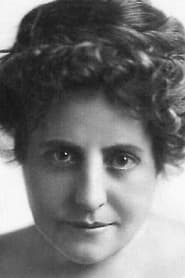
- Alice Davenport, who plays Mabel's mother, was a prolific character actress who appeared in over 300 films between 1911 and 1935.
- The film's title 'Wished on Mabel' plays on the common phrase 'wished on' and the star's name, a typical pun approach to titling comedy shorts of the era.
- This was one of many collaborations between Arbuckle and Normand, who had excellent on-screen chemistry and were frequent co-stars.
- The park setting was a common location for comedy shorts of this era, allowing for physical comedy and interaction with various characters.
- Like most films of 1915, this was a silent film with intertitles for dialogue and narrative exposition.
- The film was likely shot on 35mm film, which was the standard for professional film production during this period.
- Keystone Studios was known for their fast production schedule, often completing a short comedy in just 2-3 days from start to finish.
Visual style
The cinematography of 'Wished on Mabel' would have been characteristic of Keystone Studios' efficient style during this period. The camera would have been relatively static by modern standards, positioned to capture the full range of physical comedy without excessive movement that might distract from the performers. The park setting would have been filmed in natural light when possible, typical of the outdoor scenes in many Keystone productions. The film would have been shot in black and white on 35mm film, with the cinematographer focusing on ensuring that the actors' expressions and movements were clearly visible to the audience. The framing would have been relatively wide to accommodate the physical comedy, with closer shots reserved for emotional moments or important reactions. The visual style prioritized clarity and functionality over artistic experimentation, reflecting the industrial approach to filmmaking at Keystone Studios.
Innovations
While 'Wished on Mabel' does not represent major technical innovations in cinema, it demonstrates the refinement of established filmmaking techniques by 1915. The film would have utilized the continuity editing system that was becoming standardized in American cinema, ensuring smooth narrative flow between scenes. The physical comedy required precise timing and coordination between performers and camera, demonstrating the growing sophistication of comedic filmmaking. The park setting may have involved location shooting, which presented technical challenges in terms of lighting and equipment transport that studios were increasingly solving during this period. The film's brief runtime reflects the industry's understanding of audience attention spans and the optimal length for comedy shorts. The preservation of the film itself represents a technical achievement, as many films from this era have been lost due to the unstable nature of early film stock and lack of systematic preservation efforts.
Music
As a silent film, 'Wished on Mabel' would have been accompanied by live musical performance during its theatrical run. The specific musical accompaniment would have varied by theater size and resources, ranging from a single piano player in smaller venues to a small orchestra in larger movie palaces. The music would have been selected from existing classical pieces, popular songs, and specially composed cue sheets that were distributed to theaters to suggest appropriate music for different scenes. Comedic moments would have been accompanied by lively, upbeat music, while the romantic scenes would have featured more melodic, sentimental pieces. The robbery sequence would have called for more dramatic or suspenseful music to heighten the tension. The musical accompaniment was crucial to the silent film experience, providing emotional context and helping to guide audience reactions to the on-screen action.
Famous quotes
As a silent film, 'Wished on Mabel' contained no spoken dialogue, but would have featured intertitle cards such as: 'Oh Mother, there's Fatty!' and 'While the lovers are away... the thief will play!'
Memorable scenes
- The opening sequence where Mabel spots Roscoe in the park and enthusiastically waves him over, establishing their romantic relationship and her eagerness to include him in their outing. The clever sequence where the lovers manage to slip away from the mother's supervision, utilizing physical comedy and misdirection typical of the Keystone style. The robbery scene where the mother, left alone and vulnerable, becomes the victim of theft, creating the central conflict that drives the second half of the film. The discovery sequence where the couple returns to find what has happened, likely featuring exaggerated reactions and frantic attempts to deal with the situation.
What audiences thought
Audiences in 1915 generally received films like 'Wished on Mabel' enthusiastically, as the combination of Arbuckle's physical comedy and Normand's charm was a proven formula for success. The film would have played in theaters as part of a varied program that might include newsreels, other short comedies, and possibly a feature film. Moviegoers of the era particularly enjoyed the park setting, which provided relatable situations and opportunities for the kind of visual humor that worked well in silent format. The romantic elements would have appealed to the growing number of young people attending movies as a social activity. The robbery subplot added an element of danger and excitement that balanced the comedy and romance, creating a well-rounded entertainment experience. Audience reactions were typically immediate and vocal in theaters of this period, with laughter and applause providing immediate feedback to the effectiveness of the comedy.
Film connections
Influenced by
- French and Italian comedies of the early 1910s
- Vaudeville and stage comedy traditions
- Mack Sennett's Keystone comedy formula
- Previous Arbuckle-Normand collaborations
- Chaplin's early work at Keystone
This film influenced
- Later Arbuckle-Normand collaborations
- Other Keystone Studios comedies
- Romantic comedy shorts of the late 1910s
- Early films by comedians who learned from Keystone style
Film restoration
The preservation status of 'Wished on Mabel' (1915) is somewhat unclear, which is unfortunately common for films of this era. Many Keystone Studios shorts have been lost due to the unstable nature of early nitrate film stock and lack of systematic preservation efforts. However, some Arbuckle-Normand collaborations from this period have survived in archives or private collections. The film may exist in incomplete form or only as fragments. The Library of Congress, the Museum of Modern Art, and other major film archives would be the most likely repositories for any surviving copies. Restoration efforts for surviving silent films continue to this day, so previously thought lost films occasionally reappear. Anyone interested in viewing this specific film should check with major film archives or specialized silent film collections.
Where to watch
- Due to the age and potential preservation status of 'Wished on Mabel,' viewing options are likely limited. The film may be available through specialized silent film archives, film society screenings, or as part of comprehensive collections of Arbuckle or Normand's work. Some possibilities include: The Library of Congress's motion picture collection (if preserved), The Museum of Modern Art's film archive, Silent film streaming services specializing in restored classics, DVD collections focusing on Keystone Studios or early comedy, University film studies departments with extensive archives, and Specialized silent film festivals that occasionally program rare shorts. Viewers interested in this film should also check with the UCLA Film & Television Archive and the George Eastman Museum, which maintain extensive collections of early American cinema.