That Little Band Of Gold
"Young couple become engaged and"
Keys: Space play/pause · ←/→ 10s · F fullscreen · M mute · </> speed
About this film
A happy young couple become engaged, and soon afterwards they are married. But after their marriage, the husband begins to stay out carousing with his friends, leaving his wife at home with her mother. Then, when the three of them go to the opera together, the husband spots one of his friends in another box. Soon the domestic difficulties reach their peak.
Cast & crew
More films like this
More Comedy films
View all →







More from Roscoe 'Fatty' Arbuckle
View all →
More about this film
About the production
Release dateMarch 15, 1915
ProductionKeystone Film Company, Mack Sennett Comedies
Filmed inLos Angeles, California, Keystone Studios, Edendale, California
This film was produced during the peak of Keystone Studios' output, when they were releasing multiple short films per week. The production utilized the classic Keystone formula of fast-paced physical comedy and situational humor. The opera house scenes were likely filmed on studio sets rather than on location, as was common practice for the time. The film was shot in black and white on 35mm film stock typical of the era.
Themes
Marital fidelityDomestic lifeGender rolesSocial classUrban vs. Domestic values
Themes & topics
Historical background
Contemporary records classify That Little Band Of Gold (1915) as 1915 film by roscoe arbuckle, placing it within the silent era before feature-length dominance.
Why this film matters
That Little Band Of Gold (1915) helps trace genre evolution, performer careers, and the material conditions of silent exhibition.
Making of
The production of 'That Little Band of Gold' took place during Keystone Studios' most productive period, when Mack Sennett's factory-like approach to filmmaking was at its peak. The studio operated on an assembly-line system, often shooting multiple films simultaneously on their Edendale lot. Arbuckle, who had risen from being a Keystone player to a director-star, was given considerable creative freedom within the studio's formula. The film's domestic comedy theme was a popular genre at the time, as it allowed for both physical gags and relatable situations. The cast had developed strong chemistry from working together on numerous previous productions, which is evident in their timing and interactions. The opera scenes would have been carefully choreographed to maximize comedic effect while working within the technical limitations of the era's camera equipment and lighting. Like many Keystone productions, the film was likely shot in just a few days, with minimal rehearsal and an emphasis on spontaneous comedic moments.
What critics said
Trade and revival screenings have kept That Little Band Of Gold (1915) on the map for collectors and scholars rather than mass first-run promotion.
Did you know?
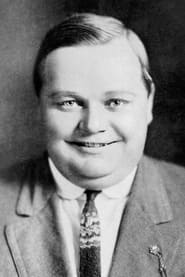
- This film was one of over 100 shorts that Roscoe 'Fatty' Arbuckle directed and/or starred in during his prolific Keystone period from 1913-1916.
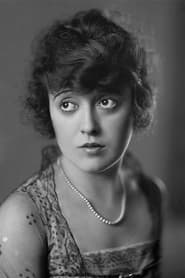
- Mabel Normand was one of the few women in early Hollywood who had significant creative control, often co-directing her films and having input on scripts.
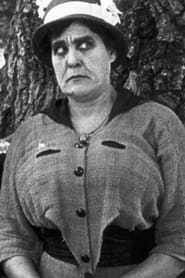
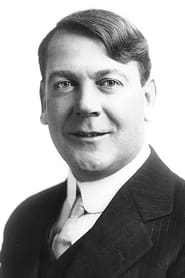
- Ford Sterling, who appears as one of the carousing friends, was a veteran Keystone comedian known for his exaggerated facial expressions and physical comedy.
- The opera scene was a common setting in early comedies because it provided a natural contrast between high culture and low-brow slapstick humor.
- The film's title refers to a popular song of the era, 'That Little Band of Gold,' which was about wedding rings and marital fidelity.
- Keystone Studios was famous for its 'crash, bang, wallop' style of comedy, and this film exemplifies their approach to domestic situational humor.
- The film was released just as World War I was escalating in Europe, though America had not yet entered the conflict.
- Silent films of this era typically had live musical accompaniment, often consisting of a pianist or small orchestra in the theater.
- The preservation status of this particular film is uncertain, as many Keystone shorts from this period have been lost or exist only in fragmentary form.
Visual style
The cinematography of 'That Little Band of Gold' reflects the standard practices of Keystone Studios in 1915. The film was shot in black and white using stationary cameras, with minimal camera movement as was typical of the era. The lighting was primarily natural light supplemented by arc lamps when shooting indoors. The opera scenes would have required more elaborate lighting setups to create the illusion of a theater interior. The visual composition follows the theatrical tradition of the time, with actors positioned to face the camera and important action centered in the frame. The cinematographer would have used multiple camera setups to capture the physical comedy from the most effective angles. The film stock used was likely the standard orthochromatic film of the period, which rendered blues as very dark but was sensitive to greens and yellows. The visual style prioritized clarity of action over artistic composition, ensuring that the physical gags and facial expressions were clearly visible to the audience.
Innovations
While 'That Little Band of Gold' was not particularly innovative technically, it did represent the refined production methods that Keystone had developed by 1915. The studio had perfected the art of rapid production without sacrificing quality, using efficient scheduling and experienced crews. The film demonstrates the effective use of cross-cutting between different locations to build comedic tension, a technique that was still relatively new in cinema. The opera scenes show some sophisticated set design for the period, creating the illusion of a grand theater space within the confines of a studio. The physical comedy sequences required precise timing and coordination between actors and camera, showing the level of technical expertise that had been developed in comedy filmmaking. The film also makes effective use of props and set pieces for comic effect, demonstrating the growing sophistication of production design in comedy. While not, the film represents the polished state of American comedy filmmaking in 1915, with all technical elements working together to serve the humor.
Music
As a silent film, 'That Little Band of Gold' would have been accompanied by live musical performance during its theatrical run. The typical accompaniment would have been a pianist in smaller theaters or a small orchestra in larger venues. The music would have been selected from cue sheets provided by the studio, which suggested appropriate musical pieces for different scenes. For the domestic scenes, gentle romantic melodies would have been used, while the carousing scenes would have featured more lively, ragtime-inspired music. The opera scenes would have been accompanied by classical pieces, often parodies of famous operatic themes. The title song, 'That Little Band of Gold,' might have been incorporated into the musical accompaniment, particularly during the wedding scenes. The tempo and style of the music would change to match the on-screen action, accelerating during chase sequences or moments of high comedy. The musical accompaniment was crucial to the silent film experience, providing emotional context and enhancing the comedic timing of the visual gags.
Famous quotes
As a silent film, there are no recorded dialogue quotes, but the intertitles included such lines as: 'After the wedding, things changed..' and 'A night at the opera proves too tempting for the wandering husband.'
Memorable scenes
- The opera scene where the husband spots his friend and attempts to sneak away, leading to a series of comedic mishaps as he tries to balance his wife's expectations with his desire to join his friends. This scene exemplifies the classic Keystone formula of contrasting high culture with low comedy, using the formal setting of the opera house as a backdrop for slapstick humor.
What audiences thought
Audiences in 1915 generally received 'That Little Band of Gold' enthusiastically, as domestic comedies were popular with theater-goers of the era. The film's relatable theme of marital discord and reconciliation resonated with working-class and middle-class audiences alike. Arbuckle's physical comedy and likable screen persona made him a favorite with moviegoers, and his pairing with Mabel Normand created box office magic. The opera scene, in particular, was noted in audience letters to film magazines as a highlight, with viewers enjoying the contrast between high culture settings and low-brow comedy. The film's short length (16 minutes) made it ideal for the typical program of the era, which usually featured multiple short films along with newsreels and other attractions. While not as memorable as some of Arbuckle's more elaborate productions, the film satisfied audiences' expectations for Keystone-style entertainment and contributed to his growing popularity as a comedy star.
Film connections
Influenced by
- French comedy of manners
- Music hall traditions
- Vaudeville comedy
- Earlier Keystone shorts
- Domestic melodramas
This film influenced
- Later Arbuckle comedies
- Mack Sennett domestic comedies
- Hal Roach's 'Our Gang' domestic episodes
- Early Laurel and Hardy shorts
Film restoration
The preservation status of 'That Little Band of Gold' is uncertain. Many Keystone films from this period have been lost due to the unstable nitrate film stock used in the era and the lack of systematic preservation efforts in the 1910s and 1920s. Some sources suggest that fragments or complete copies may exist in film archives such as the Library of Congress or the Museum of Modern Art, but this has not been definitively confirmed. The film's survival would depend on whether it was distributed internationally and preserved in archives, or if it survived in private collections. Given its historical importance as part of Arbuckle's directorial work, preservation efforts would be valuable if original elements still exist.
Where to watch
- Due to the film's age and uncertain preservation status, legitimate viewing options are limited. If preserved, it may be available through specialized film archives, museum screenings, or as part of comprehensive silent film collections. Some public domain film websites occasionally host Keystone shorts, though quality varies. Film societies specializing in silent cinema occasionally program rare Arbuckle works. The best chance of viewing would be through film archives or specialized silent film distributors that have restored Keystone productions.