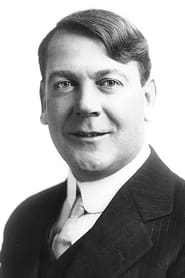
Charles Arling
Actor
Born: August 21, 1880 in Toronto, Ontario, Canada Died: April 6, 1922 Active: 1910-1922
Films
7 films

About Charles Arling
Canadian-American actor who rose to prominence during the silent film era, beginning his career with D.W. Griffith at the Biograph Studio. Born in Toronto, Ontario, he moved to the United States and became one of the reliable character actors of early cinema, often portraying authoritative figures such as fathers, judges, and military officers. Arling appeared in over 150 films between 1910 and 1922, working with some of the most important directors of the era including Griffith, Thomas H. Ince, and Allan Dwan. His the crucial transitional period of American cinema from short one-reelers to feature-length productions. In his later years, he appeared in notable films such as 'Back to God's Country' (1919), which was successful Canadian films of the silent era. Arling's career was cut short by his untimely death at age 41, just as the film industry was transitioning to sound. Despite his relatively short career, he left a significant mark on early American cinema through his consistent performances and work with filmmakers.
The Craft
On Screen
Arling was known for his naturalistic and understated acting style, which was somewhat ahead of its time in the silent era. He specialized in playing dignified, authoritative characters with a quiet strength and gravitas. Unlike many silent film actors who relied heavily on exaggerated gestures, Arling favored subtle facial expressions and restrained movements, bringing a sense of realism to his performances. His ability to convey complex emotions through minimal action made him particularly effective in dramatic roles.
Milestones
- Joined D.W. Griffith's Biograph Company in 1910
- Appeared in over 150 silent films
- Worked with directors including Griffith and Ince
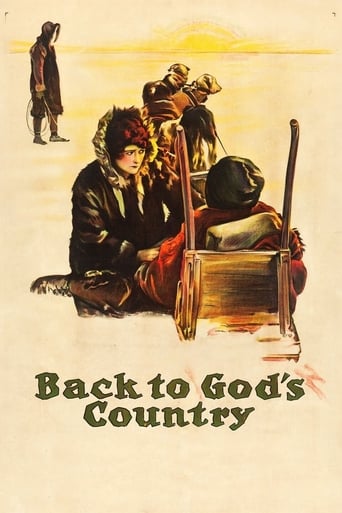
- Starred in the landmark Canadian film 'Back to God's Country' (1919)
- Transitioned successfully from short films to feature-length productions
Best Known For
Iconic Roles
Must-See Films
Accolades
Special Recognition
- Recognized as a significant contributor to early Canadian cinema
Working Relationships
Worked Often With
Studios
Why They Matter
Impact on Culture
Charles Arling contributed significantly to the development of narrative cinema during its formative years. As a regular player in D.W. Griffith's company, he participated in films that established many of the foundational techniques of cinematic storytelling. His work in Canadian cinema, particularly in 'Back to God's Country,' helped establish a national film identity during a period when Canadian productions were rare. Arling's naturalistic acting style influenced the move away from theatrical performances toward more realistic film acting that would become standard in later decades.
Lasting Legacy
Charles Arling's legacy lies in his substantial body of work during cinema's crucial early years. Though not a major star like some of his contemporaries, his consistent performances in over 150 films provide a valuable record of silent era acting techniques and storytelling methods. His appearances in landmark films such as 'The Birth of a Nation' and 'Intolerance' ensure his place in film history, while his contributions to Canadian cinema through 'Back to God's Country' make him an important figure in the development of national film industries. Arling represents the journeyman actor who was essential to building the foundation of modern cinema.
Who They Inspired
Arling influenced other actors through his naturalistic approach to silent film performance, demonstrating that subtlety and restraint could be more powerful than exaggerated gestures. His work with D.W. Griffith helped establish new standards for film acting that moved away from theatrical traditions. While he didn't mentor famous actors directly, his performances served as examples for the next generation of film actors who would work in the sound era.
Off Screen
Charles Arling was married and had children, though details about his family life remain relatively scarce in historical records. He emigrated from Canada to the United States to pursue his acting career, settling in the Los Angeles area where the film industry was rapidly developing. His death at age 41 was considered premature and cut short a promising career during the transition to sound films. He was buried in Los Angeles, California.
Education
Educational background not documented in available historical sources
Family
- Unknown (marriage dates not documented)
Did You Know?
- Appeared in both parts of D.W. Griffith's controversial epic 'Intolerance' (1916)
- Was one of the few Canadian actors to achieve significant success in early Hollywood
- His film active years covered the entire period from the dominance of short one-reel films to the rise of feature-length productions
- Died just before the full transition to sound cinema, missing the opportunity to appear in talkies
- Worked with both American and Canadian film production companies
- Often typecast as authority figures due to his dignified appearance and demeanor
- Was part of the stock company of actors that Griffith relied on for his most ambitious productions
- His death certificate listed his occupation as 'motion picture actor', reflecting the growing legitimacy of the film industry
- Appeared in films across multiple genres including westerns, dramas, and comedies
- His filmography includes many lost films, as was common for productions of the silent era
In Their Own Words
No documented quotes from Charles Arling are available in historical sources
Frequently Asked Questions
Who was Charles Arling?
Screen credits include over 150 films between 1910 and 1922. He was known for playing authoritative characters and worked extensively with director D.W. Griffith at Biograph Studio.
What films is Charles Arling best known for?
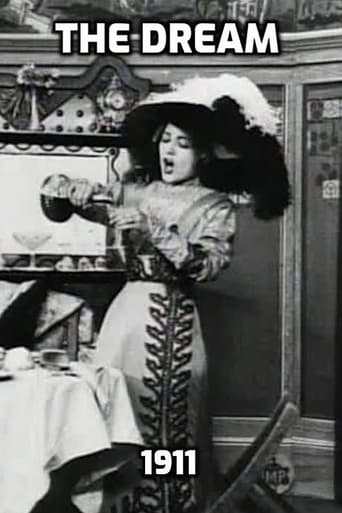
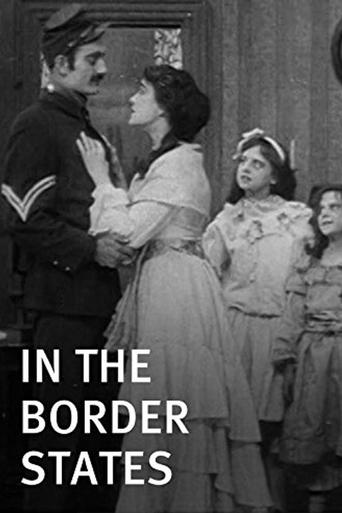
Titles linked here include In the Border States (1910), The Dream (1911).
When was Charles Arling born and when did he die?
Born August 21, 1880; died April 6, 1922.
What awards did Charles Arling win?
Charles Arling did not receive any major formal awards during his career, as the Academy Awards were not established until after his death in 1929. However, he is recognized as an important contributor to early cinema.
What was Charles Arling's acting style?
Arling was known for his naturalistic and understated acting style, favoring subtle expressions over the exaggerated gestures common in silent films. He specialized in portraying dignified, authoritative characters with quiet strength.
Did Charles Arling work in sound films?
No, Charles Arling's career was entirely in silent films. He died in 1922, several years before the transition to sound cinema began in the late 1920s.
How was Charles Arling connected to Canadian cinema?
Arling, though Canadian-born, made his most significant contribution to Canadian cinema by starring in 'Back to God's Country' (1919),.