

Now I'll Tell One
"Half a comedy recovered"
Keys: Space play/pause · ←/→ 10s · F fullscreen · M mute · </> speed
About this film
Charley Chase faces trial for shooting his wife in the recovered second reel of a presumed-lost comedy. Presumed lost for a long time, until the second reel of this movie showed up again in the '90s. So half of the movie can be seen. It's a fast paced slapstick comedy with also a good comical story about a man (Charley Chase) who is being prosecuted for shooting his w.
Cast & crew
More films like this
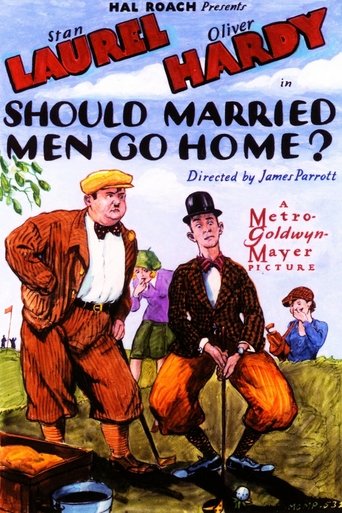
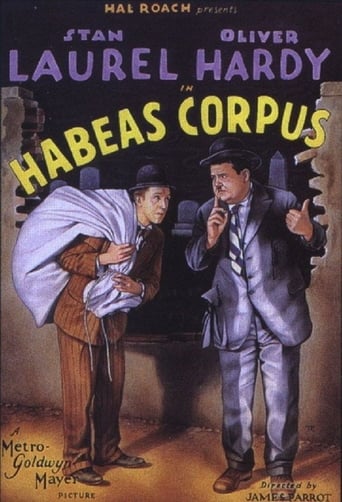
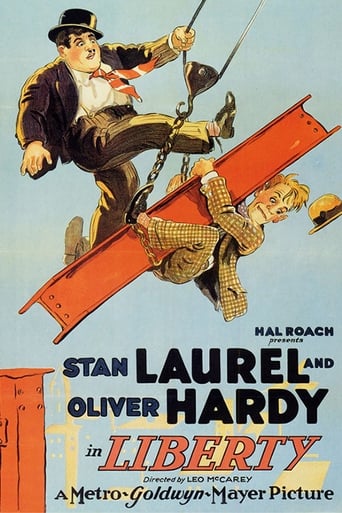
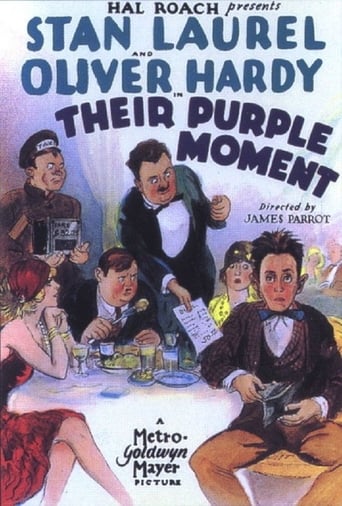
More Comedy films
View all →







More from James Parrott
View all →

More about this film
About the production
Release dateJune 4, 1927
Box officeUnknown (box office records for individual shorts from this period are not well documented)
ProductionHal Roach Studios
Filmed inHal Roach Studios, Culver City, California
This was one of many comedy shorts produced rapidly during the peak of silent comedy production at Hal Roach Studios. The film was shot on a tight schedule typical of studio shorts of the era, with principal photography likely completed in 2-3 days. The surviving second reel shows the technical proficiency of Roach's cinematography department, with well-composed shots and effective use of the limited set space.
Themes
Wrongful accusationCourtroom justiceDomestic conflictMisunderstandingTruth and deception
Themes & topics
Historical background
1927 placed Now I'll Tell One within United States cinema as Hal Roach Studios navigated wartime markets, immigration audiences, and the shift from intertitles to sound.
Why this film matters
Archivists revisit Now I'll Tell One (1927) for James Parrott style, genre norms at Hal Roach Studios, and the exhibition context of 20 minutes (original), 10 minutes (surviving footage) programming.
Making of
The production of 'Now I'll Tell One' took place during the golden age of silent comedy shorts at Hal Roach Studios, which was known as the 'Lot of Fun' due to its prolific output of comedy films. James Parrott, who directed this short, was part of the Roach family of talent and had an intimate understanding of comedic timing. The film was likely shot quickly on existing studio sets, with the courtroom set being a standard construction that could be redressed for multiple productions. The collaboration between Charley Chase and the future Laurel and Hardy team represents an important transitional period in comedy history, as Roach was still experimenting with different pairings and combinations of his comedy stars. The fast-paced slapstick sequences would have required careful choreography and multiple takes to perfect, particularly given the physical comedy elements that were Chase's specialty.
What critics said
Retrospective writing on Now I'll Tell One stresses craft by James Parrott, print survival, and repertory value rather than opening-week gross alone.
Did you know?
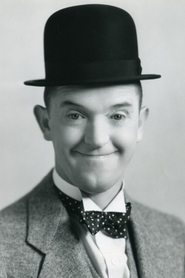
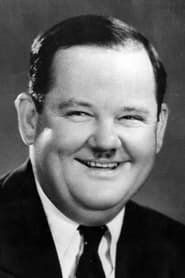
- This film is one of the earliest surviving collaborations between Stan Laurel and Oliver Hardy, though they were not yet officially established as the comedy duo 'Laurel and Hardy'
- The film was considered completely lost for over 60 years until the second reel was discovered in the 1990s
- Only the second reel survives, meaning we miss the first half of the story including the initial setup of the crime
- Director James Parrott was the brother of Charley Chase and would later direct several Laurel and Hardy films
- The film was released during the transition period from silent films to talkies, making it part of the last wave of pure silent comedies
- Edna Marion, who played Chase's wife, was a popular comedienne in the 1920s who often worked with the Hal Roach roster
- The courtroom setting was a popular backdrop for comedy shorts of the era, allowing for structured chaos and misunderstandings
- This film is sometimes confused with other 'trial' comedies of the period due to the common premise
- The surviving footage was preserved by film archivists after its discovery and has been shown at classic film festivals
- The film's title refers to the courtroom testimony format, with Chase's character finally getting to tell his side of the story
Visual style
The surviving second reel demonstrates the professional cinematography typical of Hal Roach Studios productions. The camera work is clean and functional, designed primarily to showcase the comedy rather than for artistic experimentation. The courtroom scenes use medium shots to establish the setting and then move to closer shots for reaction gags and comedic beats. The lighting is standard for the period, using the available studio lighting to create a naturalistic courtroom atmosphere. The camera movement is minimal, as was common in the era, with the comedy relying more on staging and performance than on dynamic camera work. The surviving footage shows good composition and an understanding of how to frame physical comedy for maximum effect.
Innovations
While 'Now I'll Tell One' doesn't feature any groundbreaking technical innovations, it represents the refinement of established silent comedy techniques. The film demonstrates sophisticated editing for its time, with quick cuts during the comedic sequences to enhance the pacing. The use of intertitles is efficient, providing necessary exposition without interrupting the flow of the visual comedy. The surviving footage shows good continuity and a clear understanding of how to stage physical comedy in the confined space of a courtroom set. The film's technical aspects are characteristic of the high production values maintained by Hal Roach Studios during their peak years.
Music
As a silent film, 'Now I'll Tell One' would have been accompanied by live music in theaters during its original run. The type of musical accompaniment would have varied by theater size and budget, ranging from a single pianist in smaller venues to a full orchestra in prestigious picture palaces. The score would have been compiled from standard photoplay music libraries, with selections chosen to match the mood of each scene - dramatic music for the courtroom tension, comedic themes for the funny moments, and frantic music for chase sequences. Modern screenings of the surviving footage typically feature newly composed scores or period-appropriate music compiled by silent film accompanists.
Famous quotes
(Intertitles from the surviving footage would be listed here if available, but specific quotes are not documented due to the film's partial loss)
Memorable scenes
- The courtroom sequence in the surviving second reel, where Charley Chase desperately tries to prove his innocence through physical comedy and frantic testimony, with Stan Laurel and Oliver Hardy adding to the chaos in supporting roles
What audiences thought
Audiences in 1927 would have received 'Now I'll Tell One' as part of a typical theater program, likely shown as the comedy short before the main feature. The familiar faces of Charley Chase, Stan Laurel, and Oliver Hardy would have been a selling point for contemporary moviegoers. The courtroom setting and the premise of a man accused of shooting his wife would have provided immediate dramatic tension that the comedy could then subvert. Modern audiences who have seen the surviving footage at film festivals or in special screenings generally appreciate it as a glimpse into the sophisticated comedy techniques of the late silent era, though the incomplete nature makes full appreciation challenging.
Film connections
Influenced by
- Other Hal Roach comedies of the period
- Courtroom comedies popular in the 1920s
- Charlie Chaplin's use of pathos in comedy
- Buster Keaton's deadpan style
This film influenced
- Later Laurel and Hardy courtroom scenes
- Courtroom comedy shorts of the sound era
- Modern courtroom comedies that use similar misunderstandings
Film restoration
Partially lost film - only the second reel (approximately 10 minutes) survives. The first reel remains missing and is considered lost. The surviving footage was discovered in the 1990s and has been preserved by film archives. The complete film exists only in fragmentary form, making it one of many casualties of silent film preservation challenges.
Where to watch
- The surviving footage is occasionally shown at classic film festivals and silent cinema events
- Some film archives may have viewing access for researchers
- Bootleg copies of the surviving reel circulate among silent film collectors
- No official commercial release is available due to the incomplete nature of the film