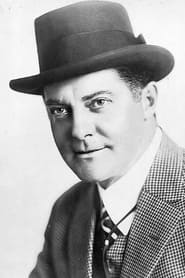
Herschel Mayall
Actor
Born: December 16, 1875 in Kentucky, USA Died: January 9, 1941 Active: 1914-1920
Films
7 films

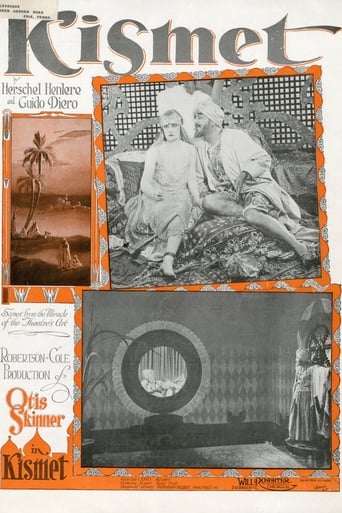
About Herschel Mayall
American character actor who flourished during the silent film era, appearing in over 100 films between 1914 and 1920. Born in Kentucky in 1875, Mayall moved to California during the early days of Hollywood's emergence as the film capital. He quickly established himself as a reliable supporting actor, working with directors like Thomas H. Ince and Reginald Barker who were instrumental in developing narrative cinema. Mayall's tall, thin frame and distinctive mustache made him a recognizable presence in numerous Westerns, dramas, and historical epics of the period. His most notable work included appearances in significant early features such as 'The Bargain' (1914), one of the earliest feature-length Westerns, and 'Civilization' (1916), an ambitious anti-war epic that was expensive productions of its time. Mayall's career coincided with the maturation of American cinema from short films to feature-length productions, and he contributed to dozens of films that helped establish narrative conventions in the medium. After 1920, Mayall largely disappeared from the screen, possibly due to age or the industry's transition toward sound, and he lived out his remaining years in Los Angeles until his death in 1941.
The Craft
On Screen
As a silent film actor, Mayall employed the exaggerated gestures and facial expressions typical of the era to convey emotion and character. His tall, thin physique and distinctive mustache made him particularly suited for authority figures, villains, and character roles that required a commanding presence. Mayall's style was rooted in theatrical traditions that preceded cinema, with emphatic body language and clear, readable expressions that could communicate character and motivation without dialogue. He adapted his performances to the technical limitations of early film equipment, ensuring his actions would register clearly on camera and be comprehensible to audiences.
Milestones
- Appeared in over 100 films in just 6 years
- Worked with director Thomas H. Ince
- Frequent collaborator with director Reginald Barker
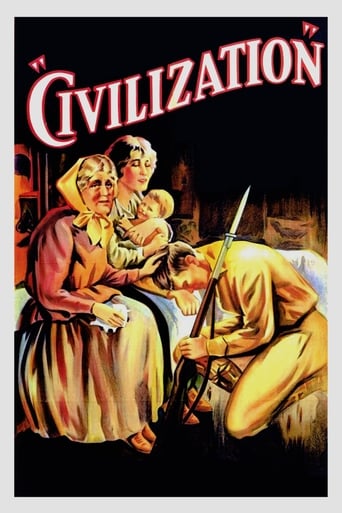
- Appeared in 'Civilization' (1916),
- Supporting role in 'The Bargain' (1914), an early feature-length Western
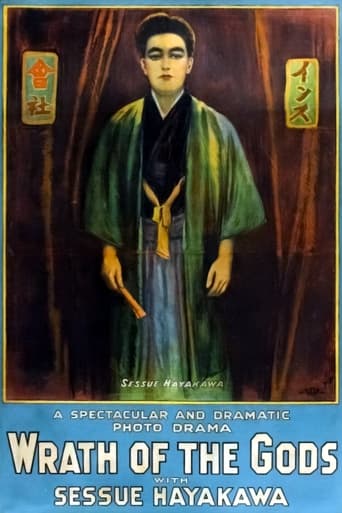
- Part of the ensemble cast in 'The Wrath of the Gods' (1914)
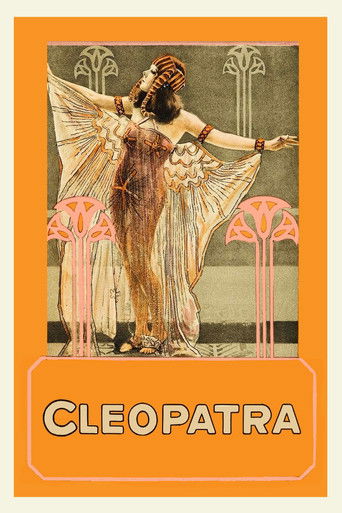
- Appeared in the major historical epic 'Cleopatra' (1917) starring Theda Bara
Best Known For
Iconic Roles
Must-See Films
Working Relationships
Worked Often With
Studios
Why They Matter
Impact on Culture
Herschel Mayall contributed to the foundation of American narrative cinema during its most formative years. As a character actor in over 100 films, he helped establish the visual language and storytelling techniques that would define Hollywood cinema. His work in significant early films like 'Civilization' (1916) and 'The Bargain' (1914) placed him at the forefront of the industry's transition from short films to feature-length productions. Mayall was part of the creative community that established Hollywood as the center of global film production, working with directors who were inventing cinematic grammar as they went. Though not a star, his consistent presence in numerous films of the mid-1910s made him a familiar face to early movie audiences and a reliable supporting player for the emerging studio system. His performances helped demonstrate the viability of feature-length films and contributed to the development of character archetypes that would become standard in American cinema.
Lasting Legacy
Herschel Mayall's legacy lies in his contribution to the silent film era as a prolific character actor who appeared in dozens of significant early American films. While not remembered as a major star, his work survives as part of the historical record of cinema's development. His films, particularly those directed by Thomas H. Ince and Reginald Barker, are studied by film historians as examples of early narrative cinema and the establishment of Hollywood's studio system. Mayall represents the countless working actors who formed the backbone of the early film industry, providing reliable performances that helped establish the conventions of film acting and storytelling. His career spans a crucial period in film history, documenting the medium's evolution from simple spectacles to complex narratives with developed characters. The preservation of his films in archives ensures that future generations can study the work of these early cinema pioneers.
Who They Inspired
As a character actor rather than a star or director, Herschel Mayall's direct influence on subsequent generations of filmmakers and actors is difficult to trace specifically. However, his work contributed to the establishment of character archetypes and acting techniques that would become standard in American cinema. The authority figures and character types he portrayed helped codify the visual shorthand that silent films used to quickly establish character relationships and motivations. His prolific output during the mid-1910s placed him in the vanguard of actors who helped prove the viability of feature-length films, paving the way for the more complex character development that would become possible in later decades. Mayall and his contemporaries established the foundation of supporting character acting that would become essential to Hollywood's narrative tradition.
Off Screen
Born in Kentucky in 1875, Herschel Mayall was part of the generation of actors who transitioned from stage to early cinema. He moved to California during the formative years of the American film industry, settling in the Los Angeles area where he would remain for the rest of his life. Details about his family life, marriages, or children are not well-documented in historical records, which was common for character actors of his era who did not achieve star status. Mayall lived through the dramatic transformation of cinema from silent films to talkies, though his acting career ended before the sound revolution fully took hold. He spent his final years in Los Angeles, witnessing the continued growth and evolution of the industry he had helped establish.
Did You Know?
- Appeared in over 100 films in just 6 years (1914-1920)
- Worked with director Thomas H. Ince on multiple occasions
- Appeared in 'Civilization' (1916), which was
- Had a supporting role in 'The Bargain' (1914), considered one of the earliest feature-length Westerns
- Appeared in the 1917 version of 'Cleopatra' starring Theda Bara, now a lost film
- His career ended just before the transition to sound films in the late 1920s
- Frequently cast as an authority figure or villain due to his tall stature and distinctive appearance
- Born in the same year as the first motion picture was shown to an audience
- Worked during the period when Hollywood was establishing itself as the film capital of the world
- His filmography represents a cross-section of American cinema during World War I
- Often credited simply as 'H. Mayall' in early films
- Was part of the stock company of actors regularly employed by Thomas H. Ince
Frequently Asked Questions
Who was Herschel Mayall?
Screen credits include over 100 silent films between 1914 and 1920. He worked with directors like Thomas H. Ince and Reginald Barker, appearing in significant early films such as 'The Bargain' (1914) and 'Civilization' (1916).
What films is Herschel Mayall best known for?
Titles linked here include The Bargain (1914), The Wrath of the Gods (1914).
When was Herschel Mayall born and when did he die?
Born December 16, 1875; died January 9, 1941.
What awards did Herschel Mayall win?
There is no record of Herschel Mayall receiving major awards or honors during his career. The Academy Awards were not established until 1929, near the end of his acting career, and as a character actor, he was not typically recognized with the accolades given to stars of his era.
What was Herschel Mayall's acting style?
Mayall employed the exaggerated gestures and facial expressions typical of silent film actors to convey emotion without dialogue. His tall, thin frame and distinctive mustache made him particularly suited for authority figures and character roles that required a commanding presence.
Why did Herschel Mayall's career end in 1920?
The exact reason for Mayall's retirement from acting in 1920 is unclear, but it may have been due to age, changing industry demands, or the impending transition to sound films that would revolutionize acting techniques in cinema.
Did Herschel Mayall work with any famous directors or actors?
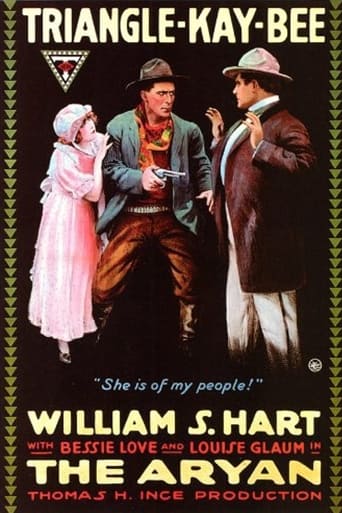
Mayall worked with directors Thomas H. Ince and Reginald Barker on multiple occasions. He also appeared alongside William S. Hart in 'The Aryan' (1916) and Theda Bara in 'Cleopatra' (1917), both major stars of the silent era.
What was Herschel Mayall's contribution to early cinema?
Mayall contributed to the development of American narrative cinema as a prolific supporting actor during its formative years. His work in over 100 films helped establish conventions of film acting and storytelling during the transition from short films to feature-length productions.