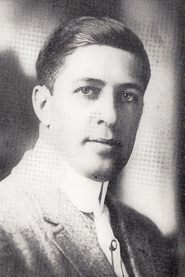
Jack Richardson
Actor
Born: November 12, 1883 in New York City, New York, USA Died: January 17, 1957 Active: 1915-1929
Films
4 films
About Jack Richardson
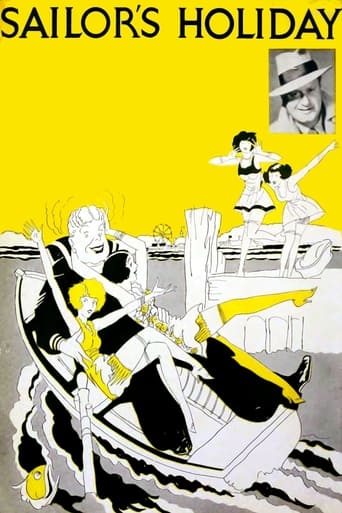
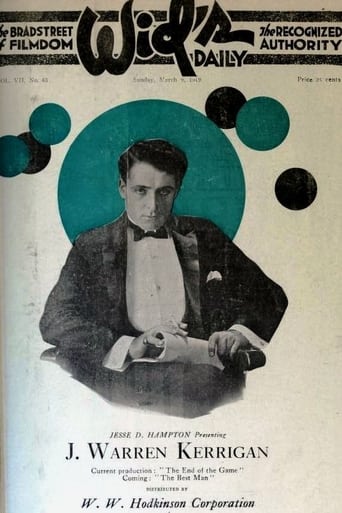
Prolific American character actor who flourished during the silent film era and successfully transitioned into early sound pictures. Born in New York City in 1883, Richardson began his film career in the mid-1910s, quickly establishing himself as a reliable supporting player in numerous productions. His decade-long active period from 1919 to 1929 saw him appear in over 100 films, though many are now lost due to the deterioration of silent film stock. Richardson possessed a commanding screen presence that made him particularly effective in roles as authority figures, villains, and stern paternal characters. He worked with several major studios of the era including Universal, Fox, and Paramount, often being cast in westerns, dramas, and adventure films. His performance in 'The End of the Game' (1919) showcased his ability to convey complex emotions without dialogue, a skill essential for silent film actors. Richardson's career gradually wound down as the sound era progressed, with his final film appearance being in 'Sailor's Holiday' (1929), marking the end of his contribution to early American cinema.
The Craft
On Screen
Richardson employed a theatrical yet naturalistic acting style typical of the silent era, using exaggerated facial expressions and body language to convey emotions effectively to audiences. His tall, imposing frame and stern features made him particularly suited for authoritative or villainous roles, though he demonstrated versatility across various character types. Richardson's technique emphasized clear physical storytelling, essential in an era without synchronized dialogue, and he possessed the rare ability to communicate complex psychological states through subtle gestures and expressions.
Milestones
- Film debut in the mid-1910s during the silent era
- Prolific output with over 100 film appearances
- Successful transition from silent to early sound films
- Notable performance in 'The End of the Game' (1919)
- Final film appearance in 'Sailor's Holiday' (1929)
- Established reputation as a reliable character actor
Best Known For
Iconic Roles
Must-See Films
Accolades
Special Recognition
- Contributor to the Golden Age of Hollywood silent cinema
Working Relationships
Worked Often With
Studios
Why They Matter
Impact on Culture
Jack Richardson contributed to the foundation of American cinema during its most transformative period, helping establish the language of film acting in the silent era. As a character actor who appeared in numerous productions, he was part of the ensemble that created the visual grammar of cinema, demonstrating how emotions and narratives could be conveyed without dialogue. His work in westerns and adventure films helped popularize these genres, which would become staples of American cinema for decades. Richardson's career trajectory also exemplifies the challenges many silent film actors faced with the advent of sound, as his filmography abruptly ended with the transition to talkies.
Lasting Legacy
Though largely forgotten today, Jack Richardson represents the countless dedicated character actors who formed the backbone of early Hollywood cinema. His extensive filmography, though partially lost to time, shows the collaborative nature of filmmaking during the silent era. Richardson's ability to adapt to various roles and genres demonstrated the professionalism required of studio system actors. His career spans a crucial decade in film history, bridging the height of silent cinema and the dawn of the sound era, making him a valuable subject for film historians studying this transitional period.
Who They Inspired
Richardson's work as a supporting actor influenced the development of character acting in American cinema, demonstrating the importance of reliable performers in creating believable film worlds. His technique in silent film acting provided a template for subsequent generations of actors in conveying emotion through physical means. While not a star who influenced other performers directly, his consistent professional approach set a standard for character actors in the studio system. Richardson's career also illustrates the precarious nature of film stardom during the transition from silent to sound films, serving as a cautionary tale about adaptability in the entertainment industry.
Off Screen
Jack Richardson led a relatively private life away from the Hollywood spotlight, with limited public documentation about his personal affairs. He was part of the generation of actors who helped establish the film industry during its formative years, working through the transition from silent films to talkies. Richardson's active years covered a crucial decade in cinema history, and he witnessed firsthand the technological and artistic changes that revolutionized filmmaking. After retiring from acting in 1929, he largely disappeared from public life, maintaining the privacy common among character actors of his era.
Did You Know?
- Appeared in over 100 films during his decade-long career
- Most of his silent films are now considered lost
- Often cast as villains or authority figures due to his imposing stature
- Worked during the transitional period between silent and sound films
- His final film 'Sailor's Holiday' was an early sound production
- Part of the large community of New York-born actors who migrated to Hollywood
- Never achieved leading man status but maintained steady employment as a character actor
- His career coincided with the establishment of the Hollywood studio system
- Witnessed the evolution of film from short subjects to feature-length productions
- Representative of the journeyman actors essential to early Hollywood's success
Frequently Asked Questions
Who was Jack Richardson?
American character with credits in this catalog.
What films is Jack Richardson best known for?
Titles linked here include The End of the Game (1919), Sailor's Holiday (1929).
When was Jack Richardson born and when did he die?
Born November 12, 1883; died January 17, 1957.
What awards did Jack Richardson win?
Jack Richardson did not receive any major awards or nominations during his career, which was typical for character actors of the silent era who worked primarily in supporting roles.
What was Jack Richardson's acting style?
Richardson employed a theatrical yet naturalistic silent film acting style, using exaggerated facial expressions and body language to convey emotions effectively, with his imposing physical presence making him particularly effective in authoritative and villainous roles.