Kenneth Harlan
Actor
Born: July 26, 1895 in Boston, Massachusetts, USA Died: March 6, 1967 Active: 1916-1942 Birth Name: Kenneth Daniel Harlan
Films
9 films
About Kenneth Harlan
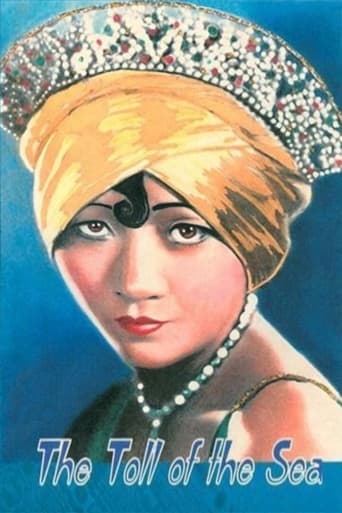
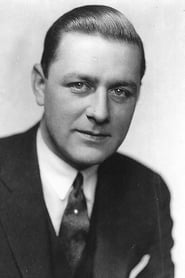
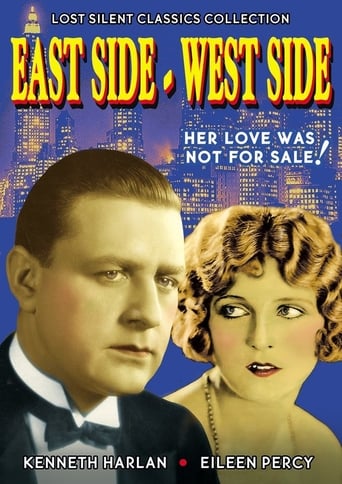
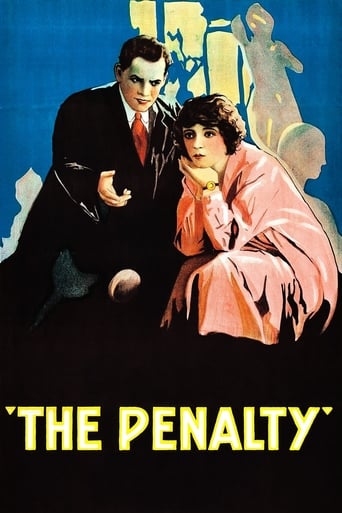
Prominent American actor who rose to fame during the silent film era, becoming one of Hollywood's most recognizable leading men of the 1920s. Born into a theatrical family, he began his career on the stage before transitioning to films in 1916, quickly establishing himself as a romantic lead with his handsome features and commanding screen presence. Harlan appeared in over 200 films throughout his career, working with major studios including Paramount, Fox, and Universal, often starring alongside the era's most famous actresses. His career reached its zenith in the early 1920s with notable performances in films like 'The Penalty' (1920) opposite Lon Chaney and 'The Toll of the Sea' (1922), one of the first Technicolor features. While he successfully made the transition to talkies, his star power gradually diminished by the mid-1930s, leading to smaller supporting roles and B-movie appearances. Harlan continued working in films through the early 1940s before retiring from the industry. His legacy remains as a representative figure of the Golden Age of Hollywood's transition from silent films to sound.
The Craft
On Screen
Harlan was known for his polished, theatrical acting style typical of the silent era, characterized by exaggerated gestures and expressive facial features that translated well to the screen. He specialized in romantic leading roles, often playing the dashing hero or love interest with a commanding presence and matinee idol looks. His performances were marked by a certain aristocratic bearing and earnestness that made him popular with audiences of the time. As sound films emerged, he adapted his style to a more naturalistic approach, though his theatrical roots remained evident in his delivery.
Milestones
- Breakthrough role in 'The Penalty' (1920) opposite Lon Chaney
- Starred in 'The Toll of the Sea' (1922), first Technicolor feature
- Leading man in major silent productions throughout the 1920s
- Successfully transitioned to sound films
- Married to actresses Marie Prevost and Helene Costello
Best Known For
Iconic Roles
Must-See Films
Accolades
Special Recognition
- Hollywood Walk of Fame star (6600 Hollywood Boulevard)
Working Relationships
Worked Often With
Studios
Why They Matter
Impact on Culture
Kenneth Harlan represented the quintessential silent film leading man, embodying the transition from theatrical acting to cinematic performance. His work in 'The Toll of the Sea' was historically significant as it was one of the first feature films to use the Technicolor process, helping to pave the way for color cinematography in Hollywood. Harlan's career trajectory mirrored that of many silent film stars who struggled to maintain their status in the sound era, making him a representative figure of this transformative period in cinema history. His performances alongside legendary actors like Lon Chaney helped establish the visual language of silent film drama.
Lasting Legacy
Kenneth Harlan's legacy lies primarily in his contributions to silent cinema and his role in Hollywood's technological evolution through early color films. While not as remembered as some of his contemporaries, his extensive filmography provides valuable documentation of silent era filmmaking techniques and storytelling methods. His star on the Hollywood Walk of Fame ensures his place in Hollywood history, and his films continue to be studied by film historians and enthusiasts interested in the transition from silent to sound cinema. Harlan's career serves as a case study in the challenges faced by silent film actors adapting to new cinematic technologies and audience expectations.
Who They Inspired
Harlan influenced the development of the romantic leading man archetype in silent cinema, setting standards for screen presence and visual storytelling that would be emulated by subsequent actors. His work in early color films demonstrated the possibilities of Technicolor, influencing other filmmakers to experiment with color technology. While he didn't directly mentor major stars who would become more famous, his professional conduct and career longevity in the face of technological change provided a model for other actors navigating similar transitions.
Off Screen
Kenneth Harlan came from a theatrical background, being the son of noted opera singer Wallace Harlan. He married three times, all to actresses from the silent film era, with his most famous marriage being to Marie Prevost from 1924 to 1928. His personal life was often covered by Hollywood gossip columns, particularly his marriages and divorces. After his film career declined, Harlan struggled financially in his later years and lived in relative obscurity until his death from a heart attack at age 71.
Education
Attended Boston public schools, studied at the American Academy of Dramatic Arts
Family
- Marie Prevost (1924-1928)
- Helene Costello (1927-1928)
- Ruth Ewing (1931-1967)
Did You Know?
- Was the son of opera singer Wallace Harlan
- Appeared in over 200 films during his 26-year career
- His marriage to Marie Prevost was highly publicized in Hollywood gossip columns
- Was one of the first actors to work extensively in early Technicolor films
- His star on the Hollywood Walk of Fame is located at 6600 Hollywood Boulevard
- Made a successful transition from stage to silent films in 1916
- Worked with legendary horror icon Lon Chaney in 'The Penalty'
- His career declined significantly after the advent of sound pictures
- Was known for his distinctive mustache in many of his later roles
- Served in the Army during World War I before beginning his film career
In Their Own Words
The transition from silent to sound was like learning to walk all over again
In the silent days, we had to say everything with our eyes and our hearts
Being a leading man in the 1920s was like being a rock star today
Frequently Asked Questions
Who was Kenneth Harlan?
American with credits in this catalog.
What films is Kenneth Harlan best known for?
Titles linked here include The Penalty (1920), The Toll of the Sea (1922).
When was Kenneth Harlan born and when did he die?
Born July 26, 1895; died March 6, 1967.
What awards did Kenneth Harlan win?
While Kenneth Harlan did not win major acting awards, he received a star on the Hollywood Walk of Fame at 6600 Hollywood Boulevard in recognition of his contributions to film.
What was Kenneth Harlan's acting style?
Harlan employed a theatrical, expressive acting style typical of the silent era, characterized by exaggerated gestures and facial expressions that conveyed emotion without dialogue, adapting to a more naturalistic approach in sound films.