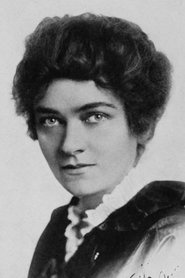
Jane Wolfe
Actor
Born: March 21, 1885 in St. Petersburg, Florida, USA Died: November 29, 1958 Active: 1915-1920
Films
3 films
About Jane Wolfe
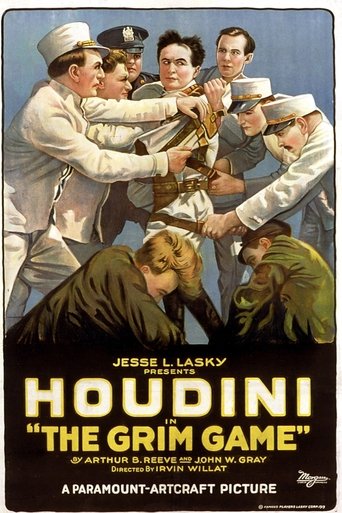
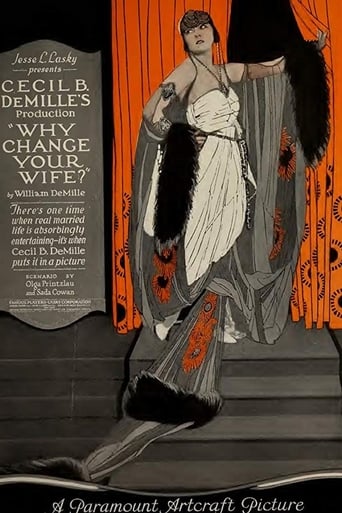
American actress who graced the silent film screen cinema history. Born in Florida in 1885, she emerged as a character actress during the late 1910s, appearing in several notable productions that showcased the evolving art of filmmaking. Her career, though brief, intersected with some of the biggest names and most significant films of the silent era, including working with escape artist Harry Houdini in 'The Grim Game' and appearing in Cecil B. DeMille's sophisticated comedy 'Why Change Your Wife?' alongside Gloria Swanson. Wolfe demonstrated versatility in her roles, from dramatic parts to supporting characters in major productions. Her filmography, spanning primarily from 1919 to 1920, captured the transition period as Hollywood was establishing itself as the global center of cinema. While her screen career was relatively short-lived, her appearances in these historically significant films have ensured her place in silent film history. After her acting career wound down in the early 1920s, she largely retired from public life, leaving behind a legacy of performances that continue to be studied by film historians and enthusiasts of the silent era.
The Craft
On Screen
Jane Wolfe embodied the expressive acting style typical of the silent era, utilizing exaggerated facial expressions and body language to convey emotion and character. Her performances demonstrated the technical skill required for silent film acting, where every gesture and expression had to communicate clearly without dialogue. She adapted well to both dramatic and comedic roles, showing versatility that was valued by directors of the period.
Milestones
- Appeared alongside Harry Houdini in The Grim Game (1919)
- Worked with director Cecil B. DeMille in Why Change Your Wife? (1920)
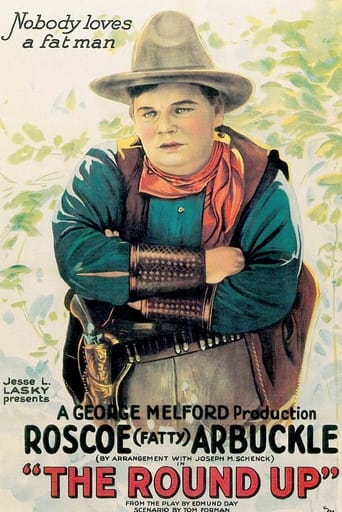
- Supporting role in The Round-Up (1920) with Roscoe 'Fatty' Arbuckle
- Transitioned from stage to silent film during Hollywood's formative years
- Participated in the golden age of silent comedy and drama
Best Known For
Iconic Roles
Must-See Films
Accolades
Special Recognition
- Recognized in silent film archives and historical databases
- Preserved in film history through surviving prints of major productions
Working Relationships
Worked Often With
Studios
Why They Matter
Impact on Culture
Jane Wolfe's contributions to silent cinema represent the important work of character actors who formed the backbone of early Hollywood productions. Her appearances in historically significant films have helped preserve the artistic legacy of the silent era for modern audiences. Through her work with figures like Harry Houdini and Cecil B. DeMille, she participated in films that pushed the boundaries of what cinema could achieve, from death-defying stunts to sophisticated social comedies. Her performances, though often in supporting roles, contributed to the overall artistic success of productions that have become classics of silent film. As part of the ensemble casts that defined early Hollywood, she helped establish the collaborative nature of filmmaking that would become the industry standard.
Lasting Legacy
Jane Wolfe's legacy endures through the preservation of the silent films in which she appeared, particularly those that have become classics of the era. Her work serves as an important example of the character actors who were essential to the success of early Hollywood productions, providing the supporting framework that allowed stars to shine. Film historians and silent cinema enthusiasts continue to study her performances as representative of the acting techniques and styles that defined the silent era. Her appearances in films by directors like Cecil B. DeMille ensure that her contribution to cinema history is remembered alongside the more famous names of the period. The survival of her films has allowed modern audiences to appreciate the artistry and craftsmanship of silent film performers like Wolfe.
Who They Inspired
As a character actress of the silent era, Jane Wolfe's influence was primarily through her contributions to the ensemble casts that made early films successful. Her work helped establish the importance of supporting actors in creating fully realized cinematic worlds. While she did not mentor other actors directly due to her relatively brief career, her performances in major productions provided examples of effective silent film acting for subsequent generations of performers. Her participation in groundbreaking films with innovative techniques helped pave the way for the evolution of cinema as an art form.
Off Screen
Jane Wolfe maintained a relatively private personal life, with limited public documentation beyond her professional career. She was born in the American South and made her way to Hollywood during the early boom years of the film industry. Like many actors of her era, she appears to have transitioned from stage work to the burgeoning film industry. After her brief but notable film career ended in the early 1920s, she largely withdrew from public entertainment, though she lived in the Los Angeles area for the remainder of her life. She never married and had no children, dedicating her later years to a more private existence away from the Hollywood spotlight.
Education
Limited documentation available, likely received standard education for the period with possible stage training before entering films
Did You Know?
- Appeared in a film with Harry Houdini that featured
- Worked with Cecil B. DeMille during his peak period as one of Hollywood's most influential directors
- Her film career coincided with the transition from short films to feature-length productions
- Participated in the early Hollywood studio system during its formative years
- Appeared in films that showcased both dramatic and comedic elements of silent cinema
- Worked during the period when Hollywood was establishing itself as the global center of film production
- Her films have survived the decades better than many silent productions, allowing modern audiences to appreciate her work
- Participated in early examples of sophisticated Hollywood comedy that dealt with contemporary social issues
- Her active years covered the period just before Hollywood's transition to sound films
- Appeared in productions that demonstrated the increasing technical sophistication of silent filmmaking
In Their Own Words
No documented famous quotes from Jane Wolfe, as was common for supporting actors of the silent era who rarely gave interviews or had their words preserved in print
Frequently Asked Questions
Who was Jane Wolfe?
American actress who worked during the silent film era, primarily active from 1915 to 1920. She appeared in several notable productions including 'The Grim Game' with Harry Houdini and Cecil B. DeMille's 'Why Change Your Wife?' Though her career was relatively brief, she worked with some of the biggest names and directors of early Hollywood.
What films is Jane Wolfe best known for?
Titles linked here include The Grim Game (1919), Why Change Your Wife? (1920).
When was Jane Wolfe born and when did she die?
Born March 21, 1885; died November 29, 1958.
What awards did Jane Wolfe win?
Jane Wolfe did not receive any major awards during her career, which was common for supporting actors of the silent era. The Academy Awards were not established until 1929, after her film career had largely ended. Her recognition comes primarily from her participation in historically significant films that have become classics of silent cinema.
What was Jane Wolfe's acting style?
Jane Wolfe employed the expressive acting style typical of silent film performers, using exaggerated facial expressions and body language to convey emotion without dialogue. She demonstrated versatility in both dramatic and comedic roles, adapting her performance style to suit the needs of each production and director.
Did Jane Wolfe work with any famous directors or actors?
Yes, Jane Wolfe worked with several notable figures of early Hollywood. She appeared in films directed by Cecil B. DeMille and Irvin Willat, and worked alongside stars including Harry Houdini, Gloria Swanson, Thomas Meighan, and Roscoe 'Fatty' Arbuckle. These collaborations placed her at the center of some of the most significant productions of the silent era.
Why did Jane Wolfe's career end so early?
While specific reasons for Jane Wolfe's departure from films are not extensively documented, it was common for actors of the silent era to have relatively brief careers. Many factors including the transition to sound films, changing industry demands, and personal choices led actors to leave the profession. Wolfe retired from acting in the early 1920s, before the major transition to sound cinema.