
Some Shimmiers
"The night that Eddie's girl announces her engagement to her"
Keys: Space play/pause · ←/→ 10s · F fullscreen · M mute · </> speed
About this film
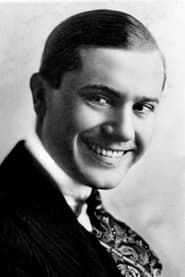
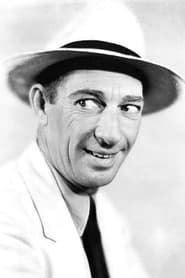
The night that Eddie's girl announces her engagement to her friends she plans a slumming party, which does not meet with Eddie's approval but the others are so in favor of it he is compelled to go. Eddie Lyons (November 25, 1886 – August 30, 1926) was an American film actor, director, writer, and producer of the silent era. He appeared in 388, directed 153, wrote for 93, and produced 40 films between 1911 and 1926. He was born in Beardstown, Illinois, and died in Pasadena, California.
Cast & crew
More films like this

More Comedy films
View all →






More from Eddie Lyons
View all →
More about this film
About the production
Release dateMarch 1920
ProductionEddie Lyons Comedies
Filmed inLos Angeles, California
Some Shimmiers was produced during the golden age of silent comedy shorts. The film was part of a series of comedy shorts starring Eddie Lyons and Lee Moran, who were popular comedy duo of the era. The production utilized the typical two-reel format common for comedy shorts of the period, running approximately 20 minutes. The film was shot on location in Los Angeles, taking advantage of the city's diverse neighborhoods to create contrast between the upper-class settings and the 'slum' areas depicted in the story.
Themes
Class differencesSocial pretensionYouth cultureUrban explorationRomantic relationships
Themes & topics
Historical background
Silent-era production in 1920 relied on intertitles, live accompaniment, and studio systems that were rapidly consolidating into national industries. Archival sources describe Some Shimmiers as american actor. Contemporary context can be traced through sources such as the Wikipedia article on Eddie Lyons.
Why this film matters
Some Shimmiers remains part of the screen heritage of its era, offering evidence of prevailing genres, production methods, and audience tastes. Later revivals, archive screenings, and digitization have kept such titles accessible to researchers and dedicated viewers long after their first commercial runs.
Making of
Some Shimmiers was created during a period when short comedy films were the bread and butter of Hollywood studios. Eddie Lyons, who both directed and starred in the film, was part of the transition from Mack Sennett-style slapstick to more character-driven comedy. The production team took advantage of Los Angeles's varied architecture to create the contrast between the wealthy characters' homes and the working-class neighborhoods they visit. The film was likely shot in just a few days, as was typical for comedy shorts of this era. The cast and crew would have been experienced in the rapid production methods required for the lucrative short film market.
What critics said
Trade and newspaper reviews from the silent period for Some Shimmiers survive only in fragments, making precise reception history difficult to reconstruct. Modern assessment tends to emphasize historical value, craft, and cultural context rather than box-office performance.
Did you know?
- The title 'Some Shimmiers' refers to the slang term 'shimmier' used in the 1920s to describe young, fashionable women who enjoyed jazz music and dancing
- Eddie Lyons and Lee Moran were especially prolific comedy teams of the silent era, appearing in over 60 films together
- The concept of 'slumming parties' was a real social phenomenon among wealthy Americans in the 1920s, where they would visit poorer neighborhoods for entertainment
- Mildred Moore was a popular actress of the 1920s who appeared in over 80 films during her career
- The film was released by Universal Pictures as part of their comedy series
- This was one of the last films directed by Eddie Lyons before he transitioned primarily to acting
- The original negative was likely destroyed in the 1948 Universal studio fire, making surviving copies extremely rare
- The film's theme of class differences was somewhat progressive for its time, subtly critiquing the practice of slumming
Visual style
The cinematography of Some Shimmiers employed standard techniques for silent comedy shorts of 1920. The camera work was functional rather than artistic, focusing on clearly capturing the action and facial expressions crucial to silent comedy. The film likely used static camera positions for most scenes, with occasional tracking shots to follow the characters' movements. Lighting was designed to create clear contrast between the wealthy characters' bright, spacious environments and the darker, more cramped settings of the 'slum' areas. The visual style emphasized clarity over artistry, ensuring that audiences could follow the physical comedy and read the intertitles easily.
Innovations
Some Shimmiers did not introduce significant technical innovations but employed the standard filmmaking techniques of 1920. The film was shot on 35mm black and white film stock typical of the era. The production utilized natural lighting where possible and artificial lighting when necessary, following the developing practices of Hollywood cinematography. The editing followed the continuity style that was becoming standard in American cinema, with clear shot-reverse-shot patterns for dialogue scenes and dynamic cutting for action sequences. The film's technical aspects were competent but not groundbreaking, representing the solid craftsmanship of mainstream Hollywood production rather than experimental techniques.
Music
As a silent film, Some Shimmiers would have been accompanied by live musical performance during its theatrical run. The typical score would have been provided by a theater organist or small orchestra, using popular songs and classical pieces appropriate to the mood of each scene. Upbeat, jaunty music would have accompanied the party scenes, while more dramatic or mysterious music would have underscored the slumming adventure. Theaters often used cue sheets provided by the studio, which suggested appropriate musical selections for different moments in the film. No original score survives, as the music was improvised or selected by individual theater musicians.
Famous quotes
A night among the common folk might do us all some good
You call this entertainment? I call it trouble waiting to happen
Sometimes the best adventures are the ones we don't choose
Memorable scenes
- The chaotic slumming party where the wealthy characters encounter reality, The moment Eddie reluctantly agrees to join the expedition, The series of misunderstandings that occur when the group tries to interact with working-class residents
What audiences thought
Audiences in 1920 reportedly enjoyed Some Shimmiers for its relatable characters and humorous situations. The film's theme of class differences resonated with theater-goers of various backgrounds, and the comedic mishaps during the slumming party provided the kind of visual humor that silent film audiences craved. The chemistry between Eddie Lyons and Lee Moran was a particular draw for regular moviegoers who followed their series of films. Like most comedy shorts of the period, it was designed to be part of a varied program that included newsreels, a feature film, and other shorts.
Film connections
Influenced by
- Mack Sennett comedies
- Charlie Chaplin's social comedies
- Harold Lloyd's character-driven humor
- Contemporary stage plays about class
This film influenced
- Later comedy shorts dealing with class themes
- Early sound comedies with similar social situations
Film restoration
Some Shimmiers is considered a rare film with uncertain preservation status. Like many Universal shorts from the 1920s, it was likely lost in the 1948 studio fire that destroyed much of Universal's silent film library. A few prints may exist in private collections or film archives, but it is not widely available for viewing. The film is listed as 'possibly lost' by most film preservation organizations, though film historians continue to search for surviving copies in archives worldwide.
Where to watch
- Due to its rarity and preservation status, Some Shimmiers is not commercially available on any streaming platforms or home video formats. Film enthusiasts may be able to view it at specialized film archives or silent film festivals that occasionally screen rare Universal shorts. The Library of Congress and the UCLA Film & Television Archive should be contacted for potential viewing opportunities, though access would be restricted to research purposes.