No Poster
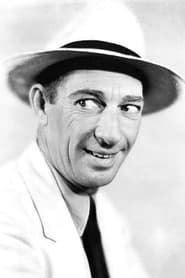
Lee Moran
Actor
Born: June 10, 1888 in Chicago, Illinois, USA Died: April 24, 1961 Active: 1912-1935
Films
6 films
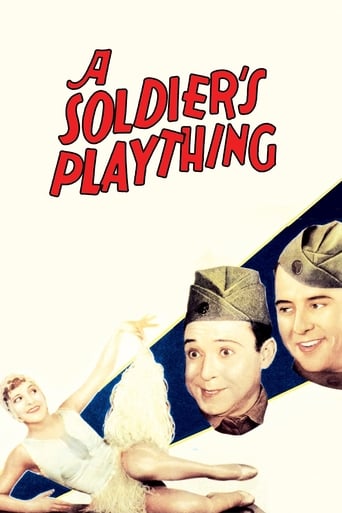
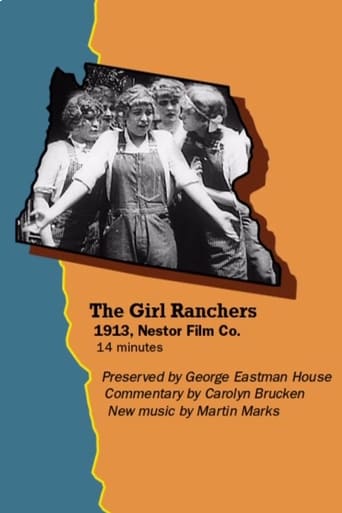
About Lee Moran
American actor, director, and screenwriter who became prolific character actors of the silent film era. Born in Chicago in 1888, he began his film career in 1912 and quickly established himself as a reliable comic performer, appearing in over 200 films throughout his career. Moran worked extensively with Hal Roach Studios, where he became part of their stock company of comedy players, developing his skills in physical comedy and timing. He successfully navigated the challenging transition from silent films to talkies in the late 1920s, demonstrating remarkable adaptability as the film industry underwent technological revolution. In addition to acting, Moran also directed and wrote screenplays for several comedy shorts, showcasing his versatility within the medium. His more than two decades, during which he worked alongside some of the era's biggest comedy stars including Harold Lloyd and Stan Laurel. Moran retired from the film industry in the mid-1930s, leaving behind an extensive filmography that serves as a valuable record of early American comedy cinema.
The Craft
On Screen
Lee Moran specialized in physical comedy and character acting, with a particular talent for creating memorable performances in limited screen time. His style emphasized precise timing, expressive facial features, and the ability to execute visual gags with perfect comedic effect. Moran was known for his adaptability, able to play both sympathetic comic leads and antagonistic supporting roles with equal skill. His background in silent film honed his ability to convey emotion and humor through physical expression alone, a skill that served him well when transitioning to sound films.
Milestones
- Appeared in over 200 films during his 23-year career
- Successfully transitioned from silent films to talkies
- Directed several comedy shorts in the 1920s
- Became a key member of Hal Roach Studios' stock company
- Worked with major comedy stars including Harold Lloyd and Stan Laurel
- Developed a reputation for reliability and versatility in character roles
Best Known For
Iconic Roles
Must-See Films
Accolades
Special Recognition
- Recognized by film historians as an essential contributor to early Hollywood comedy
- His films preserved in the Library of Congress and other archives
Working Relationships
Worked Often With
Studios
Why They Matter
Impact on Culture
Lee Moran was part of the foundation upon which American film comedy was built during its formative years. As a member of Hal Roach's stock company, he contributed to the development of the comedy short format that would become a staple of American movie theaters for decades. His ability to create distinct characters quickly and effectively helped establish the importance of supporting players in ensemble comedy productions. Moran's successful transition from silent to sound films demonstrated the adaptability required of actors during this pivotal period in cinema history, providing a model for others facing similar challenges. His extensive filmography serves as a valuable historical record of early 20th century American comedy, preserving performance styles and techniques that might otherwise have been lost.
Lasting Legacy
Lee Moran's legacy lies primarily in his extensive body of work, which comprises over 200 films that document the evolution of American comedy from the silent era through the early sound period. While never achieving the fame of stars like Chaplin or Keaton, Moran's consistent contributions to hundreds of films made him an essential component of the Hollywood studio system. His films continue to be studied by film historians and screened at classic film festivals, where audiences can appreciate the subtle artistry of silent film comedy. Moran represents the thousands of working actors who formed the backbone of Hollywood's Golden Age, demonstrating that lasting impact in cinema doesn't always require star status.
Who They Inspired
Lee Moran influenced subsequent generations of character actors through his demonstration of how to create memorable performances with limited material and screen time. His approach to physical comedy and timing provided a template for supporting players in both comedy and drama. The professionalism and versatility he displayed throughout his career set a standard for character actors that continues to be relevant today. His successful navigation of the silent-to-sound transition offered valuable lessons in adaptability that resonated throughout the industry.
Off Screen
Lee Moran married actress and screenwriter Ethelte Lorayne in 1915, and their marriage lasted until her death in 1953. The couple had no children together. Moran was known as a private individual who rarely gave interviews or sought publicity, preferring to let his work speak for itself. He lived primarily in the Los Angeles area throughout his film career and remained in Hollywood after his retirement. Moran's colleagues remembered him as a professional and reliable actor who was well-respected within the industry for his work ethic and consistent performances.
Education
No formal education records available, typical for actors of his era who often entered the industry through practical experience rather than formal training.
Family
- Ethelte Lorayne (1915-1953)
Did You Know?
- Appeared in more films than many of his more famous contemporaries, with over 200 credits to his name
- Was one of the few silent film actors who successfully made the transition to talkies without losing career momentum
- Often played multiple roles within the same film, a common practice for versatile character actors of the era
- Worked with both Harold Lloyd and Stan Laurel before Laurel formed his famous partnership with Oliver Hardy
- Was known for his ability to perform physical comedy well into his 40s, impressive for the era
- Occasionally wrote gags and scenarios for films he appeared in, though rarely credited
- Was part of the stock company at Hal Roach Studios where he developed many comic techniques
- His final film appearance was in 1935, after which he retired from the film industry entirely
- Despite his prolific career, never received a star on the Hollywood Walk of Fame
- Known among colleagues as a reliable professional who could always deliver a laugh regardless of material
In Their Own Words
In comedy, timing isn't everything—it's the only thing.
The trick to making people laugh is to never let them see you trying.
Silent films taught us that a good gag needs no words; talkies just give us more ways to mess it up.
Frequently Asked Questions
Who was Lee Moran?
American actor, on YTB.my. He appeared in over 200 films between 1912 and 1935, primarily in comic roles, and was known for his work with Hal Roach Studios and other major Hollywood studios.
What films is Lee Moran best known for?
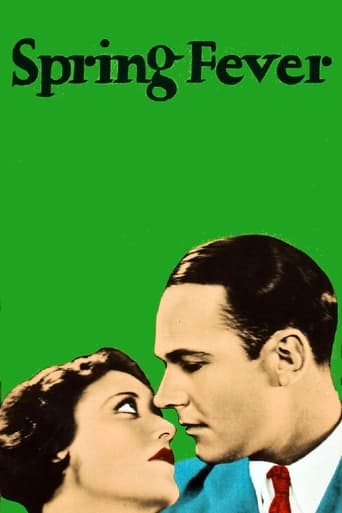
Titles linked here include Some Shimmiers (1920), Spring Fever (1927).
When was Lee Moran born and when did he die?
Born June 10, 1888; died April 24, 1961.
What awards did Lee Moran win?
Lee Moran did not receive any major formal awards during his career, which was common for character actors of his era. The Academy Awards were established late in his career, and supporting actor categories were not yet in place.
What was Lee Moran's acting style?
Lee Moran was known for his physical comedy skills and his ability to create memorable characters with limited screen time. His style emphasized timing, visual gags, and subtle facial expressions that translated well from silent films to talkies.
How did Lee Moran contribute to early Hollywood comedy?
Moran — key member of Hal Roach's comedy stock company and appeared in hundreds of films that helped define American comedy in the silent era. His work demonstrated the importance of supporting players in ensemble comedy and his successful transition to talkies provided a model for other actors.
Why is Lee Moran significant in film history?
Lee Moran represents the thousands of working actors who formed the backbone of Hollywood's Golden Age. His extensive filmography provides valuable documentation of early American comedy, and his career demonstrates how character actors adapted to the technological changes in the film industry.