
Edward Everett Horton
Actor
Born: March 18, 1886 in Brooklyn, New York, USA Died: September 29, 1970 Active: 1922-1970
Films
5 films
About Edward Everett Horton
American character actor: over five decades, from silent films through the Golden Age of Hollywood. Born in 1886, he began his career on the Broadway stage before transitioning to films in the 1920s, quickly establishing himself excelled in comic timing and verbal delivery. Horton developed a unique acting persona characterized by his flustered, aristocratic demeanor, distinctive voice with its precise diction and hesitant delivery, and impeccable comic timing that made him instantly recognizable to audiences. Throughout the 1930s and 1940s, he became one of Hollywood's most reliable supporting players, appearing in over 200 films and working with virtually every major studio. His career continued successfully into the 1950s and 1960s, where he found new audiences through television work and voice acting, most notably as the narrator in the 'Fractured Fairy Tales' segments of Rocky and Bullwinkle. Horton's enduring legacy lies in his ability to create memorable characters with minimal screen time, his influence on subsequent generations of character actors, and his work in voice animation that bridged classic Hollywood and modern entertainment.
The Craft
On Screen
Horton developed a highly distinctive acting style characterized by his flustered, aristocratic delivery, precise diction with a hesitant, stammering quality, and impeccable comic timing. His performances often featured a signature double-take, bewildered expressions, and the ability to convey panic and confusion with subtle physical gestures. He specialized in playing befuddled gentlemen, nervous executives, and comic relief characters who were simultaneously sophisticated and comically inept. His voice work was equally distinctive, with its carefully modulated tones and perfect enunciation that made his narration instantly recognizable.
Milestones
- Broadway debut in 1906
- First film appearance in 1922
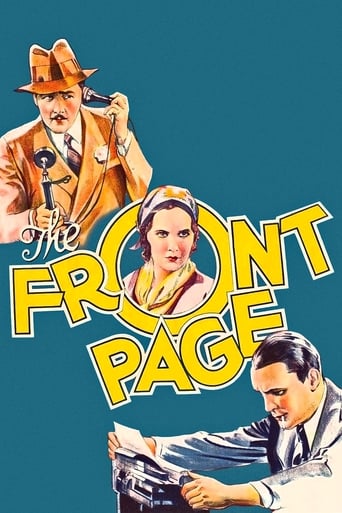
- Breakthrough role in 'The Front Page' (1931)
- Signature supporting roles in 1930s screwball comedies
- Voice work as narrator in 'Fractured Fairy Tales' (1959-1961)
- Star on Hollywood Walk of Fame awarded in 1960
- Final film appearance in 'Cold Turkey' (1971)
Best Known For
Iconic Roles
Must-See Films
Accolades
Won
- Hollywood Walk of Fame Star (1960)
Special Recognition
- Star on Hollywood Walk of Fame at 6427 Hollywood Boulevard
- Recognized as one of Hollywood's most prolific character actors with over 200 film appearances
Working Relationships
Worked Often With
Studios
Why They Matter
Impact on Culture
Edward Everett Horton's impact on cinema extends far beyond his supporting roles, as he essentially created and perfected the archetype of the flustered, sophisticated comic character that would influence generations of character actors. His distinctive vocal delivery and comic timing became so recognizable that it entered the cultural lexicon, with his style being referenced and parodied in numerous films and television shows. Horton's work in early screwball comedies helped define the genre's tone and pacing, providing the perfect counterpoint to the romantic leads with his understated but hilarious reactions. His transition to voice acting in his later years demonstrated remarkable adaptability and helped bridge classic Hollywood entertainment with modern animation, introducing his unique style to new audiences through 'Rocky and His Friends' and 'The Bullwinkle Show'.
Lasting Legacy
Edward Everett Horton's legacy endures through his vast body of work that continues to be celebrated by film enthusiasts and scholars of classic Hollywood cinema. His influence can be seen in the performances of countless character actors who followed, particularly those specializing in comic relief roles in sophisticated comedies. The 'Edward Everett Horton type' became a shorthand in Hollywood for a particular kind of comic character - the dignified but easily flustered gentleman - demonstrating how thoroughly he defined this archetype. His voice work in animation paved the way for other dramatic actors to find success in voice performance, while his extensive filmography serves as a masterclass in supporting performance and comic timing.
Who They Inspired
Horton influenced subsequent generations of character actors through his demonstration of how supporting roles could be both essential to a film's success and memorable in their own right. Actors such as Charles Nelson Reilly, Paul Lynde, and even modern performers like David Hyde Pierce have drawn inspiration from Horton's particular brand of sophisticated comedy. His technique of using precise diction and controlled physicality to create humor influenced the development of television sitcom acting, particularly in shows featuring ensemble casts. Directors like Preston Sturges and Billy Wilder frequently utilized Horton's unique talents, showing how his style could enhance various types of comedy from romantic to satirical.
Off Screen
Edward Everett Horton was known for his private personal life, though he never married or had children. He lived for many years in Encino, California, where he was known for his gracious hospitality and love of entertaining friends from the entertainment industry. Despite his on-screen persona as a flustered bachelor, Horton was described by colleagues as intelligent, well-read, and remarkably composed off-camera. He maintained close friendships with many Hollywood luminaries throughout his long career and was respected for his professionalism and reliability as a character actor.
Education
Attended Oberlin College and Columbia University, studied law before turning to acting
Did You Know?
- — classically trained singer who performed in operettas early in his career
- Appeared in more films with Fred Astaire and Ginger Rogers than any other supporting actor
- Was originally a law student before switching to acting
- His distinctive voice made him one of the first major film actors to successfully transition to television voice work
- Never received an Academy Award nomination despite his prolific career
- Was known for his extensive collection of antique books and art
- Served as a board member of the Screen Actors Guild
- His last film 'Cold Turkey' was released posthumously
- Was a lifelong bachelor who lived with his mother until her death
- His signature double-take reaction was so famous it was often imitated by other comedians
- Spoke fluent French and German
- Was an accomplished painter whose works were exhibited in Los Angeles galleries
In Their Own Words
I'm not a star, I'm a character actor. I'm the fellow who comes on and says, 'Good morning, Mr. Grant,' and then falls down the stairs.
In comedy, timing is everything. In drama, it's also everything, but people don't laugh.
I never wanted to be the leading man. I wanted to be the man the leading man could rely on to make him look good.
The secret to playing comedy is to play it absolutely straight. The moment you think you're being funny, you're not.
I've been playing befuddled gentlemen so long, I'm not sure I remember how to be otherwise.
Frequently Asked Questions
Who was Edward Everett Horton?
American character with credits in this catalog. He was famous for playing flustered, aristocratic gentlemen with his signature hesitant delivery and impeccable comic timing, becoming one of Hollywood's most recognizable supporting actors during the Golden Age.
What films is Edward Everett Horton best known for?
Titles linked here include The Front Page (1931), Trouble in Paradise (1932).
When was Edward Everett Horton born and when did he die?
Born March 18, 1886; died September 29, 1970.
What awards did Edward Everett Horton win?
Despite his prolific career and memorable performances, Edward Everett Horton never received an Academy Award nomination. However, he was honored with a star on the Hollywood Walk of Fame at 6427 Hollywood Boulevard in 1960, recognizing his significant contributions to the entertainment industry.
What was Edward Everett Horton's acting style?
Horton developed a unique acting style characterized by his flustered, aristocratic demeanor, distinctive voice with precise diction and hesitant delivery, and impeccable comic timing. He specialized in playing befuddled gentlemen and nervous authority figures, using subtle physical gestures, signature double-takes, and bewildered expressions to create humor while maintaining an air of sophistication.