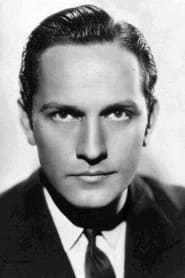
Fredric March
Actor
Born: August 31, 1897 in Racine, Wisconsin, USA Died: April 14, 1975 Active: 1929-1973 Birth Name: Frederick McIntyre Bickel
Films
7 films
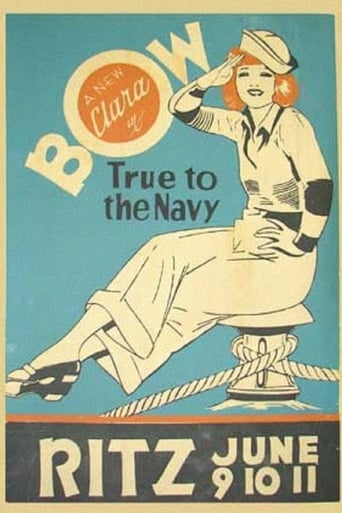
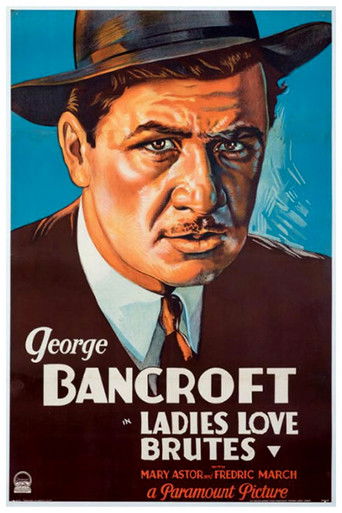
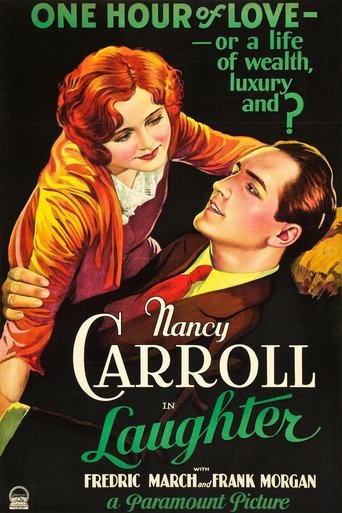
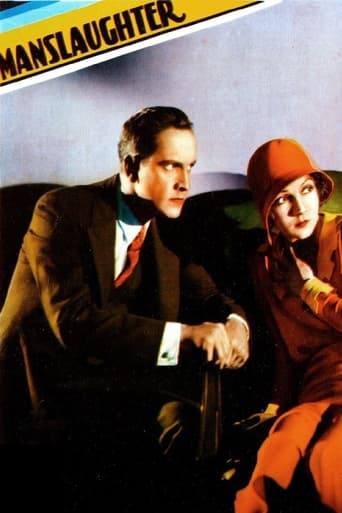
About Fredric March
Fredric March (born Frederick McIntyre Bickel) was actors of Hollywood's Golden Age, renowned for his versatility and intense psychological performances. He began his career on Broadway after serving in World War I, making his film debut in the late 1920s as the transition to sound pictures began. March quickly established himself as a leading man capable of playing both dramatic and comedic roles with equal skill, winning his first Academy Award for Best Actor for his dual performance in 'Dr. Jekyll and Mr. Hyde' (1931). Throughout his career spanning over four decades, he appeared in more than 70 films, often portraying complex, tormented characters with remarkable depth and authenticity. He maintained a successful parallel career on stage, returning to Broadway periodically for acclaimed performances including the original production of 'Death of a Salesman.' March was known for his meticulous preparation method and ability to completely transform into his characters, whether playing historical figures, romantic leads, or contemporary everymen. His later career included memorable performances in 'Inherit the Wind' (1960) and 'Seven Days in May' (1964), cementing his legacy as one of America's most accomplished and respected actors.
The Craft
On Screen
March was known for his intense, psychologically deep performances and remarkable versatility across genres. He employed a method-like approach before Method acting became mainstream, immersing himself completely in his characters through extensive research and preparation. His style combined classical theatrical training with naturalistic film acting, allowing him to portray both grand, theatrical characters like Dr. Jekyll/Mr. Hyde and subtle, realistic performances in contemporary dramas. March had a particular talent for conveying internal conflict and psychological complexity, often playing tormented or dual-natured characters. He was equally adept at comedy and drama, with a commanding screen presence that could shift from menacing to charming within the same performance.
Milestones
- Academy Award for Best Actor - Dr. Jekyll and Mr. Hyde (1931)
- Academy Award for Best Actor - The Best Years of Our Lives (1946)
- Tony Award for Best Actor - Years Ago (1947)
- Tony Award for Best Actor - Long Day's Journey Into Night (1957)
- Successful transition from Broadway to Hollywood
- One of the few actors to win multiple Best Actor Oscars
- Cannes Film Festival Best Actor - Death of a Salesman (1951)
- Returned to stage for acclaimed Death of a Salesman performance
Best Known For
Iconic Roles
Must-See Films
Accolades
Won
- Academy Award for Best Actor - Dr. Jekyll and Mr. Hyde (1931)
- Academy Award for Best Actor - The Best Years of Our Lives (1946)
- Tony Award for Best Actor in a Play - Years Ago (1947)
- Tony Award for Best Actor in a Play - Long Day's Journey Into Night (1957)
- Volpi Cup for Best Actor - Death of a Salesman (1951 Venice Film Festival)
- New York Film Critics Circle Award for Best Actor - The Best Years of Our Lives (1946)
- Golden Globe for Best Actor - The Best Years of Our Lives (1946)
Nominated
- Academy Award nomination for Best Actor - The Royal Family of Broadway (1930)
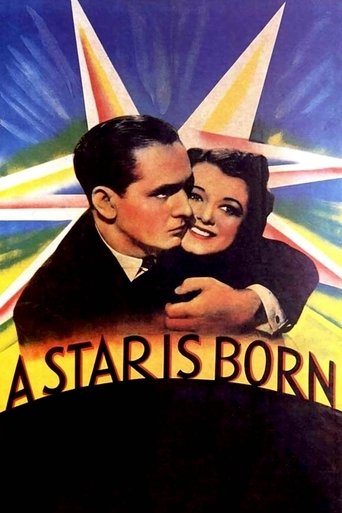
- Academy Award nomination for Best Actor - A Star Is Born (1937)
- Academy Award nomination for Best Actor - I Married a Witch (1942)
- Academy Award nomination for Best Actor - The Man in the Gray Flannel Suit (1956)
- Academy Award nomination for Best Actor - Inherit the Wind (1960)
- BAFTA nomination for Best Foreign Actor - Inherit the Wind (1960)
- Emmy nomination for Outstanding Single Performance - The Price (1971)
Special Recognition
- Hollywood Walk of Fame star at 1610 Vine Street
- American Academy of Arts and Sciences membership
- American Theater Hall of Fame inductee (1973)
- University of Wisconsin honorary doctorate
- National Board of Review Award for Best Acting - Death of a Salesman (1951)
Working Relationships
Worked Often With
Studios
Why They Matter
Impact on Culture
Fredric March significantly influenced the craft of film acting during Hollywood's transition from theatrical to naturalistic styles. His dual Oscar wins in the early decades of the Academy Awards helped establish the prestige of the Best Actor category and demonstrated the possibilities of psychological depth in film performances. March's ability to successfully bridge Broadway and Hollywood created a template for serious actors who wanted to maintain legitimacy in both mediums. His performances in socially relevant films like 'The Best Years of Our Lives' and 'Inherit the Wind' contributed to important cultural conversations about post-war America and intellectual freedom. As one of the first actors to win multiple Oscars, he helped elevate the status of film acting as a serious art form comparable to stage performance.
Lasting Legacy
Fredric March's legacy endures as. His dual Academy Award wins place him among an elite group of actors who achieved the highest recognition from their peers multiple times. March's successful career spanning both stage and screen demonstrated that serious actors could maintain artistic integrity while achieving commercial success in Hollywood. His performances in classic films continue to be studied by actors and film scholars for their psychological complexity and technical precision. The range of his work - from horror to comedy to social drama - showcased the possibilities for actors to avoid typecasting and maintain creative freedom. March's influence can be seen in subsequent generations of actors who prioritized character authenticity and psychological realism over star persona.
Who They Inspired
March influenced subsequent generations of actors through his commitment to character transformation and psychological authenticity, prefiguring the Method acting movement that would dominate Hollywood in the 1950s. His ability to disappear completely into roles, whether playing historical figures or contemporary characters, set a standard for character actors that continues to be emulated. March's success in both dramatic and comedic roles demonstrated the value of versatility at a time when many actors were typecast in specific genres. His theatrical background and rigorous approach to character preparation influenced actors like Spencer Tracy and later method actors who sought to bring depth and authenticity to their performances. March's willingness to tackle controversial and socially relevant material in films like 'Inherit the Wind' and 'The Best Years of Our Lives' helped pave the way for more serious, issue-oriented filmmaking in Hollywood.
Off Screen
Fredric March was known for his stable personal life and long-lasting marriage, which was unusual for Hollywood stars of his era. He married actress Florence Eldridge in 1927, and they remained together until his death in 1975, often performing together on stage and screen. The couple had two adopted children and were known for their liberal political views, supporting civil rights and various progressive causes. March — private individual who avoided the Hollywood social scene, preferring to focus on his craft and family life. He was also a decorated World War I veteran, having served in the United States Army and was wounded in action. Later in life, he became involved in various charitable causes and was a passionate supporter of the arts and education.
Education
University of Wisconsin–Madison (attended but did not graduate), Winslow School of Art (New York), American Academy of Dramatic Arts
Family
- Florence Eldridge (1927-1975)
Did You Know?
- He was one of the few actors to win two Academy Awards for Best Actor
- His birth name was Frederick McIntyre Bickel
- He was wounded in World War I and received the French Croix de Guerre
- He turned down the role of Rhett Butler in 'Gone with the Wind'
- He was a Republican who supported Democratic candidates
- He was the first actor to win the Tony Award for Best Actor twice
- He was offered the role of Willy Loman in the film version of 'Death of a Salesman' but declined
- He was a skilled painter and artist in his spare time
- He was good friends with fellow actor Spencer Tracy
- He was one of the founding members of the Screen Actors Guild
- He was rejected by the Army in World War II due to his age and previous injuries
- His Oscar for 'Dr. Jekyll and Mr. Hyde' was shared with Wallace Beery in a rare tie
- He performed in radio adaptations of many of his famous films
- He was known for his extensive research and preparation for each role
- He was a lifelong supporter of the University of Wisconsin
In Their Own Words
Acting is not about being someone different. It's finding the similarity in what is apparently different, then finding myself in there.
I'm an actor, not a star. Stars are people who live in Hollywood and have heart-shaped swimming pools.
The theater is the only branch of art much cared for by people of wealth.
I have always felt that an actor has to be truthful to himself and to the character he's playing.
The camera is a wonderful instrument for a certain kind of acting, but it can also be a liar.
I'd rather be a failure in something I love than a success in something I hate.
Frequently Asked Questions
Who was Fredric March?
Highly acclaimed American with credits in this catalog. He won two Academy Awards for Best Actor and had a career spanning both film and Broadway theater, appearing in over 70 films from 1929 to 1973.
What films is Fredric March best known for?
Titles linked here include Dr. Jekyll and Mr. Hyde (1931), A Star Is Born (1937).
When was Fredric March born and when did he die?
Born August 31, 1897; died April 14, 1975.
What awards did Fredric March win?
March won two Academy Awards for Best Actor, two Tony Awards for Best Actor, a Volpi Cup from the Venice Film Festival, and numerous other honors including a Golden Globe and New York Film Critics Circle Award. He was one of the few actors to achieve the rare feat of winning multiple Oscars in the lead category.
What was Fredric March's acting style?
March was known for his intense, psychologically deep performances and remarkable versatility, employing a method-like approach before Method acting became mainstream. His style combined classical theatrical training with naturalistic film acting, allowing him to portray both grand, theatrical characters and subtle, realistic performances with equal skill.
Was Fredric March married and did he have children?
March was married to actress Florence Eldridge from 1927 until his death in 1975, one of Hollywood's most stable and enduring marriages. They had two adopted children, a daughter named Penelope and a son named Anthony, and often performed together on stage and screen.
What was Fredric March's background before acting?
Before becoming an actor, March served in World War I where he was wounded and received the French Croix de Guerre. He attended the University of Wisconsin but left to pursue acting, studying at the American Academy of Dramatic Arts and beginning his career on Broadway before transitioning to films in 1929.