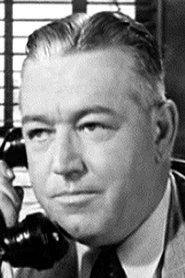
Bert Moorhouse
Actor
Born: September 28, 1894 in Chicago, Illinois, USA Died: January 26, 1960 Active: 1920-1958 Birth Name: Albert Moorhouse
Films
1 film
About Bert Moorhouse
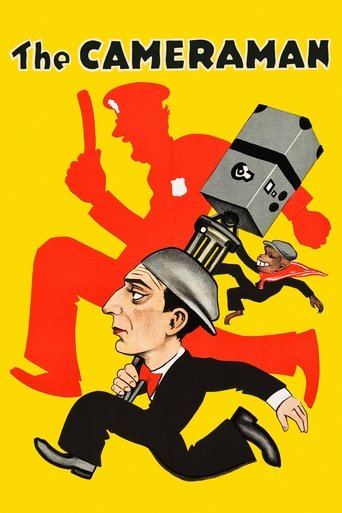
American character actor who enjoyed a remarkably prolific career spanning nearly four decades in Hollywood, appearing in over 300 films between 1920 and 1958. Born Albert Moorhouse in Chicago, he began his film career during the silent era and notably appeared in Buster Keaton's classic comedy 'The Cameraman' (1928), one of his few credited roles. Moorhouse successfully navigated the challenging transition from silent films to talkies, demonstrating his adaptability as a performer. Throughout the Golden Age of Hollywood, he worked extensively with major studios including MGM, Warner Bros., and Paramount, becoming recognizable faces in supporting roles even when audiences didn't know his name. His tall stature and distinctive features often led to casting as authority figures, businessmen, and officials, roles he played with naturalistic authenticity. Despite never achieving leading man status, Moorhouse's reliability and versatility made him an invaluable asset to studio casting departments. By the time of his death in 1960, he had on cinema as one of Hollywood's most prolific and dependable character actors.
The Craft
On Screen
Moorhouse — versatile character actor known for his naturalistic and understated performances that brought authenticity to supporting roles. With his tall stature and distinctive facial features, he specialized in portraying authority figures, businessmen, and officials with a stern but believable presence. His acting style was subtle and professional, allowing him to blend seamlessly into the background of scenes while still making an impression. Moorhouse had the ability to convey character and authority with minimal dialogue or screen time, making him particularly valuable in the studio system where efficiency was prized.
Milestones
- Appeared in over 300 films during his career
- Successfully transitioned from silent films to talkies
- Worked with major Hollywood studios including MGM and Warner Bros
- Had a career spanning nearly four decades
- Appeared in numerous classic films including 'The Cameraman' (1928)
Best Known For
Iconic Roles
Must-See Films
Working Relationships
Worked Often With
Studios
Why They Matter
Impact on Culture
Bert Moorhouse's cultural impact lies in his embodiment of the unsung heroes of Hollywood's Golden Age – the reliable character actors who provided the essential texture and authenticity to hundreds of classic films. While never a star, his face appears in some of the most beloved and culturally significant movies in cinema history, making him a familiar presence to generations of film viewers. For classic movie enthusiasts and film scholars, Moorhouse has become something of a 'Where's Waldo' figure, with fans taking pleasure in spotting him across different films and eras. His career shows the importance of supporting actors in creating believable cinematic worlds, and his filmography provides a visual thread connecting different decades of Hollywood filmmaking from the late silent period through the decline of the studio system.
Lasting Legacy
Bert Moorhouse's legacy is that of one of Hollywood's most prolific and reliable character actors, whose face graced over 300 films during the Golden Age of cinema. Though often uncredited and never achieving stardom, his contributions to classic films were immeasurable, providing the essential background presence that made studio productions feel authentic and complete. Today, he is celebrated by film historians and classic cinema enthusiasts who recognize the vital role that actors like Moorhouse played in creating the magic of Hollywood's golden era. His remarkable filmography serves as a valuable resource for understanding the depth and breadth of Hollywood's studio system, while his career longevity demonstrates how a talented character actor could maintain steady employment across decades of changing cinematic styles and technologies.
Who They Inspired
As a supporting character actor rather than a star or director, Bert Moorhouse's direct influence on other performers is difficult to trace through documented mentorship or acknowledged artistic influence. However, his career serves as an inspiration for character actors who seek longevity in the film industry without necessarily achieving celebrity status. Moorhouse demonstrated how versatility, reliability, and professionalism could sustain a career spanning nearly four decades in Hollywood's competitive environment. His ability to transition successfully from silent films to talkies provided a model for other actors facing the technological and artistic challenges of the late 1920s. For contemporary character actors, Moorhouse's career represents the possibility of making meaningful contributions to cinema while working primarily in supporting roles.
Off Screen
Despite his prolific film career, Bert Moorhouse maintained a relatively private personal life away from the Hollywood spotlight. As a character actor rather than a major star, his personal life was not extensively documented in the press or entertainment media. He was known among his colleagues as a reliable and professional actor who took his craft seriously, regardless of the size of his roles. Moorhouse represented the thousands of working actors who formed the backbone of Hollywood's Golden Age, dedicating their lives to their craft without achieving celebrity status.
Did You Know?
- Appeared in over 300 films during his career, though often uncredited
- Can be spotted in some of Hollywood's most iconic films, including 'The Wizard of Oz' and 'Casablanca'
- Successfully transitioned from silent films to sound pictures without interruption in his career
- His real name was Albert Moorhouse, but he used 'Bert' professionally
- Worked steadily for nearly four decades in Hollywood without ever becoming a major star
- Often played authority figures due to his tall stature and distinctive appearance
- His final film appearance was in 1958, just two years before his death
- Despite his prolific career, he never received major acting awards or nominations
- Born in Chicago but made his entire career in Hollywood
- His filmography spans the entire Golden Age of Hollywood, from the late silent era through the 1950s
- Appeared in films with nearly every major star of the Golden Age, though rarely in scenes with them
- Was part of what Hollywood insiders called 'the background army' – reliable character actors who could be counted on for any production
Frequently Asked Questions
Who was Bert Moorhouse?
Screen credits include over 300 films from the silent era through the 1950s, often in uncredited supporting roles. Despite never achieving stardom, his face can be spotted in many of Hollywood's classic films, including 'The Cameraman' (1928), 'The Wizard of Oz' (1939), and 'Casablanca' (1942).
What films is Bert Moorhouse best known for?
Titles linked here include The Cameraman (1928), The Wizard of Oz (1939).
When was Bert Moorhouse born and when did he die?
Born September 28, 1894; died January 26, 1960.
What awards did Bert Moorhouse win?
Bert Moorhouse did not receive major acting awards or nominations during his career, as he primarily worked in supporting and uncredited roles. His recognition comes from his prolific filmography and the esteem of classic film enthusiasts who appreciate character actors.
What was Bert Moorhouse's acting style?
Moorhouse — versatile character actor known for his naturalistic and understated performances. With his tall stature and distinctive features, he was often cast as authority figures, officials, or businessmen, bringing authenticity to supporting roles without overshadowing the stars.
How many films did Bert Moorhouse appear in?
Bert Moorhouse appeared in over 300 films during his career spanning from 1920 to 1958, making him one of Hollywood's most prolific character actors of the Golden Age.
Was Bert Moorhouse in 'The Wizard of Oz'?
Yes, Bert Moorhouse had a small uncredited role in 'The Wizard of Oz' (1939), one of the many classic films in which he appeared as a background character.