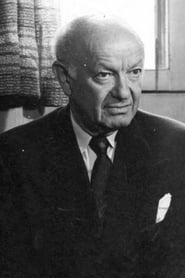
Tenen Holtz
Actor
Born: July 16, 1887 in Poland Died: August 1, 1971 Active: 1928-1928
Films
5 films

About Tenen Holtz
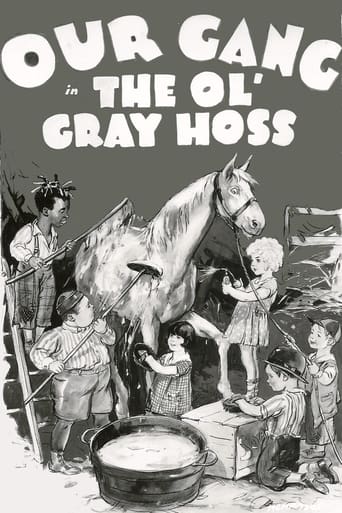
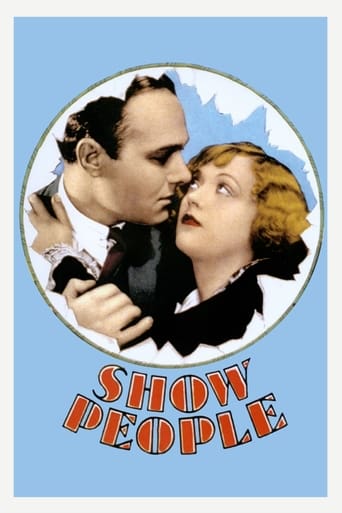
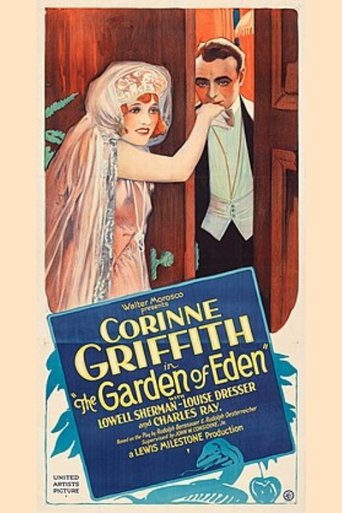
American actor who had a brief but notable career during the transition from silent films to early talkies in the late 1920s. His entire known filmography consists of three films released in 1928, placing him at a pivotal moment in cinema history. Tenen appears in 'The Ol' Gray Hoss,' a silent western comedy, 'Show People,' a celebrated MGM comedy about Hollywood starring Marion Davies and directed by King Vidor, and 'The Garden of Eden,' a drama film. His role in 'Show People' was particularly significant as it was acclaimed comedies of 1928 and provided a satirical look at the film industry itself. Like many character actors of the silent era, Holtz's career was likely impacted by the transition to sound films, which required different acting techniques and often led to the displacement of many silent film performers. Though his screen time was brief, his appearances in these notable productions of 1928 place him within the historical context of Hollywood's golden transition period.
The Craft
Milestones
- Appeared in three films in 1928 during the silent-to-talkies transition
- Worked on MGM's 'Show People' directed by King Vidor
- Participated in the late silent era's final wave of productions
Best Known For
Iconic Roles
Must-See Films
Working Relationships
Worked Often With
Studios
Why They Matter
Impact on Culture
Tenen Holtz represents the thousands of character actors and bit players who populated Hollywood films during the silent era but whose careers were brief and largely undocumented. His appearance in 'Show People' (1928) is culturally significant as this film serves as a time capsule of Hollywood's transition period, satirizing the film industry while it was undergoing massive technological changes. Though his individual contribution was small, actors like Holtz formed the essential foundation that supported the stars and major productions of the era. His brief career exemplifies the precarious nature of acting work during this transformative period in cinema history, where many performers found their careers ended with the advent of sound.
Lasting Legacy
Tenen Holtz's legacy is primarily historical, serving as an example of the transient nature of fame in early Hollywood and the thousands of performers who briefly appeared during cinema's formative years. His film appearances, particularly in 'Show People,' are preserved as part of the historical record of late silent cinema. While he never achieved stardom or lasting recognition, his inclusion in these notable productions of 1928 ensures his place in film history as a representative figure of the era's supporting actors. His story illustrates how many actors from the silent era have been largely forgotten despite their contributions to important films of the period.
Who They Inspired
Due to his brief career and limited filmography, Tenen Holtz did not have a significant influence on other actors or directors. His work serves more as a historical artifact than as an influential artistic statement. However, his participation in 'Show People' contributes to the film's value as a document of Hollywood's self-reflection during the silent era, which has influenced subsequent films about the film industry.
Off Screen
Tenen Holtz was born in Poland in 1887 and later immigrated to the United States, where he pursued a brief acting career in Hollywood during the late 1920s. After his short stint in films, he appears to have left the entertainment industry and lived a relatively private life. He passed away in August 1971 at the age of 84, having outlived the silent film era by several decades. Details about his family life, marriages, or activities outside his brief film career remain largely undocumented in historical records.
Did You Know?
- His entire known filmography consists of only three films, all released in 1928
- He appeared in 'Show People,'
- His career coincided with the transition from silent films to talkies
- He was born in Poland but became an American actor
- He lived to be 84 years old, long outliving his film career
- All film credits listed here fall in a single year
- He worked with major MGM productions despite being a minor actor
- His birth name was the same as his stage name
- He represents the many immigrant actors who found work in early Hollywood
- His death occurred 43 years after his last known film appearance
Frequently Asked Questions
Who was Tenen Holtz?
American with credits in this catalog.
What films is Tenen Holtz best known for?
Titles linked here include Show People (1928), The Ol' Gray Hoss (1928).
When was Tenen Holtz born and when did he die?
Born July 16, 1887; died August 1, 1971.
What awards did Tenen Holtz win?
There are no records of Tenen Holtz receiving any major awards or nominations for his work in film, which was typical for character actors with brief careers in the silent era.
What was Tenen Holtz's acting style?
Specific details about Tenen Holtz's acting style are not well-documented, but as a silent era actor, he would have used the exaggerated physical expressions and gestures typical of the period.
Why was Tenen Holtz's career so short?
Holtz's brief career coincided with the challenging transition from silent films to talkies in 1928, a period when many actors, especially those in supporting roles, found their careers disrupted by the new technology and changing industry demands.