

Marion Davies
Actor
Born: January 3, 1897 in Brooklyn, New York, USA Died: September 22, 1961 Active: 1916-1937 Birth Name: Marion Cecilia Douras
Films
14 films


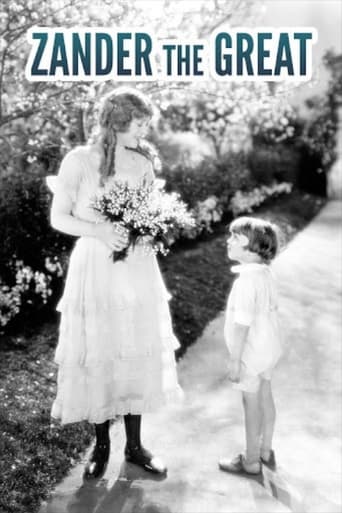
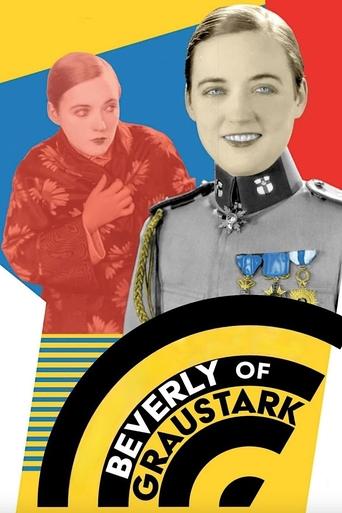
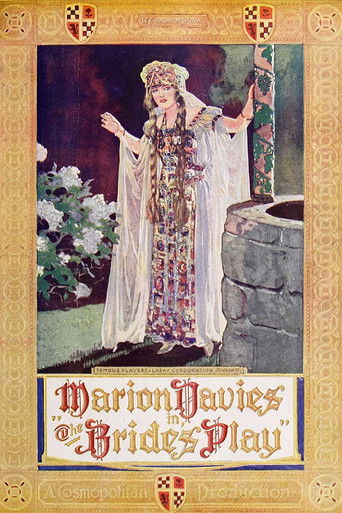


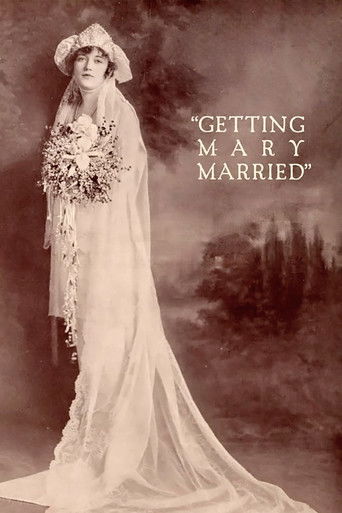
About Marion Davies
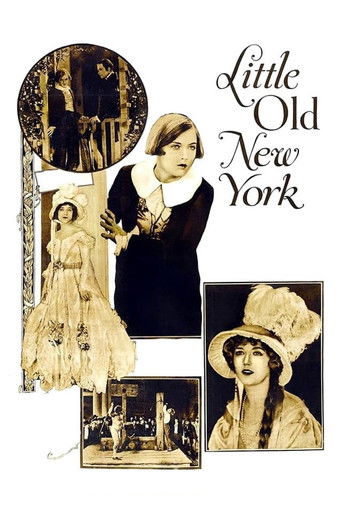
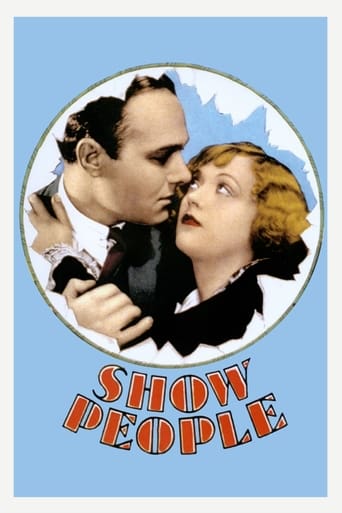
Marion Davies was prominent actresses of the silent era and early sound period, whose career was inextricably linked to her relationship with newspaper magnate William Randolph Hearst. Born Marion Cecilia Douras in Brooklyn, she began her career as a model and chorus girl before being discovered by film producer George Loane Tucker in 1916. Hearst, who became her devoted companion and benefactor, used his vast media empire to promote her career and established Cosmopolitan Productions specifically to produce her films. While Hearst insisted she play dramatic roles in lavish productions, Davies's true talent lay in comedy, where her natural wit, charm, and physical comedy skills shone brightest. Her most successful period was the 1920s, when she starred in hits like 'Little Old New York' and 'Show People,' which showcased her comedic genius. With the transition to sound, her career waned, though she did have some success in early talkies before retiring from acting in the mid-1930s. After Hearst's death in 1951, Davies devoted herself to philanthropy, particularly children's charities, and became a beloved figure in Hollywood society until her death in 1961.
The Craft
On Screen
Marion Davies possessed a natural comedic talent characterized by her expressive eyes, charming demeanor, and impeccable timing. Despite being forced into dramatic roles by Hearst, she excelled in light comedy and romantic farce, where her ability to convey both innocence and mischief made her performances endearing. Her style was often compared to that of a pixie or sprite, with a natural grace and warmth that translated well to the camera. In her comedic roles, she demonstrated a remarkable ability to blend physical comedy with subtle facial expressions, making her particularly effective in silent films where visual storytelling was paramount.
Milestones
- Film debut in 'The Bride of Hate' (1917)
- Breakthrough role in 'The Restless Sex' (1920)
- Star of the expensive production 'When Knighthood Was in Flower' (1922)
- Critical and commercial success with 'Show People' (1928)
- Transition to sound with 'The Hollywood Revue of 1929'
- Final film appearance in 'Page Miss Glory' (1935)
Best Known For
Iconic Roles
Must-See Films
Accolades
Won
- Photoplay Medal of Honor for 'Show People' (1928)
- Hollywood Walk of Fame Star (1960)
Nominated
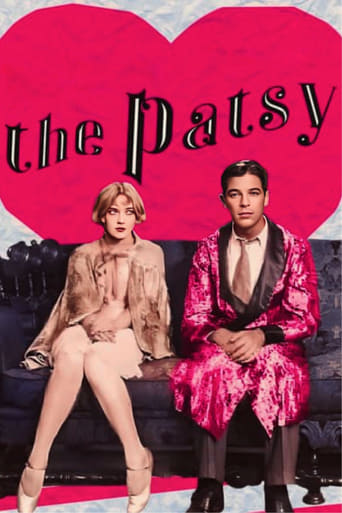
- Academy Award nomination for Best Actress for 'The Patsy' (1929, first year of Oscars)
Special Recognition
- Hollywood Walk of Fame Star at 6326 Hollywood Boulevard
- Inducted into the International Best Dressed List Hall of Fame
- Marion Davies Children's Clinic established in her honor
- Retrospective at Museum of Modern Art (1970s)
Working Relationships
Worked Often With
Studios
Why They Matter
Impact on Culture
Marion Davies represents both the glamour and the complexities of Golden Age Hollywood stardom. Her career exemplifies how personal relationships could both elevate and constrain artistic potential in the studio system. While often unfairly remembered primarily through the fictionalized Susan Alexander character in 'Citizen Kane,' modern film scholarship has rediscovered and celebrated her genuine comedic talents and contributions to cinema. Her lavish productions, financed by Hearst, helped establish the blockbuster mentality that would come to dominate Hollywood, and her successful transition from silent to sound films demonstrated remarkable adaptability. Davies's philanthropic work, particularly her support of children's charities and the establishment of the Marion Davies Children's Clinic, created a lasting positive impact on Los Angeles communities that extended far beyond her film career.
Lasting Legacy
Marion Davies's legacy has undergone significant reevaluation by film historians and critics who now recognize her as a talented comedian whose dramatic career was largely imposed upon her. Her best comedies, particularly 'Show People' and 'The Patsy,' are now regarded as classics of silent comedy that showcase her natural wit and charm. The preservation and restoration of her films by archives like The Museum of Modern Art have allowed new generations to appreciate her genuine talent. Her life story, including her relationship with Hearst and her role as a Hollywood hostess at San Simeon, has become an essential part of Hollywood mythology and has been the subject of numerous books and documentaries. Perhaps most importantly, Davies's career serves as a cautionary tale about the dangers of typecasting and the importance of allowing artists to work in their natural forte.
Who They Inspired
Marion Davies influenced subsequent generations of comic actresses through her naturalistic style and ability to blend charm with comedy. Her success in romantic comedies helped establish the template for the screwball comedy heroines of the 1930s. Contemporary actresses like Carole Lombard and Jean Harlow studied her techniques for timing and expression. Her business acumen, demonstrated through her management of her own finances despite Hearst's control, set an example for performers seeking greater autonomy in their careers. The way she navigated the transition from silent to sound films provided a model for other actors facing the same challenge. Her philanthropic work also established a pattern for celebrities using their fame for charitable causes that continues to influence Hollywood today.
Off Screen
Marion Davies was the youngest of five children born to Bernard J. Douras, a lawyer and judge, and Rose Reilly. Her family was well-to-do, and she received a good education including attendance at a convent school. Her relationship with William Randolph Hearst, though never formalized through marriage, lasted from 1917 until his death in 1951, making it one of Hollywood's most famous long-term partnerships. Despite never marrying Hearst, she was a devoted companion and hostess at his San Simeon estate, where she entertained Hollywood's elite. After Hearst's death, she married actor Horace G. Brown in 1951, but the marriage was unhappy and they separated in 1954. Davies had no children of her own but was devoted to her nieces and nephews and became a passionate advocate for children's charities in her later years.
Education
Attended Convent of the Sacred Heart in New York City, graduated in 1913
Family
- Horace G. Brown (1951-1954, separated)
Did You Know?
- Her stage name 'Davies' was taken from her brother-in-law's name, as there was already an actress named Marion Douras
- She was a talented cartoonist and often drew caricatures of Hollywood friends
- Her estate in Beverly Hills, known as 'The House,' was designed for her by architect Gordon Kaufmann
- She was an accomplished horsewoman and kept stables at San Simeon
- Despite being typecast in dramatic roles, she desperately wanted to do comedy and would sneak into costume fittings for comedic roles
- She was one of the few actresses who successfully negotiated profit participation in her films
- Her 1922 film 'When Knighthood Was in Flower' was
- She was a close friend of many Hollywood legends, including Clark Gable, Carole Lombard, and Joan Crawford
- She never legally married William Randolph Hearst, though they were together for over 30 years
- Her ghost is said to haunt the former site of her beach house in Santa Monica
In Their Own Words
'I'd rather have a small part in a good picture than a big part in a bad one.' - On her approach to film selection
'Comedy is much harder to play than drama. Anybody can weep, but it takes a real artist to make people laugh.' - On her preference for comedy
'I'm not a great actress. I'm a good actress.' - Her characteristic modesty about her talents
'Bill wanted me to be a great dramatic actress, but I was born to be a comedienne.' - On Hearst's influence on her career
'The trouble with being a star is that you can't go anywhere without being recognized. Sometimes I just want to be Marion Douras again.' - On the burdens of fame
Frequently Asked Questions
Who was Marion Davies?
Prominent American actress of the silent era and early sound period, best known for her comedic talents and her long-term relationship with newspaper magnate William Randolph Hearst. Despite being forced into dramatic roles by Hearst, she excelled in comedy and starred in several successful films including 'Show People' and 'The Patsy'.
What films is Marion Davies best known for?
Titles linked here include Show People (1928), The Patsy (1928).
When was Marion Davies born and when did she die?
Born January 3, 1897; died September 22, 1961.
What awards did Marion Davies win?
Marion Davies received the Photoplay Medal of Honor for 'Show People' in 1928 and was nominated for an Academy Award for Best Actress for 'The Patsy' in the first year of the Oscars. She was also honored with a star on the Hollywood Walk of Fame in 1960.
What was Marion Davies's acting style?
Marion Davies possessed a natural comedic style characterized by her expressive eyes, charming demeanor, and impeccable timing. She excelled in light comedy and romantic farce, where her ability to convey both innocence and mischief made her performances particularly endearing in silent films.
Was Marion Davies married to William Randolph Hearst?
No, Marion Davies was never legally married to William Randolph Hearst, though they were together from 1917 until his death in 1951. She did briefly marry actor Horace G. Brown in 1951, but the marriage was unhappy and they separated in 1954.
How did 'Citizen Kane' affect Marion Davies's reputation?
The character Susan Alexander in 'Citizen Kane' was widely believed to be based on Marion Davies, unfairly suggesting she was a talentless actress promoted by Hearst. This misconception damaged her reputation for decades, though modern film scholarship has since recognized her genuine comedic talents and contributions to cinema.
What was Marion Davies's legacy in Hollywood?
Marion Davies's legacy includes her significant contributions to silent comedy, her successful transition to sound films, and her philanthropic work, particularly the Marion Davies Children's Clinic. Her life story has become an essential part of Hollywood mythology, and her best films are now recognized as classics that showcase her natural comedic talent.