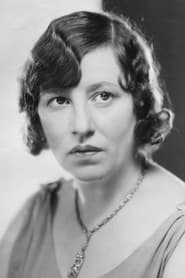
Polly Moran
Actor
Born: June 28, 1883 in Chicago, Illinois, USA Died: October 25, 1952 Active: 1914-1947 Birth Name: Pauline Theresa Moran
Films
4 films

About Polly Moran
Prolific American character actress: over three decades in Hollywood, beginning in the silent era and continuing successfully into the sound era. Born Pauline Theresa Moran in Chicago, she started her entertainment career as a vaudeville performer before transitioning to films in 1914. She signed with MGM in the 1920s and became one of the studio's most reliable supporting players, known for her distinctive appearance and comedic timing. Moran found her greatest success when paired with Marie Dressler, with whom she formed a memorable comedy duo in films like 'The Divorcee' (1930) and 'Emma' (1932). Her career flourished throughout the 1930s, appearing in numerous MGM productions as a wisecracking maid, nosy neighbor, or comic relief character. Despite never achieving leading lady status, her recognizable face and distinctive voice made her one of Hollywood's busiest character actresses. Moran continued working through the 1940s, though her roles became smaller as the studio system evolved. She retired from acting in 1947 after appearing in over 200 films, leaving behind a legacy as one of cinema's most beloved character actresses.
The Craft
On Screen
Polly Moran specialized in broad comedy with a distinctive, down-to-earth persona. Her acting style was characterized by her rapid-fire delivery, expressive face, and ability to steal scenes with minimal screen time. She often played working-class characters with a sharp tongue and a heart of gold, using her physical comedy and timing to great effect. Her distinctive appearance, including her round face and expressive eyes, made her instantly recognizable to audiences.
Milestones
- Signed with MGM in the 1920s as part of their stock company
- Formed successful comedy partnership with Marie Dressler
- Appeared in over 200 films during her career
- Successfully transitioned from silent films to talkies
- Starred in 'Red-Headed Woman' (1932) with Jean Harlow
Best Known For
Iconic Roles
Must-See Films
Accolades
Special Recognition
- Hollywood Walk of Fame star located at 6400 Hollywood Boulevard
Working Relationships
Worked Often With
Studios
Why They Matter
Impact on Culture
Polly Moran represented the working-class woman in Hollywood films during the Golden Age, bringing authenticity and humor to roles that might otherwise have been overlooked. Her partnership with Marie Dressler created one of early cinema's most beloved female comedy teams, challenging the male-dominated comedy landscape of the 1930s. As a character actress who never became a star, she exemplified the importance of supporting players in creating memorable films. Her ability to transition from silent to sound films demonstrated the adaptability required of actors during this technological revolution in cinema.
Lasting Legacy
Polly Moran's legacy endures through her extensive body of work and the path she helped forge for character actresses in Hollywood. She proved that one didn't need to be a glamorous leading lady to have a successful and lasting career in films. Her films with Marie Dressler remain classics of early sound comedy, studied by film historians for their naturalistic dialogue and timing. As part of MGM's golden age stock company, she contributed to dozens of classic films that continue to be celebrated today. Her Hollywood Walk of Fame star ensures that her contributions to cinema are permanently recognized.
Who They Inspired
Moran influenced generations of character actresses by demonstrating the value of comic timing and distinctive personality in supporting roles. Her success showed that studios needed reliable character actors to flesh out their productions, helping establish the importance of stock companies in the studio system. Contemporary character actresses often cite performers like Moran as pioneers who proved that memorable performances didn't require star billing. Her naturalistic style in early talkies helped establish the template for comedic character acting in sound films.
Off Screen
Polly Moran was known for being a private person off-screen, though her personal life had its share of drama. She married actor and director Earle Foxe in 1935, and they remained married until her death in 1952. Unlike many Hollywood stars of her era, she maintained a relatively low-profile personal life, focusing on her craft rather than seeking publicity. She was known among her colleagues as a professional and reliable actress who was well-liked throughout the studio system.
Education
Limited formal education, trained in vaudeville theater
Family
- Earle Foxe (1935-1952)
Did You Know?
- Began her career in vaudeville at age 16
- Appeared in over 200 films during her 33-year career
- Was only 5 feet tall but had a larger-than-life screen presence
- Her partnership with Marie Dressler began when both were struggling actresses
- Often played characters much older than her actual age
- Was one of the few silent-era stars to successfully transition to talkies
- Her distinctive voice and accent made her immediately recognizable in sound films
- Despite her success, she never earned more than $500 per week at the height of her career
- Retired from films in 1947 due to health issues
- Died of a heart attack at age 69
In Their Own Words
I never wanted to be a star. I just wanted to work and make people laugh.
Being a character actress is better than being a star - you get to work all the time and nobody bothers you.
Marie [Dressler] and I didn't have to act. We just looked at each other and the audience laughed.
Frequently Asked Questions
Who was Polly Moran?
Screen credits include over 200 films from the silent era through the 1940s. She was best known for her comedic roles, particularly her partnership with Marie Dressler at MGM. Despite never achieving leading lady status, she became one of Hollywood's most recognizable supporting players.
What films is Polly Moran best known for?
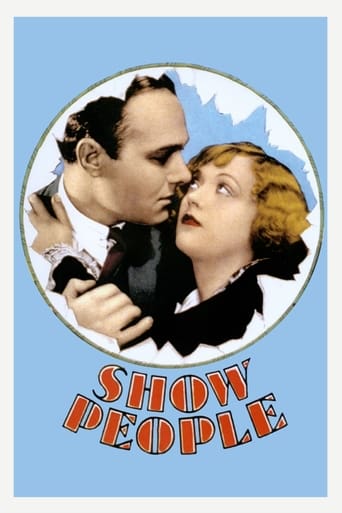
Titles linked here include Show People (1928), The Divorcee (1930).
When was Polly Moran born and when did she die?
Born June 28, 1883; died October 25, 1952.
What awards did Polly Moran win?
While Polly Moran did not win major acting awards during her career, she received a posthumous honor with a star on the Hollywood Walk of Fame at 6400 Hollywood Boulevard, recognizing her significant contributions to the film industry.
What was Polly Moran's acting style?
Polly Moran specialized in broad comedy with a distinctive, down-to-earth persona characterized by rapid-fire delivery, expressive face, and excellent comic timing. She often played working-class characters with sharp tongues and hearts of gold, using her physical comedy and distinctive appearance to create memorable supporting roles.