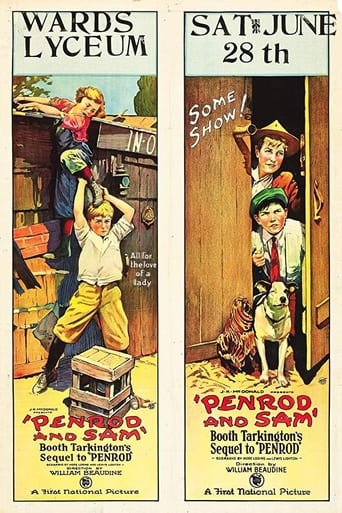
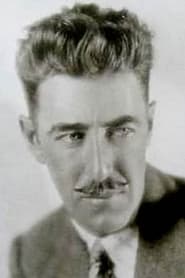
William Beaudine
Actor & Director
Born: January 15, 1892 in New York City, New York, USA Died: March 18, 1970 Active: 1912-1969 Birth Name: William Joseph Beaudine
Films
6 films
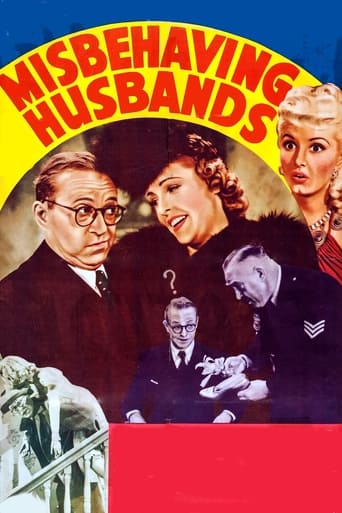
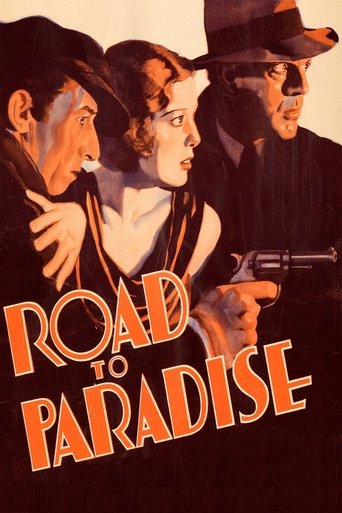
About William Beaudine
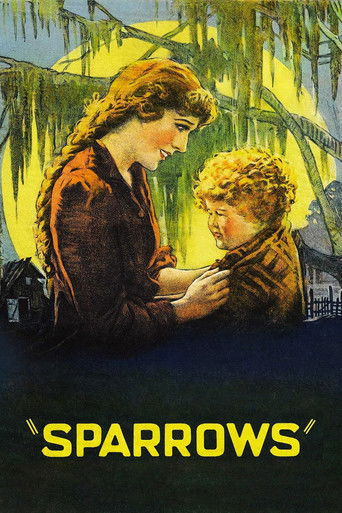
William Beaudine was one of Hollywood's most prolific and efficient directors, with a career spanning over 50 years and more than 350 films to his credit. Beginning his career in the silent era, he quickly established himself as a reliable director who could deliver quality films on tight schedules and budgets. His nickname 'One Shot' Beaudine came from his ability to capture scenes in minimal takes, a skill that made him invaluable to studios. During the 1920s, he directed several notable films including the Mary Pickford vehicle 'Sparrows' (1926), which showcased his ability to handle dramatic material. As the industry transitioned to sound, Beaudine seamlessly adapted his techniques and continued working steadily through the 1930s and 1940s, directing everything from comedies to dramas. His later career saw him working extensively in television and directing numerous films for low-budget producers like Monogram and Allied Artists. Despite never achieving critical acclaim as an auteur, Beaudine's remarkable longevity and productivity made him an essential figure in Hollywood's studio system.
The Craft
Behind the Camera
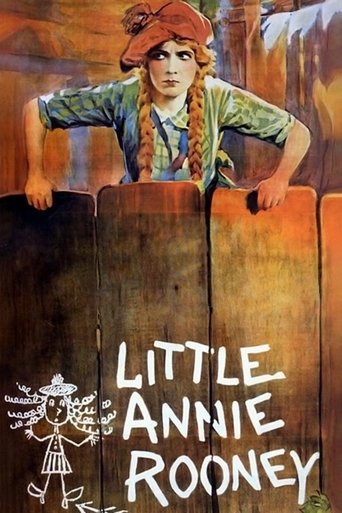
Known for his incredible efficiency and speed, often completing scenes in one take, earning him the nickname 'One Shot' Beaudine. His directing style was pragmatic and professional, focusing on clear storytelling and meeting production deadlines rather than artistic experimentation. Beaudine was particularly skilled at working with child actors and handling family-oriented material, as demonstrated in films like 'Sparrows' and 'Little Annie Rooney'. His approach was technically competent and reliable, making him a favorite of producers who needed films completed quickly and economically.
Milestones
- Directed Mary Pickford in 'Sparrows' (1926)
- Earned nickname 'One Shot' Beaudine for efficiency
- Directed over 350 films in his career
- Transitioned successfully from silent to sound films
- Pioneered television direction in the 1950s
- Directed numerous Bowery Boys films in the 1940s-1950s
Best Known For
Must-See Films
Accolades
Won
- Hollywood Walk of Fame Star (1960)
Special Recognition
- Hollywood Walk of Fame Star for Motion Pictures at 6554 Hollywood Boulevard
- Recognized as one of Hollywood's most prolific directors
Working Relationships
Worked Often With
Studios
Why They Matter
Impact on Culture
William Beaudine's impact on cinema lies primarily in his demonstration of how efficiency and reliability could sustain a long career in Hollywood's studio system. His ability to deliver quality work under extreme time and budget constraints set a standard for professional filmmaking that influenced generations of directors. Beaudine proved that commercial success didn't require artistic pretension, and his work ethic became legendary within the industry. His transition from silent films to sound, and later to television, demonstrated remarkable adaptability that many of his contemporaries lacked. The sheer volume of his output (over 350 films) means his work represents a significant portion of Hollywood's production history, particularly in the B-movie and family entertainment sectors.
Lasting Legacy
William Beaudine's legacy is that of Hollywood's ultimate workhorse director, a man who embodied the studio system's emphasis on productivity and reliability. While never considered an auteur, his films continue to be studied for their technical competence and efficient storytelling. The nickname 'One Shot' Beaudine has become part of Hollywood lore, symbolizing the kind of practical filmmaking that kept studios profitable. His extensive work with child actors, particularly in films like 'Sparrows,' helped establish techniques for directing young performers that are still referenced today. Beaudine's later career in television helped bridge the gap between Hollywood's golden age and modern television production methods.
Who They Inspired
Beaudine influenced countless filmmakers through his demonstration of how to work efficiently without sacrificing quality. His techniques for rapid shooting and preparation became standard practices in television production. Many directors who followed him, particularly those working in television and low-budget film, adopted his pragmatic approach to filmmaking. His success in directing child actors influenced how subsequent generations handled young performers. Beaudine's career longevity also showed that adaptability was crucial for survival in the rapidly changing film industry, a lesson that resonated with many Hollywood professionals.
Off Screen
William Beaudine was married twice during his lifetime. His first marriage was to actress Helen Ferguson in 1918, though they later divorced. He later married Margaret Hyams, with whom he remained until his death. Beaudine was known as a family man and maintained a stable personal life despite the demands of his incredibly busy career. He had two sons, William Jr. And Robert, both of whom occasionally worked in the film industry. Unlike many Hollywood figures of his era, Beaudine managed to avoid major scandals and maintained a reputation as a reliable, professional filmmaker throughout his long career.
Education
Attended public schools in New York City, largely self-taught in filmmaking through practical experience
Family
- Helen Ferguson (1918-1933, divorced)
- Margaret Hyams (1933-1970, his death)
Did You Know?
- Earned the nickname 'One Shot' Beaudine for his ability to film scenes in one take
- Directed over 350 films, making him one of Hollywood's most prolific directors
- His active years covered from the silent era through the television age
- Worked with virtually every major studio in Hollywood
- Directed episodes of 'Lassie' and 'The Adventures of Ozzie and Harriet' on television
- Was the original director choice for 'The Wizard of Oz' before Victor Fleming took over
- His son William Beaudine Jr. Became a successful film editor
- Often worked on multiple films simultaneously during his busiest periods
- Never received an Academy Award nomination despite his extensive output
- Was known for arriving on set before anyone else and leaving after everyone else
In Their Own Words
I'm not an artist, I'm a workman. I give them what they want, on time and on budget.
Why waste film? If you know what you're doing, one take is enough.
The secret to longevity in this business is simple: show up, do your job, and don't make trouble.
I've made good pictures and I've made bad pictures, but I've never made an expensive picture.
Frequently Asked Questions
Who was William Beaudine?
American on YTB.my. He was one of Hollywood's most prolific and reliable directors, working at virtually every major studio.
What films is William Beaudine best known for?
Titles linked here include Sparrows (1926), Little Annie Rooney (1925).
When was William Beaudine born and when did he die?
Born January 15, 1892; died March 18, 1970.
What awards did William Beaudine win?
Despite his prolific career, Beaudine received minimal formal recognition, with his most notable honor being a star on the Hollywood Walk of Fame awarded in 1960 for his contributions to motion pictures.
What was William Beaudine's directing style?
Beaudine's directing style was characterized by extreme efficiency and practicality, often filming scenes in one take. He focused on clear storytelling and meeting deadlines rather than artistic experimentation, making him invaluable to studios working under tight budgets and schedules.