
Should Married Men Go Home?
"Previous appearances together were billed under the Roach "All-Star Comedy" banner"
Keys: Space play/pause · ←/→ 10s · F fullscreen · M mute · </> speed
About this film
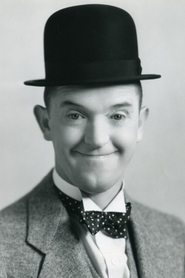
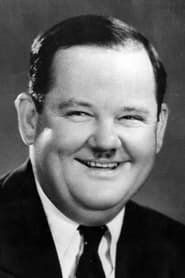
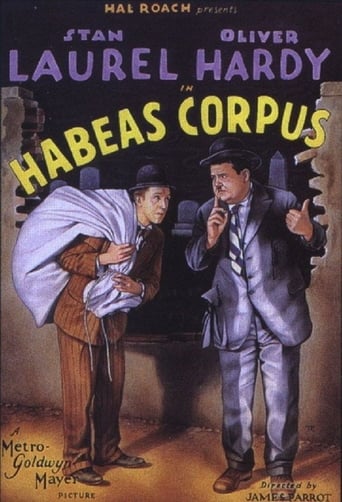
It was the first Hal Roach film to bill Laurel and Hardy as a team. Previous appearances together were billed under the Roach "All-Star Comedy" banner. It was released by Metro-Goldwyn-Mayer on September 8, 1928. McCarey is also one of the script writers for the film. The film entered the public domain in the United States in 2024.
Cast & crew
More films like this
More Comedy films
View all →







More from James Parrott
View all →

More about this film
About the production
Release dateJune 23, 1928
Box officeBox office figures not specifically recorded for individual shorts in this era, but Laurel and Hardy films were highly profitable for Hal Roach Studios
ProductionHal Roach Studios
Filmed inHal Roach Studios, Culver City, California, Los Angeles area golf courses
This was one of the early Laurel and Hardy shorts that helped establish their classic team dynamic. The film was shot during the transition period from silent films to talkies, though it was released as a silent production. The golf course scenes required extensive coordination to capture the physical comedy gags involving golf equipment and multiple background actors.
Themes
Domestic conflictMale friendship and loyaltySocial embarrassmentClass and leisure activitiesThe battle of the sexes
Themes & topics
Historical background
Should Married Men Go Home? (1928) circulated in the silent era. It was the first Hal Roach film to bill Laurel and Hardy as a team. Contemporary trade papers and later preservation notes document its place among nickelodeon and cinema-club programs.
Why this film matters
Should Married Men Go Home? remains accessible to researchers and viewers as a comedy short in museum, archive, and streaming collections. It was the first Hal Roach film to bill Laurel and Hardy as a team.
Making of
The production of 'Should Married Men Go Home?' took place during a crucial period in Laurel and Hardy's career when they were transitioning from being supporting players to established stars. The golf course setting was chosen specifically because it offered numerous opportunities for physical comedy gags with equipment that could be used as props. Stan Laurel, known for his meticulous attention to detail in comedy routines, reportedly spent weeks developing the golf-related gags. The film was shot quickly, as was typical for Hal Roach shorts, with principal photography completed in just a few days. The fight scene required multiple takes to perfect the timing of the physical comedy, with both Laurel and Hardy performing many of their own stunts. The chemistry between the two comedians was already well-established by this point, allowing for improvisation within the structured gags.
What critics said
Day-one reviews for Should Married Men Go Home? are sparse in digitized press archives; later criticism treats it as a reference point for 1928 cinema programming and preservation.
Did you know?
- This was one of the first films where Laurel and Hardy were officially billed as a comedy team, though they had appeared together in previous films
- The golf course used for filming was reportedly the Los Angeles Country Club, though this has been debated by film historians
- Kay Deslys, who plays one of the young women, was a British actress who appeared in several Hal Roach comedies
- The film's title plays on the common domestic comedy theme of the era, questioning marital harmony
- Physical comedy in the golf scenes required Stan Laurel to learn basic golf swings specifically for the film, though his character was deliberately terrible at the sport
- This short was released just before the major transition to sound films in Hollywood, making it part of the last wave of major silent comedy shorts
- The fight sequence at the end was choreographed to last nearly three minutes of screen time, unusually long for a comedy short of this period
- Director James Parrott was the brother of Charley Chase, another Hal Roach comedy star
Visual style
The cinematography, typical of Hal Roach productions of the era, was clear and functional, designed primarily to showcase the comedy. The golf course setting allowed for wide shots that captured the physical comedy in context, while closer shots emphasized the reactions of Laurel and Hardy. The camera work was straightforward but effective, with the cinematographer understanding the importance of clear sight lines for physical comedy gags. The outdoor filming provided natural lighting that enhanced the visual quality compared to many studio-bound comedies of the period.
Innovations
While not technically innovative in terms of camera work or editing, the film demonstrated sophisticated comedy construction for its time. The timing of physical gags, particularly in the golf sequences, showed an advanced understanding of comedic rhythm. The film's editing effectively built comic momentum through the careful arrangement of gags, with each sequence escalating the chaos. The use of multiple background actors in the golf scenes required complex blocking and coordination, representing a high level of production organization for a two-reel comedy.
Music
As a silent film, it would have been accompanied by live musical accompaniment in theaters, typically a piano or small orchestra. The score would have been compiled from standard photoplay music libraries, with selections chosen to match the mood of each scene. For the golf sequences, lighter, more whimsical music would have been used, while the fight scenes would have been accompanied by more dramatic, fast-paced compositions. In modern restorations, new musical scores have been created by silent film composers to accompany the film for contemporary audiences.
Famous quotes
(As a silent film, dialogue was conveyed through intertitles. Key intertitles included: 'You're not coming in here!' - Mrs. Hardy, 'We'll show them how real men play golf!' - Ollie, 'This is my lucky day!' - Stan (before disaster strikes)
Memorable scenes
- The opening domestic argument where Mrs. Hardy throws the men out, featuring classic Laurel and Hardy reaction shots; The golf instruction sequence where Stan's 'helpful' advice causes chaos; The escalating golf ball mishaps that hit various unsuspecting players; The massive fight scene that erupts on the golf course, involving multiple players and golf equipment; The final chase sequence where Laurel and Hardy flee from the angry golfers
What audiences thought
The film was well-received by audiences of 1928, who were increasingly recognizing Laurel and Hardy as a distinctive comedy team. Theater reports from the era indicated strong audience response, particularly to the physical comedy sequences and the familiar domestic conflict setup. The short was popular enough to be included in Laurel and Hardy retrospective programs throughout the 1930s and 1940s. Modern audiences at silent film festivals continue to respond positively to the film's timeless physical comedy, with the golf gags remaining particularly effective even for contemporary viewers unfamiliar with silent film conventions.
Film connections
Influenced by
- Earlier Mack Sennett comedies
- Charlie Chaplin's domestic comedies
- Buster Keaton's sports-themed shorts
- Harold Lloyd's everyman character
This film influenced
- Later Laurel and Hardy golf-themed comedies
- The Three Stooges sports shorts
- Abbott and Costello sports routines
Film restoration
The film survives in complete form and has been preserved by the Library of Congress and other film archives. Multiple 35mm prints exist, and the film has been digitally restored for home video releases. It is considered one of the better-preserved Laurel and Hardy shorts from the silent era, with clear image quality in most available versions.
Where to watch
- Available on The Laurel & Hardy Collection DVD sets
- Streaming on various classic film platforms
- Included in the Hal Roach Studios library on some streaming services
- Occasionally screened at silent film festivals and classic cinema events
- Available through public domain collections (though quality varies)