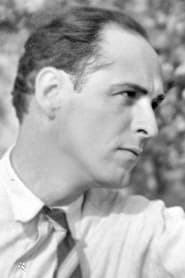
Baldwin Cooke
Actor
Born: March 10, 1888 in New York City, New York, USA Died: October 31, 1953 Active: 1929-1953
Films
5 films
About Baldwin Cooke
Prolific American character actor who became an integral part of the Hal Roach Studios comedy ensemble during the late 1920s and 1930s. Born in New York City in 1888, Cooke began his film career in the silent era and successfully transitioned to talkies, appearing in over 150 films throughout his career. He was most renowned for his frequent collaborations with comedy duo Laurel and Hardy, where he often played various supporting roles ranging from hotel clerks to policemen. Cooke's distinctive appearance and reliable comedic timing made him a familiar face in numerous Hal Roach productions, including the Our Gang series and Charley Chase comedies. Despite never achieving leading man status, his versatility and dependability as a supporting actor earned him steady work throughout Hollywood's Golden Age. His screen career spanned the late 1920s until his death in 1953, during which he became recognizable bit players in comedy cinema. Cooke's contributions to classic comedy, while often uncredited, helped shape the comedic landscape of early Hollywood films.
The Craft
On Screen
Cooke was known for his naturalistic and understated comedic style, often serving as the perfect straight man or mild-mannered authority figure in comedy scenarios. His performances were characterized by subtle facial expressions and impeccable timing that enhanced the main comedic elements without overshadowing them. He had a remarkable ability to adapt to various roles, from flustered officials to confused bystanders, always maintaining a believable and relatable presence on screen.
Milestones
- Regular supporting actor in Laurel and Hardy films
- Prolific performer in Hal Roach Studios productions
- Appeared in over 150 films during his career
- Transitioned successfully from silent films to talkies
- Frequent performer in Our Gang series
Best Known For
Iconic Roles
Must-See Films
Accolades
Special Recognition
- Recognized as one of Hal Roach's most reliable character actors
Working Relationships
Worked Often With
Studios
Why They Matter
Impact on Culture
Baldwin Cooke's contributions to classic Hollywood comedy, while often overlooked by mainstream audiences, were significant in shaping the supporting landscape of comedy films during the Golden Age. His consistent presence in Laurel and Hardy films helped create the rich comedic environment that made the duo's work so memorable and effective. Cooke represented the archetype of the reliable character actor who could elevate any scene with his presence, contributing to the overall quality and entertainment value of dozens of classic films that continue to be celebrated today. His work exemplified the importance of strong supporting performances in ensemble comedy, influencing how studios would approach casting in subsequent decades.
Lasting Legacy
Baldwin Cooke's legacy lives on through the enduring popularity of the Laurel and Hardy films and other Hal Roach productions in which he appeared. Film historians and classic comedy enthusiasts recognize him as an essential component of the comedy machinery that made these films timeless classics. His extensive filmography serves as a valuable record of the supporting actor's role in creating cinematic comedy, and his performances continue to be studied by those interested in the craft of character acting. Cooke's career demonstrates how a dedicated supporting actor can achieve immortality through consistent, quality work in beloved films.
Who They Inspired
While Cooke did not mentor famous actors directly, his professional approach and versatility influenced generations of character actors who followed in his footsteps. His ability to seamlessly blend into various comedic scenarios while maintaining his own distinct presence became a model for supporting actors in comedy. The reliability and professionalism he demonstrated on set set standards for character actors in studio system productions, and his work continues to be referenced in discussions about the importance of ensemble casting in comedy films.
Off Screen
Baldwin Cooke maintained a relatively private personal life despite his lengthy Hollywood career. He married actress and fellow Hal Roach performer Anita Garvin in 1930, and the couple remained together until his death in 1953. Their marriage was notable in Hollywood circles for its stability during an era when many celebrity marriages ended in divorce. Cooke was known among his colleagues as a dependable and professional actor who rarely engaged in the typical Hollywood social scene, preferring to focus on his craft and family life.
Education
Limited information available about his formal education
Family
- Anita Garvin (1930-1953)
Did You Know?
- Appeared in over 150 films during his 24-year career
- Was married to fellow Hal Roach actor Anita Garvin
- Often played uncredited or minor roles but was highly valued by directors
- Was a regular presence in Laurel and Hardy films throughout the 1930s
- His filmography includes appearances in both silent films and talkies
- Worked extensively with producer Hal Roach throughout his career
- Often played various authority figures in comedy sketches
- His final film appearance was in 1953, the year of his death
- Was part of the unofficial Hal Roach stock company of actors
- His performances can be seen in many of the most beloved comedy classics of the 1930s
In Their Own Words
No documented famous quotes - as a supporting character actor, he was known for his performances rather than memorable lines
Frequently Asked Questions
Who was Baldwin Cooke?
American character with credits in this catalog. He appeared in over 150 films between 1929 and 1953, becoming.
What films is Baldwin Cooke best known for?
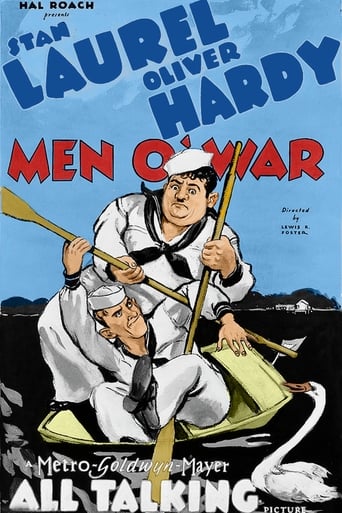
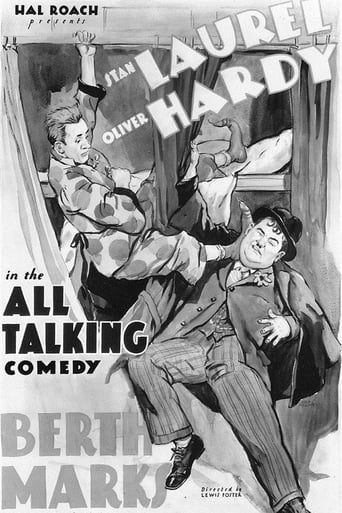
Titles linked here include Men O' War (1929), Berth Marks (1929).
When was Baldwin Cooke born and when did he die?
Born March 10, 1888; died October 31, 1953.
What awards did Baldwin Cooke win?
Despite his extensive career and contributions to classic comedy, Baldwin Cooke did not receive any major awards or nominations. His recognition came primarily from being valued as a reliable and versatile character actor within the studio system.
What was Baldwin Cooke's acting style?
Cooke was known for his naturalistic and understated comedic style, often serving as the perfect straight man or mild-mannered authority figure. His performances featured subtle facial expressions and impeccable timing that enhanced the main comedic elements without overshadowing them.