Tiny Sandford
Actor
Born: January 26, 1894 in Osage, Iowa, USA Died: October 29, 1961 Active: 1918-1940 Birth Name: Stanley J. Sandford
Films
9 films

About Tiny Sandford
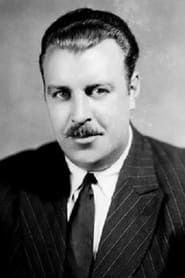
Tiny Sandford, born Stanley J. Sandford, was a prolific American character actor during the silent film era who became an indispensable supporting player in Hollywood's golden age of comedy. Despite his ironic nickname 'Tiny,' he was a large, imposing figure standing over 6 feet tall and weighing around 250 pounds, making him perfect for playing authority figures, villains, and comic foils. His screen career spanned the late 1910s through the early 1940s, during which he appeared in more than 150 films, though many were uncredited roles. Sandford found his niche in physical comedy, working extensively with comedy legends including Charlie Chaplin, Stan Laurel, and Oliver Hardy. He was particularly valued for his ability to convey both menace and humor through his physical presence, making him an ideal antagonist to the smaller comedic stars of the era. After successfully transitioning from silent films to talkies, his career gradually diminished in the late 1930s, though he continued to work in smaller roles. His contributions to classic comedy, while often overlooked by mainstream audiences, have been recognized by film historians as essential to the success of many enduring comedy masterpieces.
The Craft
On Screen
Tiny Sandford specialized in physical comedy and character acting, utilizing his impressive physical stature to create memorable supporting roles. His style was rooted in the pantomime traditions of silent cinema, where he could effectively convey authority, menace, or buffoonery through exaggerated gestures and facial expressions. As a heavy in comedy films, he perfected the art of being both threatening and comically inept, often serving as the perfect physical and comedic foil to smaller, more agile comedians like Chaplin or Laurel & Hardy. His technique involved precise timing in physical comedy, allowing him to engage in slapstick routines and pratfalls despite his large frame, making him a versatile asset in ensemble comedy pieces.
Milestones
- Regular collaborator with Charlie Chaplin in multiple films
- Key supporting actor at Hal Roach Studios
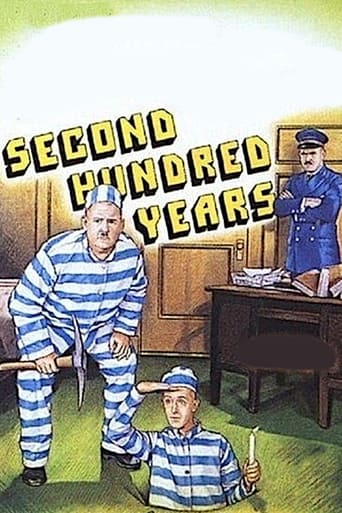
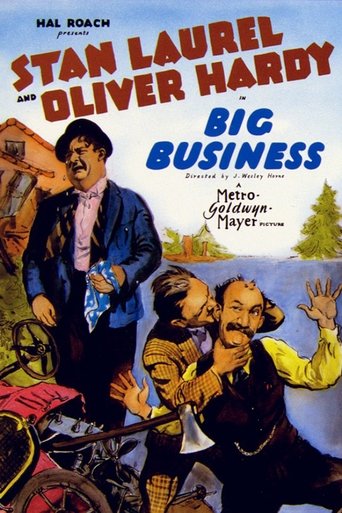
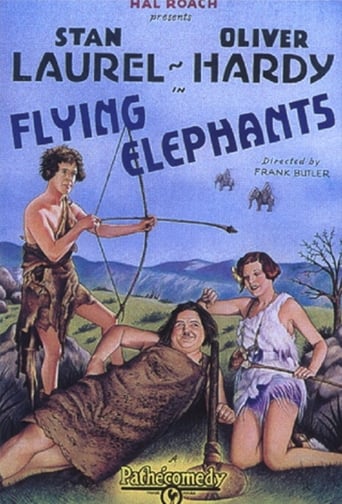
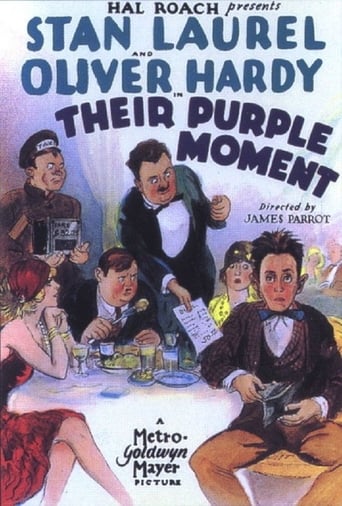
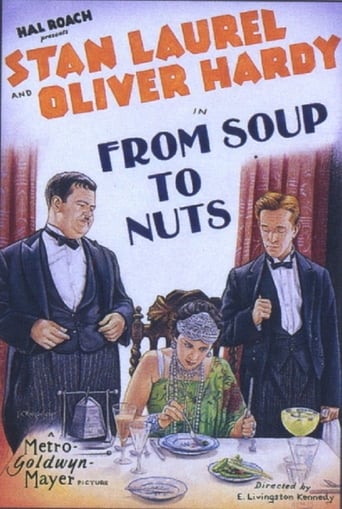
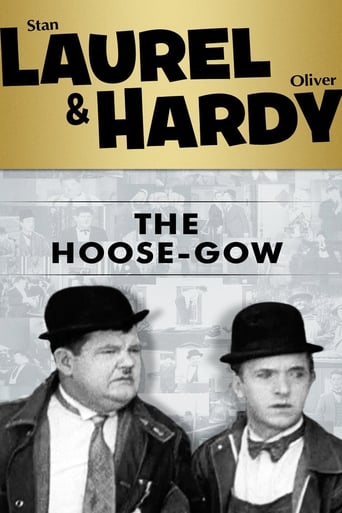
- Appeared in classic Laurel & Hardy comedies
- Transitioned successfully from silent films to talkies
- Worked with Mack Sennett in early career
Best Known For
Iconic Roles
Must-See Films
Accolades
Special Recognition
- Contributor to multiple films recognized as classics by the American Film Institute
- Featured in film history documentaries about silent comedy era
Working Relationships
Worked Often With
Studios
Why They Matter
Impact on Culture
Tiny Sandford played a significant role in the development of American silent comedy, particularly in establishing the archetype of the large, imposing antagonist in comedy films. His physical presence provided the perfect visual contrast to the smaller comedic stars of the era, creating dynamic relationships that enhanced the humor in countless films. Through his work with comedy legends like Chaplin and Laurel & Hardy, he contributed to some of the most enduring comedies of the silent era that continue to influence filmmakers and comedians today. His ability to seamlessly transition from genuinely menacing antagonist to bumbling fool showcased the versatility required of character actors in early cinema, helping establish character archetypes that would be used in comedy for decades to come.
Lasting Legacy
Tiny Sandford's legacy lies in his invaluable contributions to the golden age of silent comedy, where he served as. While never a household name himself, his presence in over 150 films helped create some of cinema's most beloved comedy classics. Film historians and silent cinema enthusiasts recognize him as an essential component of the comedy ensembles that defined the era, and his work continues to be studied and appreciated by those interested in the craft of physical comedy and character acting in early Hollywood. His performances in Chaplin's films alone ensure his place in cinema history as part of some of the most celebrated movies ever made.
Who They Inspired
Tiny Sandford influenced subsequent generations of character actors, particularly those specializing in physical comedy and playing heavy roles in comedy ensembles. His technique of using physical presence to create both menace and humor became a template for future comedy supporting players. Actors who followed in his footsteps often emulated his ability to serve the story while maintaining a distinct character presence, contributing to the ensemble without overshadowing the leads. His professionalism and reliability set standards for supporting actors in studio system productions.
Off Screen
Tiny Sandford maintained a relatively private personal life away from the Hollywood spotlight, focusing primarily on his craft as a character actor. Despite appearing in numerous films, he never achieved leading man status and was content with his role as a reliable supporting player in the comedy genre. He was known among his colleagues as a dependable professional who always delivered consistent performances, regardless of the size of his role. After his acting career diminished, he lived a quiet life in Los Angeles until his death in 1961.
Education
Limited formal education documented; likely received training in physical acting techniques common to the silent era through practical experience
Family
- Mae Sandford (1916-1930)
- Dorothy Sandford (1931-1961)
Did You Know?
- Earned the nickname 'Tiny' ironically due to his 6'2" frame and 250-pound weight
- Appeared in more films with Charlie Chaplin than almost any other supporting actor
- Was a professional wrestler before entering the film industry
- Often played characters much older than his actual age through makeup and acting
- Could perform his own stunts despite his large size, including falls and pratfalls
- Was a founding member of the Screen Actors Guild in 1933
- Worked as a film extra before being discovered for his distinctive appearance
- His last film appearance was in 1940 after a career spanning over 20 years
- Was known for his remarkable memory and ability to recall dialogue and blocking
- Received a star on the Hollywood Walk of Fame for his contributions to motion pictures
In Their Own Words
In comedy, the straight man is just as important as the funny man - someone has to be the wall the joke bounces off.
Chaplin taught me that comedy isn't just about making faces, it's about timing and truth in movement.
Being big in Hollywood has its advantages - they always need someone to chase the little guys!
The secret to being a good heavy is knowing when to be menacing and when to be ridiculous.
Frequently Asked Questions
Who was Tiny Sandford?
American character with credits in this catalog. Despite his nickname 'Tiny,' he was a large, imposing actor who specialized in playing authority figures and comic antagonists in over 150 films from 1918 to 1940.
What films is Tiny Sandford best known for?
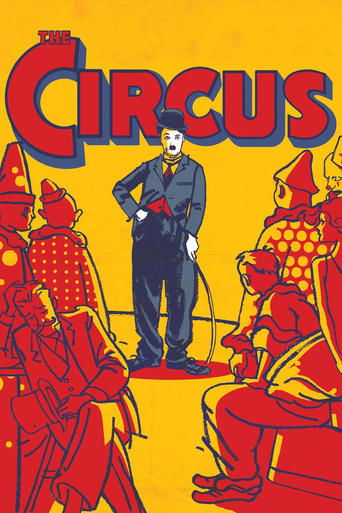
Titles linked here include The Circus (1928), The Gold Rush (1925).
When was Tiny Sandford born and when did he die?
Born January 26, 1894; died October 29, 1961.
What awards did Tiny Sandford win?
Tiny Sandford did not receive major individual awards during his career, as he primarily worked as a supporting character actor. However, the films he appeared in, particularly those with Charlie Chaplin, have received numerous accolades and are considered classics of cinema history. He received a star on the Hollywood Walk of Fame for his contributions to motion pictures.
What was Tiny Sandford's acting style?
Tiny Sandford specialized in physical comedy and character acting, using his large frame to create memorable supporting roles. His style was rooted in silent film pantomime, where he conveyed authority and comedy through exaggerated gestures. He was particularly skilled at playing menacing characters who could also be comically inept, providing the perfect foil to smaller comedic stars.