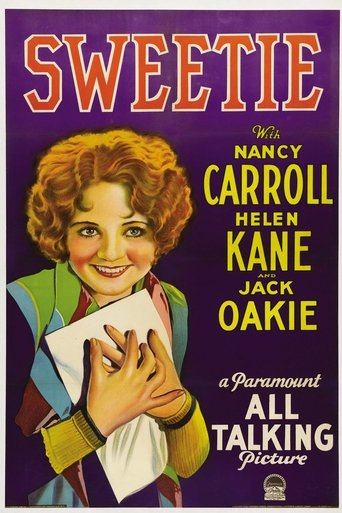
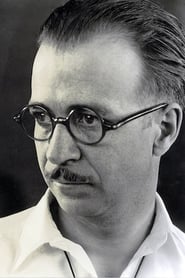
Frank Tuttle
Director
Born: February 6, 1892 in New York City, New York, USA Died: January 6, 1963 Active: 1922-1959
Films
8 films
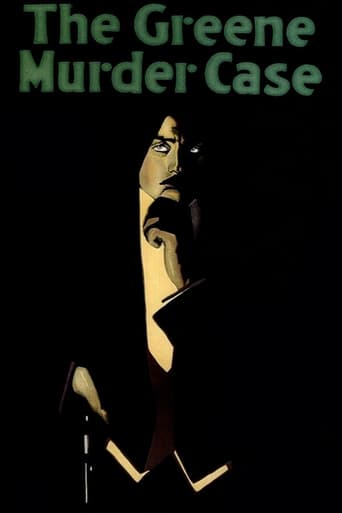
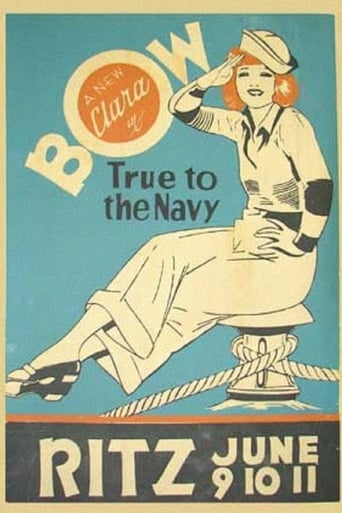
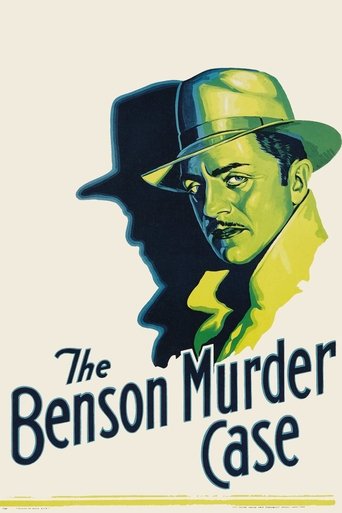
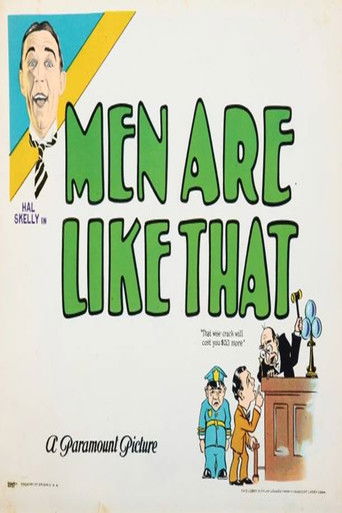
About Frank Tuttle
American film director and screenwriter who enjoyed a prolific career spanning nearly four decades of Hollywood history. Born in New York City in 1892, Tuttle attended Yale University before serving in World War I and subsequently entering the film industry as a screenwriter. He made his directorial debut in 1922 and quickly established himself at Paramount Pictures, where he would direct many of his most notable films throughout the 1920s and 1930s. Tuttle successfully navigated the challenging transition from silent films to talkies, directing popular stars like Clara Bow, Gary Cooper, and Wallace Beery. During the 1940s, he became associated with the film noir genre, directing the influential 'This Gun for Hire' (1942) which helped establish Alan Ladd as a major star. Later in his career, Tuttle transitioned to television, directing episodes of popular series throughout the 1950s. His final directorial work was in 1959, after which he retired from the industry. Frank Tuttle died in Hollywood on January 6, 1963, leaving behind a diverse filmography that documents the evolution of American cinema from the silent era through the golden age of Hollywood.
The Craft
Behind the Camera
Frank Tuttle was known for his efficient, workmanlike approach to filmmaking, with a particular talent for handling diverse genres from comedy to mystery to film noir. His directing style emphasized clear storytelling and pacing, making his films accessible to mainstream audiences. During the silent era, he demonstrated a keen visual sense that translated well to sound films, where he maintained smooth narrative flow. Tuttle was particularly adept at showcasing star personalities, allowing actors like Clara Bow and Alan Ladd to shine while maintaining the film's overall coherence. His later work in film noir showcased an ability to create atmospheric tension and psychological complexity within the studio system constraints.
Milestones
- Directed the first sound version of The Maltese Falcon (1931)
- Helped launch Clara Bow's stardom with The American Venus (1926)
- Successfully transitioned from silent films to talkies
- Directed the film noir classic This Gun for Hire (1942)
- Directed over 60 films during his 37-year career
Best Known For
Must-See Films
Working Relationships
Worked Often With
Studios
Why They Matter
Impact on Culture
Frank Tuttle's work represents an important bridge between the silent era and the golden age of Hollywood sound cinema. His successful navigation of the transition to talkies demonstrated how visual storytelling techniques from silent films could be adapted to the new medium. His films with Clara Bow helped establish the 'flapper' archetype that defined 1920s popular culture. In the 1940s, his contribution to film noir with 'This Gun for Hire' helped shape the aesthetic and thematic elements of this influential genre. Tuttle's diverse filmography, spanning comedy, mystery, musicals, and noir, reflects the evolution of American popular tastes and the studio system's ability to respond to changing audience demands.
Lasting Legacy
Frank Tuttle's legacy lies in his remarkable versatility and longevity during a period of unprecedented change in the film industry. As a director who successfully worked across multiple decades and genres, he exemplified the adaptable professional who could thrive within the Hollywood studio system. His films serve as valuable cultural artifacts that document the evolution of American cinema from the exuberance of the 1920s through the darker sensibilities of the 1940s. While not as celebrated as some of his contemporaries, Tuttle's consistent craftsmanship and ability to deliver commercially successful films made him an essential contributor to Hollywood's golden age. His work with major stars like Clara Bow and Alan Ladd helped shape their screen personas and, by extension, influenced American popular culture.
Who They Inspired
Frank Tuttle influenced subsequent generations of directors through his efficient approach to filmmaking and his ability to work successfully across genres. His early sound films demonstrated techniques for maintaining visual interest while incorporating dialogue, lessons that would inform countless directors who followed. His work in film noir, particularly 'This Gun for Hire,' contributed to establishing visual and narrative conventions that would influence the genre for decades. Though he didn't have formal protégés in the traditional sense, his professional example of adapting to technological and industry changes while maintaining artistic integrity served as an inspiration to many in the industry.
Off Screen
Frank Tuttle was married twice during his lifetime. His first marriage was to actress Helen Ferguson in 1925, which ended in divorce in 1939. In 1940, he married Frances Hyland, with whom he remained until his death in 1963. Tuttle was known as a private individual who maintained a relatively low public profile despite his success in Hollywood. He served in World War I before beginning his film career, and his Yale education set him apart from many of his contemporaries in the film industry.
Education
Yale University
Family
- Helen Ferguson (1925-1939)
- Frances Hyland (1940-1963)
Did You Know?
- Was a Yale University graduate, unusual for film directors of his era
- Served in World War I before entering the film industry
- Directed the first sound adaptation of Dashiell Hammett's The Maltese Falcon
- Helped launch Clara Bow's stardom with The American Venus (1926)
- Successfully directed over 60 films during his 37-year career
- Transitioned to television directing in the 1950s when his film career slowed
- His film This Gun for Hire (1942) was Alan Ladd's breakthrough role
- Was married to actress Helen Ferguson during his most prolific period
- Directed both silent films and talkies, making him one of the few directors to master both mediums
- His films spanned virtually every major genre popular during his active years
Frequently Asked Questions
Who was Frank Tuttle?
American on YTB.my. He directed over 60 films and was known for his versatility across genres and his successful transition from silent films to talkies.
What films is Frank Tuttle best known for?
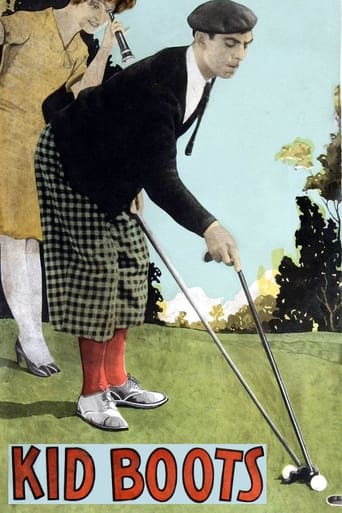
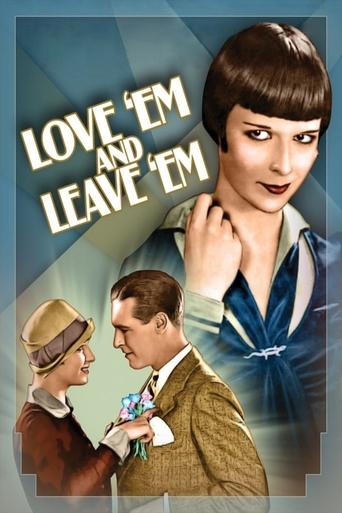
Titles linked here include Kid Boots (1926), Love 'Em and Leave 'Em (1926).
When was Frank Tuttle born and when did he die?
Born February 6, 1892; died January 6, 1963.
What awards did Frank Tuttle win?
Despite his prolific career and significant contributions to cinema, Frank Tuttle did not receive major industry awards such as Academy Awards. His recognition came primarily through his consistent commercial success and the lasting impact of his films.
What was Frank Tuttle's directing style?
Frank Tuttle was known for his efficient, workmanlike approach to filmmaking with a talent for handling diverse genres. His style emphasized clear storytelling and pacing, with particular skill in showcasing star personalities while maintaining narrative coherence across his films.