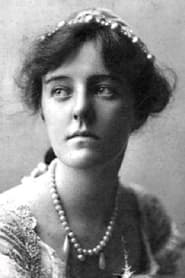
Gertrude Norman
Actor
Born: November 19, 1868 in London, England Died: October 27, 1943 Active: 1915-1930
Films
2 films
About Gertrude Norman
prolific character actress of the silent era and early sound period — known for her versatility in portraying elderly and maternal roles despite her relatively young age. Born in London in 1868, she began her film career in her mid-40s, quickly establishing herself as a reliable supporting player in Hollywood productions. Norman appeared in over 80 films between 1915 and 1930, working with major studios including Famous Players-Lasky, Paramount, and MGM. She specialized in playing mothers, grandmothers, housekeepers, and other mature characters, bringing warmth and authenticity to each role. Her ability to convincingly portray characters decades older than her actual age made her a valuable asset to directors seeking experienced character actors. Norman successfully navigated the transition from silent films to talkies, appearing in early sound productions before retiring from the screen in 1930. Her the formative years of American cinema, and she worked alongside many of the era's biggest stars, including Mary Pickford and Wallace Reid.
The Craft
On Screen
Norman specialized in naturalistic portrayals of maternal and elderly characters, using subtle facial expressions and gestures typical of the silent era. She brought warmth and authenticity to her roles, often serving as the emotional anchor in family dramas. Her ability to convincingly portray characters decades older than her actual age demonstrated her technical skill and understanding of character development.
Milestones
- Film debut in 'The Old Homestead' (1915)
- Appeared in over 80 films during her 15-year career
- Successfully transitioned from silent films to talkies
- Worked with director Cecil B. DeMille
- Frequent collaborator with actress Mary Pickford
Best Known For
Iconic Roles
Must-See Films
Working Relationships
Worked Often With
Studios
Why They Matter
Impact on Culture
Gertrude Norman contributed significantly to the development of character acting in early Hollywood, helping establish the importance of supporting roles in narrative cinema. Her consistent portrayals of maternal figures reflected and reinforced the family values prevalent in American society during the 1910s and 1920s. Norman's work demonstrated how character actors could provide emotional depth and continuity across diverse film genres, from melodramas to mysteries. Her successful transition to sound films showed that silent era actors could adapt to new technologies, paving the way for other character performers.
Lasting Legacy
Gertrude Norman's legacy lies in her extensive body of work that exemplifies the crucial role of character actors in classic cinema. Her filmography serves as a valuable record of acting techniques and storytelling methods from the silent era. Norman's ability to portray a wide range of elderly characters while still in her 40s and 50s showcased the craft of character transformation that would influence future generations of character actors. Though not a star, her contributions to over 80 films helped shape the emotional landscapes of countless classic movies.
Who They Inspired
Norman influenced subsequent generations of character actresses through her demonstrated versatility and reliability in supporting roles. Her naturalistic acting style in silent films contributed to the evolution away from the exaggerated gestures typical of early cinema toward more subtle, believable performances. Her successful career transition from silent films to talkies provided a model for other character actors facing technological changes in the industry.
Off Screen
Gertrude Norman emigrated from England to the United States in the early 1900s, settling in California where she would begin her film career. She never married and had no children, dedicating her life entirely to her craft. Norman lived modestly in Los Angeles during her film career and remained in the city after her retirement from acting. She passed away in 1943 at the age of 74 in Los Angeles, having witnessed the transformation of cinema from silent shorts to feature-length sound films.
Education
No formal acting education recorded; likely trained through stage experience in England before transitioning to film
Did You Know?
- Began her film career at age 47, relatively late for the era
- Often played characters 20-30 years older than her actual age
- Appeared in 5 films with Mary Pickford, one of the era's biggest stars
- Made her film debut in 1915 and retired just 15 years later in 1930
- Worked with director Cecil B. DeMille on multiple occasions
- Was one of the few British actresses to successfully establish herself in Hollywood during the silent era
- Never received screen credit for many of her early roles, typical for supporting actors of the period
- Survived the transition from silent films to talkies when many of her contemporaries did not
- Her final film appearance was in 1930, after which she retired completely from acting
- Despite her extensive filmography, no photographs of her from her personal life are known to exist
In Their Own Words
No documented quotes from Gertrude Norman survive, typical for supporting actors of the silent era who were rarely interviewed by the press
Frequently Asked Questions
Who was Gertrude Norman?
British-American character actress who worked in Hollywood during the silent era and early sound period. She appeared in over 80 films between 1915 and 1930, specializing in portraying elderly and maternal roles despite being relatively young.
What films is Gertrude Norman best known for?
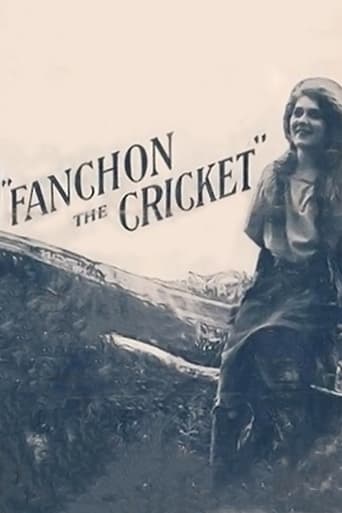
Titles linked here include Fanchon, the Cricket (1915), The Poor Little Rich Girl (1917).
When was Gertrude Norman born and when did she die?
Born November 19, 1868; died October 27, 1943.
What awards did Gertrude Norman win?
Gertrude Norman did not receive any major awards or nominations during her career. This was common for character actors in the silent era, as supporting roles rarely received formal recognition from the industry.
What was Gertrude Norman's acting style?
Norman specialized in naturalistic portrayals of maternal and elderly characters, using subtle expressions and gestures typical of the silent era. She brought warmth and authenticity to her roles, often serving as the emotional anchor in family dramas and other narrative films.
How did Gertrude Norman transition from silent films to talkies?
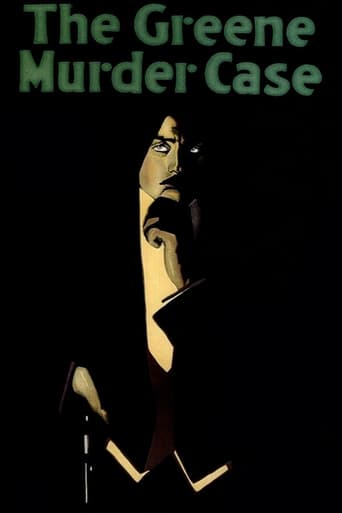
Norman successfully made the transition to sound films, appearing in 'The Greene Murder Case' (1929) and other early talkies before retiring in 1930. Her ability to adapt demonstrated the versatility that made her a valuable character actress throughout her career.
Why was Gertrude Norman often cast as elderly characters?
Despite being in her 40s and 50s during most of her film career, Norman possessed the maturity and gravitas to convincingly portray characters decades older than her actual age. This typecasting was common for character actors who could effectively play older roles.