Films
3 films

About Ullrich Haupt
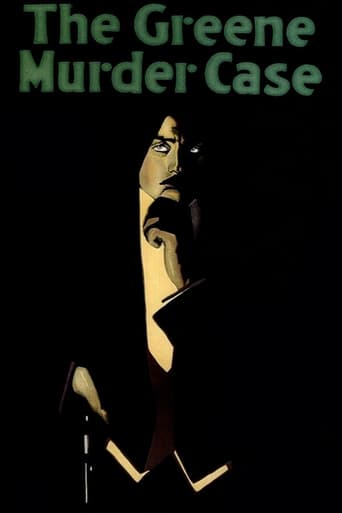
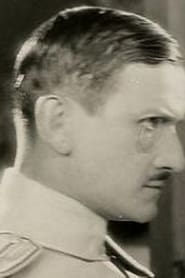
German-born character actor of the late silent and early sound eras: brief American screen career placed him in several important prestige productions at the close of the 1920s. He is Ullrich Haupt appeared in Hollywood for appearances in The Greene Murder Case (1929), a Paramount mystery adapted from S.S. Van Dine's Philo Vance stories, and in Josef von Sternberg's Morocco (1930), one of the landmark early sound romances of the era. Haupt was part of the large wave of European stage and screen performers who worked in international cinema during the transition to talkies, when studios often cast actors with cosmopolitan bearing for aristocrats, officers, diplomats, and other urbane supporting roles. Because his on-screen career in surviving English-language filmographies appears to be very short, his broader life and stage background are not well documented in standard film-reference sources, and many details of his personal history remain obscure. The surviving record suggests that he was active at the very end of the silent period and then in the first years of sound, rather than becoming a long-term Hollywood star. He should not be confused with later members of the Haupt family who also worked in film, nor with other performers of similar name. His screen legacy rests largely on the fact that he is preserved in two notable transitional-era productions that continue to be screened and studied by classic-cinema enthusiasts.
The Craft
On Screen
Available evidence suggests that Haupt was cast in composed, understated supporting roles rather than broad comic or melodramatic parts. Performers like him were often valued in late-1920s and early-1930s films for a dignified, international screen presence, clear enunciation in sound films, and the ability to suggest authority or sophistication with relatively little screen time. Because so few roles are firmly documented, any more detailed assessment would be speculative.
Milestones
- Appeared in The Greene Murder Case (1929), a notable late-silent/early sound mystery from Paramount Pictures
- Appeared in Morocco (1930), a major early talkie directed by Josef von Sternberg and starring Marlene Dietrich and Gary Cooper
- Worked during the historically important transition from silent cinema to synchronized sound films
- Represented the type of European supporting player frequently cast in Hollywood productions for his continental presence and refined screen manner
Best Known For
Iconic Roles
Must-See Films
Working Relationships
Worked Often With
Studios
Why They Matter
Impact on Culture
Ullrich Haupt's cultural importance lies less in star celebrity than in what he represents historically: the circulation of European actors into Hollywood during the sound transition, when studios were expanding their casting choices for increasingly dialogue-driven films. His presence in a mystery such as The Greene Murder Case and in a stylized romantic drama like Morocco reflects the way American studios used imported performers to add authenticity, sophistication, or an Old World atmosphere to their productions. Though he was not a major marquee name, actors of his type were essential to the texture of early talkies, helping define the cosmopolitan cast structures that became common in studio-era filmmaking. For modern viewers, Haupt is part of the larger preservation of transitional cinema, where even brief screen appearances can offer insight into industrial and performance practices of the period.
Lasting Legacy
Haupt's legacy is primarily archival and historical rather than star-based: he is remembered through the films themselves, especially Morocco, which remains a canonical title in discussions of early sound cinema and Marlene Dietrich's screen persona. His surviving credits help illustrate the mobility of European talent in the late 1920s and the kinds of roles available to foreign actors in Hollywood at the time. For film historians, he is one of many supporting performers whose work contributed to the authenticity, pacing, and atmosphere of studio productions, even when the actor's personal biography has not been fully preserved. His name persists in film databases and credits lists as part of the documentary record of classic cinema.
Who They Inspired
Haupt's direct influence on later performers is difficult to trace because his career was brief and his roles were limited. Indirectly, however, he belongs to the class of European character actors whose screen presence helped establish templates for cosmopolitan supporting casting in American films. The restrained, authoritative manner associated with such performers influenced the way studios later cast diplomats, officers, aristocrats, and continental professionals in Hollywood productions.
Off Screen
Little reliably documented information survives about Haupt's private life in commonly used film references. His marriages, children, residence history, and post-film career are not well established in the public record available through standard classic-cinema sources. As a result, his personal life is largely unknown beyond the fact that he worked as a German actor in the transitional early sound era.
Did You Know?
- He is Ullrich Haupt appeared in only a very small number of English-language filmographies, suggesting a very short or narrowly documented screen career.
- His known film work places him right at the silent-to-sound transition,.
- Morocco (1930) is a famous early sound film associated with Marlene Dietrich's breakthrough in Hollywood.
- The Greene Murder Case (1929) comes from the Philo Vance mystery cycle, popular with audiences of the late silent era.
- His surviving credits indicate that he was active in high-profile studio productions rather than obscure independents.
- He appears to have been a supporting actor rather than a lead performer.
- Because of sparse documentation, he is easy to confuse with other people carrying the Haupt surname, making careful identification important.
- His career exemplifies the many international actors whose screen presence is preserved even when biographical details have not survived well in reference sources.
Frequently Asked Questions
Who was Ullrich Haupt?
Screen credits include a small number of films at the end of the silent era and the beginning of the sound era. He is best remembered today for roles in The Greene Murder Case (1929) and Morocco (1930).
What films is Ullrich Haupt best known for?
Titles linked here include The Greene Murder Case (1929), Morocco (1930).
When was Ullrich Haupt born and when did he die?
His birth and death dates are not reliably established in the standard sources available for classic cinema. Because his biographical record is sparse, those details remain unclear.
What awards did Ullrich Haupt win?
No awards or major formal honors are documented for Ullrich Haupt in the surviving record. His significance lies more in his film appearances and his place in early sound-era cinema than in accolades.
What was Ullrich Haupt's acting style?
He appears to have worked as a restrained, dignified supporting actor, the kind often cast in roles requiring a refined or continental presence. His style would have suited the polished studio productions of the late 1920s and early 1930s.
What is Ullrich Haupt's legacy in film history?
His legacy is tied to the preservation of transitional cinema and the importance of supporting players in major studio productions. Even with limited biographical information, he remains part of the historical record of Hollywood's use of European actors in early sound films.