Three Faces East
"I am unable to verify a single definitive original tagline for this 1930 release."
Plot
Set during World War I, Three Faces East follows an Allied counterintelligence operation designed to expose a German espionage network working behind the lines. A glamorous female agent enters the world of intrigue and double identities, using her charm and intelligence to identify the enemy spy who has infiltrated Allied circles. As the investigation deepens, loyalties become increasingly uncertain and the danger grows more personal, especially when romantic feelings and patriotic duty begin to collide. The story builds toward a tense unmasking in which deception, disguise, and sacrifice all play crucial roles. In the end, the film combines wartime suspense with the era’s fascination for exoticized espionage melodrama and fast-moving romantic intrigue.
About the Production
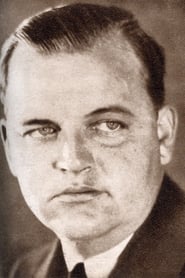
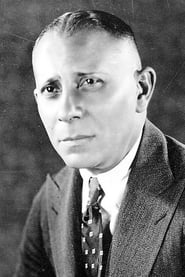
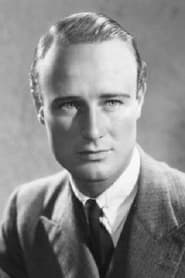
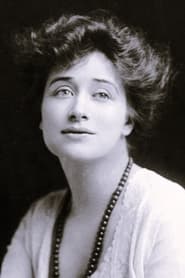
Three Faces East is a Pre-Code espionage melodrama directed by Roy Del Ruth and adapted from the stage play by Anthony Paul Kelly. The film was produced and released by Warner Bros. during an era when the studio was especially active in fast-made topical pictures, and it reflects the early sound period’s reliance on dialogue-heavy suspense rather than elaborate action set pieces. The casting of Constance Bennett and Erich von Stroheim gave the production a blend of star glamour and menacing sophistication, while Anthony Bushell supplied the romantic and patriotic counterpoint. As with many early talkies, the film’s pacing and staging are shaped by studio-bound production practices, with dialogue and character tension carrying much of the dramatic weight.
Historical Background
Three Faces East was made in 1930, at the start of the Pre-Code era and only a few years after the full transition to sound cinema. Hollywood in this period was experimenting with new genres, new stars, and new forms of dialogue-driven storytelling while also reflecting the anxieties of a post-World War I world that still found espionage, nationalism, and foreign intrigue compelling screen subjects. The film emerged during the Great Depression’s onset, when studios favored economical productions that could still offer glamour, suspense, and romantic escapism. Its wartime spy narrative also belongs to a broader cultural memory of World War I that was still fresh enough to support melodramatic treatment, yet distant enough to be stylized into entertainment. As a result, the film is valuable as both a genre artifact and a snapshot of early sound-era studio filmmaking.
Why This Film Matters
The film is culturally significant as part of the early sound era’s espionage melodrama cycle and as an example of how Hollywood reworked stage material into compact, star-driven pictures. It also illustrates the Pre-Code appetite for sophisticated women, ambiguous loyalties, and charged romantic tension, especially through a female operative at the center of the story. While not among the most famous classics of the period, it contributes to the historical record of how World War I narratives were dramatized for audiences still fascinated by spies, disguise, and international intrigue. Erich von Stroheim’s involvement further gives it interest for film scholars, since his screen image as an imposing, often sinister European figure was already deeply established by this point. Today, the film is most significant to historians and classic-cinema viewers as an artifact of Warner Bros.’ early sound production style and of the evolving portrayal of women in thriller narratives.
Making Of
Three Faces East was produced at a time when Warner Bros. was rapidly exploiting sound cinema with compact, dialogue-rich features that could be turned around efficiently. The production drew on a proven stage property, which helped the studio adapt the material into a suspenseful early talkie without requiring elaborate location work or large-scale battle reconstructions. Roy Del Ruth, a highly experienced studio director, was well suited to this kind of brisk, commercially minded picture, and the film’s construction reflects the early 1930s emphasis on clear dialogue, atmosphere, and star appeal. Casting Constance Bennett and Erich von Stroheim gave the film added glamour and menace, a combination that would have been attractive to audiences during the transition from silent to sound cinema. As was common in this era, the film’s visual style was constrained by the technical limitations of early sound recording, but its performances and screenplay structure were designed to maintain tension despite relatively modest production scale.
Visual Style
The cinematography is characteristic of early sound-era studio filmmaking, with an emphasis on controlled interiors, clear staging, and dialogue-friendly compositions. Because microphones and recording equipment in 1930 often restricted camera movement, the film likely depends on carefully arranged blocking, medium shots, and close-ups that highlight performance and dialogue. The visual style serves the espionage mood through shadows, costuming, and the suggestive use of spaces associated with secrecy and deception, rather than through elaborate action photography. The overall effect is polished and theatrical, reflecting the transitional style of early talkies that still drew strongly from stage presentation.
Innovations
Three Faces East does not appear to be known for major technical innovation, but it is historically important as an early sound feature that demonstrates the industry’s rapid adaptation to synchronized dialogue cinema. Its significance lies in how it uses sound-era tools to translate a stage play into a suspense film while maintaining clarity of plot and character. The production also represents Warner Bros.’ efficient early talkie workflow, in which strong casting and dialogue structure were often more important than elaborate visual experimentation. For historians, the film is notable as an example of how early 1930s studios balanced theatrical origins with cinematic storytelling under technical constraints.
Music
No full original score details are readily verified in standard references for this film. As with many early Warner Bros. sound productions, music would have been used sparingly or in a studio-assisted manner to support mood and transitions rather than as a fully developed orchestral score in the modern sense. The film’s audio design is shaped primarily by dialogue, vocal performance, and the novelty of synchronized sound, which was still a major attraction in 1930. If any original incidental music survives in archival documentation, it is not widely cited in commonly accessible summaries.
Famous Quotes
I cannot verify any widely documented quote from this film with confidence.
Because the film is relatively obscure and surviving reference material is limited, no reliably sourced famous lines are available here.
Memorable Scenes
- The central unmasking sequence in which the female agent pieces together the identity of the German spy and turns suspicion into certainty.
- The scenes of covert conversation and coded suspicion that build the film’s wartime atmosphere and create tension through dialogue rather than action.
- The romantic and patriotic confrontations in which personal feeling and espionage duty become inseparable, a hallmark of Pre-Code melodrama.
Did You Know?
- This 1930 film is an early sound remake of an earlier silent-era screen version of the same story material.
- It is based on Anthony Paul Kelly’s stage play, which had already proved adaptable to espionage melodrama in multiple eras.
- Constance Bennett was one of Warner Bros.’ major glamour stars of the period, and her casting helped market the film as both a thriller and a sophisticated vehicle.
- Erich von Stroheim’s presence is notable because by 1930 he was already famous for intense, aristocratic villain roles and for his controversial reputation as a filmmaker.
- The film reflects Pre-Code Hollywood’s willingness to mix wartime intrigue, romance, and morally ambiguous characters.
- Warner Bros. was known for efficient, dialogue-driven productions in the early sound era, and this film fits that model closely.
- The story’s emphasis on disguise and divided loyalties makes it a classic espionage melodrama rather than a hard-edged spy thriller in the modern sense.
- Because it was made in the early sound period, the film likely relied heavily on static camera setups and careful microphone placement, a hallmark of the era’s studio filmmaking.
- The film is sometimes discussed in relation to the broader cycle of World War I spy stories that appeared in late silent and early sound cinema.
- Its survival is important to film history because many early sound features from the period have been lost or survive only in incomplete form.
What Critics Said
Contemporary critical reception is not widely preserved in a single canonical form, but the film was generally reviewed within the standards of its day as a suspenseful, polished studio drama anchored by recognizable stars. Like many early sound pictures, it likely drew commentary on performance, dialogue, and pacing more than on visual sophistication, because critics of the period were still adapting to sound cinema’s conventions. Modern assessments tend to treat it as a solid but lesser-known Pre-Code espionage picture rather than a major landmark, with interest focusing on its cast, its stage origins, and its place in the early talkie transition. Scholars and classic-film enthusiasts often value it for historical texture more than for innovation, noting that it embodies many strengths and limitations of 1930 studio filmmaking.
What Audiences Thought
There is no single universally cited audience-response record for the film, but as a Warner Bros. star vehicle it was positioned for viewers who wanted romance, intrigue, and fashionable cosmopolitan settings. Early sound audiences often responded positively to films that combined clear dialogue with familiar thriller formulas, especially when headlined by popular stars like Constance Bennett. Its appeal would have rested on atmosphere, the allure of espionage, and the novelty of seeing a story associated with stage success translated into talking-picture form. In retrospect, it is primarily encountered by repertory audiences, classic-film collectors, and researchers rather than by mass audiences, so its modern reception is largely shaped by historical interest instead of mainstream popularity.
Film Connections
Influenced By
- Anthony Paul Kelly's stage play Three Faces East
- Silent-era espionage melodramas
- World War I spy stories in popular fiction
- Early sound-era studio thrillers
This Film Influenced
- Later wartime espionage melodramas featuring female spies
- Studio-produced early sound spy thrillers of the 1930s
You Might Also Like
More Drama Films
View allMore from Roy Del Ruth
View allFilm Restoration
The film is not generally listed among the major lost early sound pictures, and it is understood to survive in archival or home-video circulation, though preservation status can vary by institution and print quality. It is not widely described as a restoration showcase, but surviving copies have allowed modern researchers and classic-film viewers to access it.