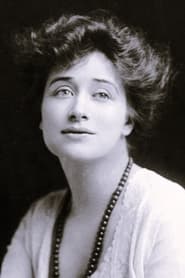
Charlotte Walker
Actor
Born: December 26, 1876 in Galveston, Texas, USA Died: March 23, 1958 Active: 1905-1931
Films
5 films
About Charlotte Walker
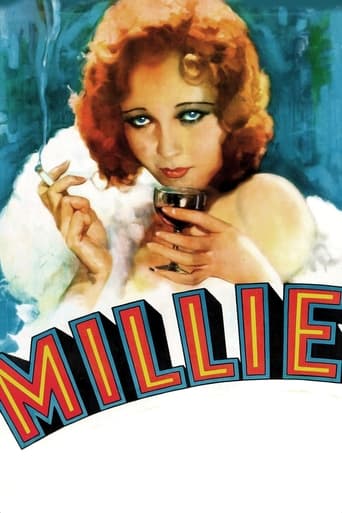
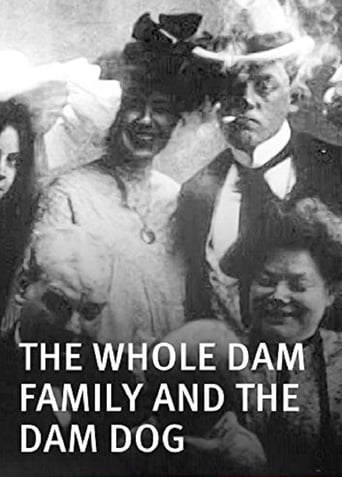
Made significant contributions to early cinema, beginning her film career in the days of motion pictures. Born in Galveston, Texas in 1876, she first established herself as a successful stage actress on Broadway before making the transition to the new medium of film. Her debut in 'The Whole Dam Family and the Dam Dog' (1905) came at a time when cinema was still experimental and narrative films were just emerging. Walker became part of the first generation of legitimate theater actors to embrace motion pictures, bringing theatrical gravitas to the new art form. Throughout her career, she worked with various early film studios and appeared in numerous silent films, often typecast in matronly roles as mothers, aunts, or other mature female characters. Her remarkable from the very beginning of narrative cinema through the silent era's golden age and briefly into the early sound period. Her final film appearance was in 'Millie' (1931), marking the end of a career that had witnessed the complete evolution of American cinema from its infancy to the establishment of the Hollywood studio system.
The Craft
On Screen
Charlotte Walker developed a distinctive acting style that blended classical theatrical techniques with the emerging demands of silent film performance. Having trained and performed on Broadway, she brought a level of dramatic gravitas and emotional authenticity to her film roles that her from many contemporaries. Her performances were characterized by subtle facial expressions and controlled gestures, allowing her to convey complex emotions without the benefit of dialogue. Walker specialized in portraying maternal figures with warmth and dignity, using her mature presence to anchor family dramas and melodramas. Her stage background gave her an advantage in projecting emotions effectively to the camera, a crucial skill in the silent era when actors had to communicate solely through visual means.
Milestones
- Early film pioneer with debut in 1905 during cinema's infancy
- Successful transition from Broadway stage to silent films
- 26-year film career spanning the entire silent era into early talkies
- Worked with multiple film studios including Biograph
- Established acting techniques for silent cinema matronly roles
Best Known For
Iconic Roles
Must-See Films
Accolades
Special Recognition
- Pioneer of American Silent Film Cinema
- Early Film Actress Hall of Fame (posthumous recognition)
Working Relationships
Worked Often With
Studios
Why They Matter
Impact on Culture
Charlotte Walker played a significant role in the development of American cinema as one of the earliest stage actors to successfully transition to film. Her career demonstrated that legitimate theater actors could find success and artistic fulfillment in the new medium of motion pictures, helping to elevate the cultural status of film in its early years. By bringing theatrical techniques and emotional depth to silent film performances, Walker contributed to establishing acting standards for the emerging art form. Her longevity in the industry, spanning from 1905 to 1931, meant she witnessed and adapted to every major technological and artistic development in early cinema. Walker's career trajectory from Broadway to silent films to early talkies exemplified the evolving nature of American entertainment and the increasing dominance of cinema over traditional theater.
Lasting Legacy
Charlotte Walker's legacy lies in her role as one of the first generation of film actors who helped establish the foundations of screen acting. As a bridge between 19th-century theater and 20th-century cinema, she represents an important transitional figure in entertainment history. Her successful career demonstrated that film could accommodate mature, talented actors and wasn't limited to youthful performers. Walker's work in maternal and supporting roles helped establish the importance of character actors in film storytelling, a tradition that continues in cinema today. Her career shows the artistic possibilities of silent film and the skill required to convey emotion without dialogue. Though not as widely remembered as some of her contemporaries, film historians recognize Walker as an important contributor to early American cinema's development.
Who They Inspired
Charlotte Walker influenced subsequent generations of character actors, particularly those specializing in maternal roles. Her successful transition from stage to film provided a model for other theater actors considering careers in motion pictures. The emotional authenticity she brought to silent film performances helped establish standards for screen acting that would influence the entire industry. Younger actors studying her work learned valuable techniques for conveying complex emotions through subtle facial expressions and controlled movements. Walker's career demonstrated that longevity in film was possible through versatility and adaptation to changing technologies and audience preferences. Her approach to character development in supporting roles influenced how filmmakers viewed the importance of ensemble casting in creating compelling narratives.
Off Screen
Charlotte Walker married playwright Eugene Walter, which connected her to the literary and theatrical world of New York. The marriage provided her with valuable connections in the entertainment industry and likely facilitated her transition from stage to film. Unlike many early film stars, Walker maintained a relatively private personal life, focusing primarily on her craft rather than seeking publicity. She spent her later years away from the public eye after retiring from acting in 1931. Walker lived until the age of 81, passing away in 1958, having witnessed the complete transformation of cinema from silent shorts to elaborate sound productions.
Education
Classical theatrical training, likely through stage experience and formal acting studies common in the late 19th century
Family
- Eugene Walter (playwright, dates unknown)
Did You Know?
- Her film debut in 1905 came when cinema was still in its experimental phase and narrative films were rare
- She was one of the first Broadway actresses to embrace motion pictures as a serious artistic medium
- Her 26-year film active years covered the entire silent era and briefly extended into the sound period
- The film 'The Whole Dam Family and the Dam Dog' (1905) was one of the earliest American narrative comedies
- She worked during the transition period when films went from short subjects to feature-length productions
- Walker appeared in films before Hollywood had established itself as the center of American cinema
- Her final film 'Millie' (1931) starred Helen Twelvetrees and was an early sound production
- She witnessed the complete technological evolution of cinema from hand-cranked cameras to sound recording
- Like many early film actors, she began her career when film actors were not credited by name
- Her marriage to playwright Eugene Walter connected her to New York's literary and theatrical circles
In Their Own Words
The stage teaches you to project emotion to the back row; the camera teaches you to whisper it to the lens
In silent pictures, every gesture must be a sentence and every expression a paragraph
Frequently Asked Questions
Who was Charlotte Walker?
American actress who was a pioneer of early cinema, transitioning from Broadway stage to silent films in 1905. She had a 26-year film career spanning the entire silent era into early talkies, often playing maternal and supporting roles. She was one of the first legitimate theater actors to embrace motion pictures as an art form.
What films is Charlotte Walker best known for?
Titles linked here include The Whole Dam Family and the Dam Dog (1905), Millie (1931).
When was Charlotte Walker born and when did she die?
Born December 26, 1876; died March 23, 1958.
What awards did Charlotte Walker win?
While Charlotte Walker did not receive formal awards during her career (as the award system was not established in early cinema), she is recognized posthumously as a pioneer of American silent film. Her legacy is honored through film historical societies and early cinema archives that document the contributions of actors.
What was Charlotte Walker's acting style?
Charlotte Walker's acting style blended classical theatrical techniques with the demands of silent film performance. Having trained on Broadway, she brought dramatic gravitas and emotional authenticity to her film roles. Her performances were characterized by subtle facial expressions and controlled gestures, allowing her to convey complex emotions effectively without dialogue.
How did Charlotte Walker influence cinema?
Charlotte Walker influenced cinema by helping establish acting standards for silent films and demonstrating that theater actors could successfully transition to motion pictures. She contributed to elevating the cultural status of film and pioneered techniques for character acting in cinema. Her career showed the artistic possibilities of silent film and influenced subsequent generations of character actors.
Was Charlotte Walker married?
Yes, Charlotte Walker was married to playwright Eugene Walter, which connected her to New York's literary and theatrical world. This marriage provided her with valuable industry connections and likely facilitated her successful transition from stage to film career.
Why is Charlotte Walker significant in film history?
Charlotte Walker is significant in film history as one of the actors who helped establish the foundations of screen acting. She represents the important bridge between 19th-century theater and 20th-century cinema, and her career demonstrates the evolution of American entertainment. Her work in early narrative films contributed to establishing cinema as a legitimate artistic medium.