

The Whole Dam Family and the Dam Dog
"Meet the Dam family"
Keys: Space play/pause · ←/→ 10s · F fullscreen · M mute · </> speed
About this film
Animated portrait gallery introduces the Dam family and their dog in pun-driven novelty short. Edison trick film plays on surname gag for quick laugh.
Cast & crew
More films like this
More Family films
View all →

More from Edwin S. Porter
View all →

More about this film
About the production
Release dateSeptember 1905
Box officeNot documented - box office tracking was not standardized in 1905
ProductionEdison Manufacturing Company
Filmed inEdison Studios, Bronx, New York
This film was one of Porter's early comedies that demonstrated his understanding of visual humor and timing. The production utilized a single camera setup typical of the period, with the entire action captured in one continuous take. The film was shot on 35mm film and likely took less than a day to produce, which was standard for Edison shorts of this length.
Themes
Family dynamicsOrder versus chaosThe challenges of formal photographyHuman-animal relationshipsThe breakdown of social formality
Themes & topics
Historical background
The Whole Dam Family and the Dam Dog (1905) belongs to Edison's pun and novelty animation experiments.
Why this film matters
Name-pun animation anticipated later title-card gags and family-sitcom caricature.
Making of
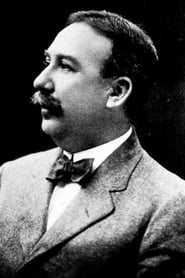
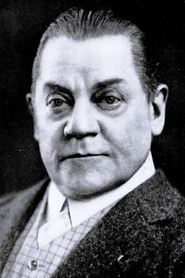
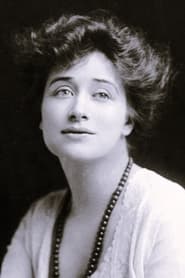
The production of 'The Whole Dam Family and the Dam Dog' took place at Edison's state-of-the-art studio in the Bronx, which was one of the first purpose-built film production facilities in the world. Edwin S. Porter, as the studio's principal director, had significant creative control over the project. The casting of William Courtenay, Frank Daniels, and May Irwin represented Porter's tendency to use established stage performers who could bring theatrical experience to the new medium of film. The dog's performance was carefully choreographed, requiring multiple takes to achieve the desired comedic effect - a challenge in an era when film stock was expensive and editing options were limited. The film was shot in a single day using natural light from the studio's glass roof, a common practice before artificial lighting became standard in film production.
What critics said
Exhibitors used it as opener; historians cite it in early American animation surveys.
Did you know?
- The film was based on a popular comic strip by 'Tad' (Thomas Aloysius Dorgan) that appeared in newspapers
- The title's wordplay on 'Dam' was considered somewhat edgy for its time, though it was clearly meant as a family name
- This was one of the earliest film adaptations of a comic strip, predating many more famous comic-to-film adaptations
- Edwin S. Porter was already established as a major filmmaker by 1905, having directed 'The Great Train Robbery' in 1903
- The film features early use of continuity editing and comedic timing that would become staples of film comedy
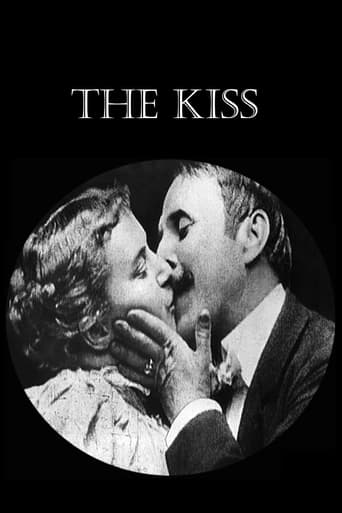
- May Irwin, one of the cast members, was famous for being in 'The Kiss' (1896), one of the first films shown commercially to the public
- The dog in the film was likely a trained animal actor, as animal performances were becoming popular in early cinema
- The film was distributed through Edison's exchange system, reaching theaters across the United States
- This short was part of a trend of 'family comedy' films that Edison produced to appeal to middle-class audiences
- The film's simple premise allowed for clear visual storytelling, important in an era before intertitles became common
Visual style
The cinematography was typical of Edison productions of 1905, utilizing a fixed camera position that captured the entire scene in a wide shot. The filming was done in Edison's glass-walled studio to maximize natural light, creating the bright, clear images preferred by early audiences. The camera work was straightforward and functional, focusing on capturing the action clearly rather than employing artistic camera movement. The composition was carefully arranged to ensure all family members and the dog remained visible throughout the chaos, demonstrating Porter's understanding of spatial relationships in the cinematic frame.
Innovations
While not technologically innovative compared to some of Porter's other works, the film demonstrated mastery of established techniques including effective use of continuity within a single shot, controlled performance direction for multiple actors simultaneously, and successful integration of animal performance with human actors. The film's clear storytelling without the need for intertitles showed the advancing sophistication of narrative cinema in 1905. The production also showcased Edison's improved film stock quality, which allowed for clearer images and better reproduction of motion than earlier films.
Music
As a silent film, 'The Whole Dam Family and the Dam Dog' would have been accompanied by live musical performance during exhibition. Typical accompaniment might have included popular songs of the era, light classical pieces, or improvisation by a house pianist or organist. The music would have been chosen to match the comedic tone of the film, with lively, upbeat selections during the chaotic moments and more stately music during the initial portrait setup. The specific musical selections would have varied by theater and performer, as no standardized score was provided with Edison films of this period.
Famous quotes
No dialogue - silent film
Memorable scenes
- The climactic moment when the entire Dam family simultaneously loses composure as the dog creates maximum chaos during the portrait session, with family members falling, costumes being disheveled, and the formal arrangement completely breaking down into comedic disorder.
What audiences thought
The film was well-received by audiences of the nickelodeon era, who appreciated its straightforward humor and relatable family situation. The concept of a formal portrait session gone wrong resonated with viewers who had similar experiences in the emerging age of photography. The dog's antics provided universal appeal, as animal comedy was consistently popular with early film audiences. The film's brevity made it ideal for the varied programming of nickelodeons, which typically showed multiple short films in each session. Audience response contributed to the film's successful distribution across Edison's exchange network, making it one of the more profitable shorts of 1905.
Film connections
Influenced by
- Popular comic strips of the early 1900s
- Stage comedy traditions
- Vaudeville performance styles
- Early photographic portrait conventions
This film influenced
- Subsequent family comedy shorts
- Later films featuring animals disrupting formal occasions
- Early comic strip adaptations
Film restoration
The film is preserved in the Library of Congress collection and has been made available through various archives and early cinema databases. Prints survive in 35mm format and digital copies exist for scholarly and public access. The film is considered to be in good condition for its age, though some deterioration typical of nitrate film from this period may be present.
Where to watch
- Library of Congress National Screening Room
- Early Cinema databases
- Museum of Modern Art film collection
- Various educational film archives
- Some public domain film websites