
May Irwin
Actor
Born: June 27, 1862 in Whitby, Canada West (now Ontario, Canada) Died: October 22, 1938 Active: 1877-1938 Birth Name: Georgina May Campbell Irwin
Films
2 films
About May Irwin
Canadian-American actress and singer who rose to fame in the late 19th century through vaudeville and musical theater before transitioning to early cinema. Born in Canada West, she began her career as a teenager and quickly became popular entertainers of her time, known for her comic performances and distinctive singing style. Her most significant contribution to film history came with 'The Kiss' (1896), one of the earliest films to depict a romantic kiss, which caused considerable controversy due to its perceived indecency for the era. Beyond her brief film career, Irwin — major star on Broadway and in vaudeville for decades, specializing in what were then called 'coon songs' and comedic characterizations. She continued performing well into the 20th century, adapting her style to changing tastes while maintaining her popularity. Her the transition from Victorian entertainment to modern cinema, making her a unique bridge between theatrical traditions and emerging film technology. Despite the brevity of her film work, her impact on early cinema was significant and her legacy as an entertainment pioneer endures.
The Craft
On Screen
Known for her broad comedic style and exaggerated facial expressions, Irwin's acting was rooted in 19th-century theatrical traditions. Her performances were characterized by robust physical comedy, distinctive character voices, and a commanding stage presence that translated well to early film's close-up shots. She specialized in playing matronly, often boisterous characters with a sentimental streak, using her considerable size and expressive face to maximum effect.
Milestones
- Starred in the controversial film 'The Kiss' (1896)
- One of the highest-paid vaudeville performers of the 1890s
- Successful Broadway career spanning decades
- Pioneer in early cinema with multiple short films
- Popular recording artist in the early 20th century
- Headlined at major venues including the London Palladium
Best Known For
Iconic Roles
Must-See Films
Accolades
Won
- Inducted into Canada's Walk of Fame (2003, posthumous)
Special Recognition
- One of the first film actors to achieve widespread fame
- Pioneer of early cinema techniques
- Recognized as a significant figure in Canadian entertainment history
Working Relationships
Worked Often With
Studios
Why They Matter
Impact on Culture
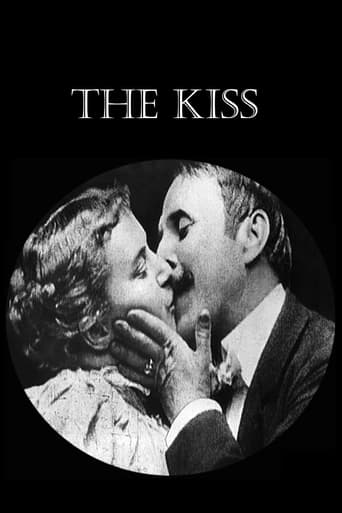
May Irwin's most significant cultural impact came through her participation in 'The Kiss' (1896), which became. The 47-second film, showing Irwin and John Rice recreating a kiss from their Broadway show 'The Widow Jones,' sparked debates about decency in cinema and was censored in many areas. This single film helped establish cinema as a medium capable of eliciting strong emotional and moral responses from audiences. Beyond this, Irwin's successful transition from stage to screen demonstrated the potential for theatrical performers to find success in the new medium of film. Her popularity helped legitimize cinema as entertainment for middle-class audiences who might otherwise have dismissed moving pictures as vulgar or low-brow entertainment.
Lasting Legacy
May Irwin's legacy rests primarily on her role as a bridge between 19th-century theatrical traditions and 20th-century cinema. As one of the first major stage stars to appear in motion pictures, she helped validate the new medium for mainstream audiences. 'The Kiss' remains. Her career demonstrates how early cinema often relied on established theatrical stars to attract audiences. In Canada, she is remembered as one of the country's first international entertainment stars, paving the way for future Canadian performers in American show business. Her recordings and performances also provide valuable documentation of popular entertainment styles from the late Victorian and Edwardian periods.
Who They Inspired
May Irwin influenced early cinema by demonstrating the commercial viability of featuring established theatrical stars in films. Her success encouraged other stage performers to consider film work, helping to bridge the gap between legitimate theater and the新兴 medium of motion pictures. The controversy surrounding 'The Kiss' influenced early film censorship discussions and helped establish boundaries for what was considered acceptable content in cinema. Her vaudeville background influenced the development of early film comedy, particularly in the use of broad physical gestures and exaggerated expressions that worked well in silent film. Later comedians, particularly those working in physical comedy, drew on techniques that performers like Irwin had helped popularize on stage and screen.
Off Screen
May Irwin married twice, first to Frederick W. H. Keller, a wealthy businessman, in 1878, with whom she had two children before his death in 1894. She later married her manager, Kurt Eisfeldt, in 1907, who remained with her until her death. Despite her public persona as a comic entertainer, Irwin was known as a savvy businesswoman who managed her own finances carefully. She maintained homes in both New York City and rural New Jersey, where she enjoyed a quieter life away from the stage. Her daughter, Margaret, followed in her mother's footsteps as a performer, though with less success.
Education
Limited formal education; trained in performance through early vaudeville experience and theater apprenticeships
Family
- Frederick W. H. Keller (1878-1894)
- Kurt Eisfeldt (1907-1938)
Did You Know?
- 'The Kiss' (1896) was the first film to show a kiss on screen and caused a major scandal
- The film was described by one critic as 'absolutely disgusting' and was banned in many cities
- May Irwin was one of the highest-paid performers of the 1890s, earning up to $2,500 per week
- She stood 5'10" tall, unusually tall for a woman of her era, which contributed to her commanding stage presence
- Irwin was known for her 'coon songs,' a genre now considered racially offensive but popular at the time
- She made several phonograph recordings, making her one of the early recording artists
- Despite her brief film career, she continued performing on stage into her 70s
- She owned and operated a successful dairy farm in New Jersey during her later years
- Her sister, Flo Irwin, was also a successful stage performer
- She was one of the first Canadians to achieve international stardom in entertainment
In Their Own Words
On 'The Kiss': 'It was just a little peck, but you would have thought we were committing a crime the way people carried on.'
On her career: 'I've always believed that if you can make people laugh, you can make them listen.'
On vaudeville: 'The stage is the only place where a woman can be as big as she wants to be.'
Frequently Asked Questions
Who was May Irwin?
Canadian-American actress, singer, and vaudeville performer who became one of the first major stage stars to appear in motion pictures. She was particularly famous for her role in 'The Kiss' (1896), one of the earliest films to depict a romantic kiss, which caused considerable controversy in Victorian society.
What films is May Irwin best known for?
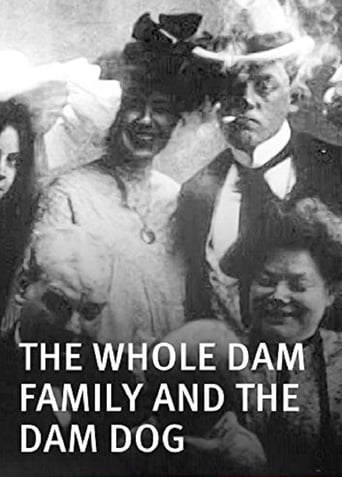
Titles linked here include The Kiss (1896), The Whole Dam Family and the Dam Dog (1905).
When was May Irwin born and when did she die?
Born June 27, 1862; died October 22, 1938.
What awards did May Irwin win?
During her lifetime, May Irwin did not receive formal awards as they were uncommon for entertainers of her era. However, she was posthumously inducted into Canada's Walk of Fame in 2003 in recognition of her contributions to entertainment and her status as one of Canada's first international stars.
What was May Irwin's acting style?
May Irwin's acting style was rooted in 19th-century theatrical traditions, characterized by broad comedy, exaggerated facial expressions, and robust physical performance. She specialized in playing matronly, boisterous characters with a sentimental streak, using her considerable height and expressive face to maximum effect in both stage performances and early films.