


Morocco
"A Legionnaire and a cabaret singer meet in Mogador"
Keys: Space play/pause · ←/→ 10s · F fullscreen · M mute · </> speed
About this film
Mogador, Morocco. Late 1920s. A complex romance develops between a womanizing Legionnaire and a disillusioned Parisian cabaret singer.
Cast & crew
More Drama films
View all →






More from Josef von Sternberg
View all →
More about this film
About the production
Release dateNovember 14, 1930
Budget$491,299.36
Box office$2,000,000 (estimated profit)
ProductionParamount Pictures
Filmed inParamount Studios, Hollywood, California, Imperial County, California (Desert scenes), Yuma, Arizona (Desert scenes)
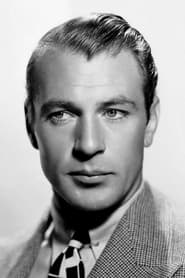
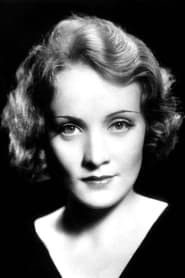
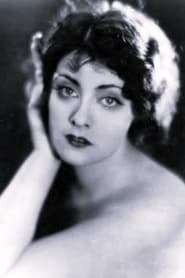
The picture was Marlene Dietrich's American debut, though she had already filmed 'The Blue Angel' in Germany. Director Josef von Sternberg was notoriously meticulous, often clashing with Gary Cooper over his directing style and his perceived favoritism toward Dietrich. Cooper was so frustrated by Sternberg's habit of directing in German and ignoring him that he once physically lifted the director by his collar and demanded he speak English. To compensate for the tension, Cooper brought his then-girlfriend Lupe Vélez to the set to distract him and annoy Sternberg.
Themes
Gender Role ReversalSexual AmbiguityFatalism and DisillusionmentSacrificial LoveColonialism and Exoticism
Themes & topics
French Foreign LegionCabaret SingerCross-dressingSahara DesertLove TrianglePre-CodeMogadorLegionnaire
Historical background
By 1930, Paramount Pictures was supplying United States theaters with titles like Morocco, part of the broader expansion of filmed entertainment into working-class districts and small towns.
Why this film matters
Programmers and historians revisit Morocco (1930) because its story—mogador, morocco—illustrates popular narrative habits and production norms of the period.
Making of
The production was a masterclass in visual control by Josef von Sternberg, who acted as an uncredited cinematographer alongside Lee Garmes. Sternberg was obsessed with Dietrich's image, overseeing everything from the plucking of her eyebrows to the specific angle of the 'butterfly' lighting that created her signature hollow-cheeked look. Gary Cooper felt sidelined by this 'Svengali-like' relationship, leading to a cold atmosphere on set. Despite the personal friction, the production successfully recreated the atmosphere of North Africa on the Paramount backlot and in the California desert, using innovative sound techniques to maintain the visual fluidity of the silent era while embracing the new medium of 'talkies.'
What critics said
English-language trade reviews of Morocco are limited for 1930. Where notices survive, they stress pacing and photographic clarity; later criticism values the title as archival evidence of studio style.
Did you know?
- Marlene Dietrich's performance in a man's tuxedo, where she kisses a female audience member, was one of the first depictions of a lesbian kiss in Hollywood history.
- Gary Cooper pressured the studio to change the title from 'Amy Jolly' to 'Morocco' because he feared Dietrich was getting too much of the spotlight.
- The green Rolls-Royce Phantom II seen in the picture actually belonged to director Josef von Sternberg; he bought it for Dietrich as a welcoming gift to America.
- Dietrich reportedly fainted on set due to the intense heat from the studio lights and the heavy costumes.
- the picture was nominated for four Academy Awards but did not win any, marking Dietrich's only career Oscar nomination.
- Josef von Sternberg and Marlene Dietrich were rumored to be having an affair during production, which contributed to the tension with Gary Cooper.
- the picture's ending, where Amy Jolly follows the troops into the desert, was highly controversial and considered among the leading romantic gestures in cinema history.
- The script was adapted from the 1927 novel 'Amy Jolly' by Benno Vigny, which Dietrich had given to Sternberg as a parting gift in Germany.
- the picture was selected for preservation in the National Film Registry in 1992.
Awards & recognition
- National Board of Review: Top Ten Films (1930)
- National Film Registry (Inducted 1992)
Visual style
The cinematography by Lee Garmes (with heavy without on-screen billing input from Sternberg) is characterized by its 'North African' atmosphere created through intricate light and shadow. the picture utilizes 'butterfly lighting' to accentuate Dietrich's facial structure and employs deep shadows to create a dreamlike, almost surreal environment. Sternberg's mastery of the frame allowed for a visual storytelling style that didn't rely on heavy dialogue, preserving the artistic elegance of the late silent period.
Innovations
the picture was a technical pioneer in integrating sound without sacrificing camera movement. At a time when many early 'talkies' were static and stagey due to bulky sound equipment, Sternberg maintained a fluid camera. The art direction by Hans Dreier was also a major achievement, successfully transforming a Hollywood backlot into a convincing, atmospheric Mogador.
Music
The soundtrack features music by Karl Hajos (uncredited) and includes several iconic songs performed by Dietrich, such as 'Give Me the Man,' 'What Am I Bid?', and 'Quand l'Amour Meurt.' the picture is notable for its use of silence and ambient sound—like the marching of boots and the wind in the desert—to build tension and mood, rather than relying on a continuous orchestral score.
Famous quotes
Amy Jolly: 'There's a foreign legion of women, too. But we have no uniforms, no flags, and no medals when we are brave; no wound stripes when we are hurt.'
Tom Brown: 'I've told women just about everything a man could say, and I'll tell you something I've never told a woman before—I wish I'd met you ten years ago.'
Amy Jolly: 'I understand that men are never asked why they entered the Foreign Legion.'
Tom Brown: 'Anybody who has faith in me is a sucker.'
Amy Jolly: 'You better go now... I am beginning to like you.'
Memorable scenes
- The Cabaret Performance: Dietrich appears in a top hat and tails, sings in French, and kisses a woman in the audience before tossing a flower to Gary Cooper.
- The Mirror Message: Tom Brown writes 'I changed my mind. Good luck!' on Amy's dressing room mirror in lipstick, a heartbreaking moment of perceived abandonment.
- The Finale: Amy Jolly kicks off her high heels and walks barefoot into the desert sands to follow the Legionnaires' caravan into the horizon.
What audiences thought
Audiences in 1930 were captivated by the picture, making it a significant box office success for Paramount with an estimated $2 million profit. Marlene Dietrich became an overnight sensation in America, with moviegoers enthralled by her 'exotic' allure and deep, throaty voice. the picture's romantic ending was particularly resonant with the public, cementing its status as one of the great screen romances of the early sound era.
Film connections
Influenced by
- The Blue Angel (1930)
- Weimar Cinema
- Amy Jolly (Novel by Benno Vigny)
- Orientalism in Art
This film influenced
- Casablanca (1942)
- The English Patient (1996)
- Victor/Victoria (1982)
- Seven Hufeisen (1938)
Film restoration
the picture is well-preserved. It was selected for preservation in the United States National Film Registry by the Library of Congress in 1992 for being 'culturally, historically, or aesthetically significant.' High-quality restorations have been released on Blu-ray by The Criterion Collection.
Where to watch
- The Criterion Channel
- Apple TV (Rent/Buy)
- Amazon Prime Video (Rent/Buy)
- Kanopy (via library access)