
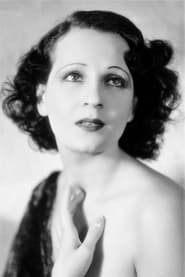
Juliette Compton
Actor
Born: May 3, 1899 in Columbus, Georgia, USA Died: March 19, 1989 Active: 1924-1941
Films
2 films
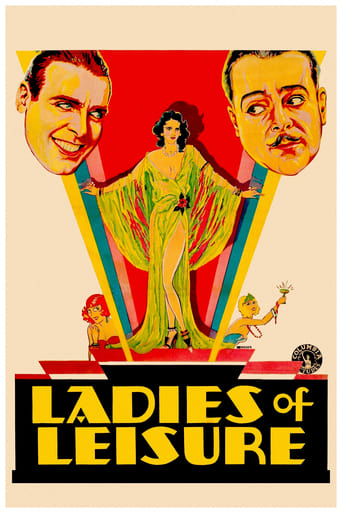
About Juliette Compton
Sophisticated American actress: the transition from silent films to the early sound era, primarily known for portraying elegant aristocrats and 'other woman' roles. Born in Georgia, she began her professional life as a model and stage performer, notably appearing as one of the Ziegfeld Follies girls in New York City. Her striking beauty led her to England in the 1920s, where she established herself as a significant star of the British silent screen in numerous productions for companies like Gaumont. Upon returning to Hollywood for the advent of talkies, she quickly secured roles in high-profile Pre-Code films, often cast as the polished, sometimes icy rival to the leading lady. Her most enduring performances came in 1930, where she held her own against icons like Marlene Dietrich in 'Morocco' and Barbara Stanwyck in 'Ladies of Leisure'. Despite her talent for delivering sharp, cultured dialogue, her screen career tapered off by the late 1930s as she transitioned into a private life of high society.
The Craft
On Screen
Compton was noted for her 'patrician' acting style, characterized by a refined vocal delivery, impeccable posture, and an aura of sophisticated detachment. She excelled at playing high-society women, often utilizing a subtle, understated approach to convey malice or jealousy, which made her a perfect foil for the more emotive 'working-class' heroines of the Pre-Code era.
Milestones
- Featured as a Ziegfeld Follies girl in the early 1920s
- Became a major silent film star in the United Kingdom during the mid-1920s
- Successfully transitioned to sound films in Hollywood with 'Ladies of Leisure' (1930)
- Played the pivotal role of Anna Dolores in the Oscar-nominated 'Morocco' (1930)
- Cast as Lady Sneerwell in the 1930 production of 'The School for Scandal'
- Maintained a steady career as a character actress in major studio productions throughout the 1930s
Best Known For
Iconic Roles
Must-See Films
Accolades
Special Recognition
- Recognized as one of the 'WAMPAS Baby Stars' of 1926 (though she was already established in the UK)
- Featured in numerous contemporary fashion and beauty magazines as an exemplar of the 'Modern Woman' of the 1930s
Working Relationships
Worked Often With
Studios
Why They Matter
Impact on Culture
Juliette Compton represented the 'Continental' style of American actress—performers who gained polish in Europe before returning to influence Hollywood's aesthetic. Her presence in 'Morocco' helped define the visual and social hierarchy of the early sound era's exotic melodramas. She served as a bridge between the silent era's emphasis on physical beauty and the sound era's requirement for sophisticated, mid-Atlantic vocal performances.
Lasting Legacy
While not a household name today, Compton's legacy survives through her contributions to several 'National Film Registry' caliber movies. She is remembered by film historians as a quintessential 'Pre-Code' actress who embodied the sophisticated, often morally ambiguous socialite that defined the era's cinematic landscape. Her work in 'Ladies of Leisure' remains a textbook example of the 'society rival' archetype.
Who They Inspired
Her icy, refined screen persona influenced the casting of 'society' villains and rivals for decades, setting a template that would be followed by later actresses like Gail Patrick and Alexis Smith.
Off Screen
Juliette Compton was known for her elegance both on and off the screen, often moving in elite social circles. She was married to James Bartram, an Australian businessman and socialite, in 1926. The marriage eventually ended in divorce in 1941. After retiring from the screen in the early 1940s, she lived a relatively private life, eventually settling in California where she remained until her death at the age of 89.
Education
Educated in private schools in the Southern United States before moving to New York to pursue a career in modeling and the arts.
Family
- James Bartram (1926-1941)
Did You Know?
- She was a genuine Ziegfeld Follies girl before moving to England.
- She was often mistaken for being British due to her years working in the UK film industry and her refined accent.
- She appeared in the first British talking film, 'The Third Eye' (1929), though it was a part-talkie.
- She was considered.
- Her performance in 'Morocco' is often cited by fans of Marlene Dietrich for the chemistry and tension she brought to the screen.
- She retired from acting relatively early, with her last credited role in 1941's 'That Hamilton Woman'.
- She lived to the age of 89, outliving many of her Golden Age contemporaries.
In Their Own Words
Regarding her role in 'Morocco': 'Working with Von Sternberg was like being part of a moving painting; he cared more about the shadow on your cheek than the lines in your script.'
On her career: 'I have always preferred the roles of women with a bit of steel in their spine.'
Frequently Asked Questions
Who was Juliette Compton?
American actress of the silent and early sound eras, famous for her roles as sophisticated socialites and elegant antagonists in 1930s Hollywood.
What films is Juliette Compton best known for?
Titles linked here include Morocco (1930), Ladies of Leisure (1930).
When was Juliette Compton born and when did she die?
Born May 3, 1899; died March 19, 1989.
Was Juliette Compton British?
No, she was American, but she spent a significant portion of the 1920s starring in British films, which led many to believe she was English due to her refined accent.
What was Juliette Compton's acting style?
She was known for a patrician and poised acting style, specializing in 'the other woman' or high-society roles that required a cold, aristocratic elegance.