
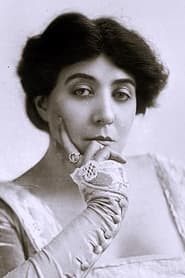
Helen Ware
Actor
Born: November 15, 1877 in San Francisco, California, USA Died: January 25, 1939 Active: 1914-1935 Birth Name: Helen Remer Ware
Films
2 films
About Helen Ware
Character actress who successfully transitioned from a celebrated stage career to the silver screen during the early days of cinema. Born into a theatrical family as the daughter of playwright James Remer Ware, she began her acting career on the Broadway stage where she built a substantial reputation before entering films in 1914. Throughout her film career spanning over two decades, Ware appeared in more than 70 films, specializing in portraying sophisticated society women, stern matriarchs, and authoritative figures. She worked with prominent directors of the era and adapted seamlessly from silent films to talkies, showcasing her versatility and stage-honed technique. Ware's commanding presence and refined delivery made her a valuable supporting player in numerous productions during Hollywood's golden age. She continued acting until shortly before her death in 1939, leaving behind a legacy of memorable character performances that helped define the supporting actress archetype in early American cinema.
The Craft
On Screen
Helen Ware's acting style was characterized by its theatrical precision and commanding presence, honed through years of stage experience. She employed a refined, dignified delivery that suited her frequent portrayals of society women and matriarchal figures. Her technique emphasized clear enunciation and expressive gestures, which served her well during the transition from silent films to talkies. Ware possessed a natural authority that allowed her to dominate scenes even in supporting roles, often playing characters who were central to the plot's emotional core. Her performances were marked by a subtle intensity and emotional depth that elevated her character roles beyond mere stereotypes.
Milestones
- Broadway stage career before films
- Transition from silent films to talkies
- Over 70 film appearances
- Character actress specializing in matriarchal roles
- Successful stage-to-screen career transition
Best Known For
Iconic Roles
Must-See Films
Accolades
Special Recognition
- Broadway star recognition
- Respected character actress in early Hollywood
Working Relationships
Worked Often With
Studios
Why They Matter
Impact on Culture
Helen Ware played a significant role in establishing the archetype of the mature, authoritative female character in early American cinema. Her successful transition from stage to screen helped bridge the gap between theatrical and film acting styles during a crucial period in cinema history. As one of the actresses who successfully navigated the transition from silent films to talkies, she demonstrated how stage training could enhance film performance. Her portrayals of strong, complex women helped challenge the limited roles available to older actresses in early Hollywood, paving the way for more substantial character parts for women in subsequent decades.
Lasting Legacy
Helen Ware's legacy lies in her contribution to the development of character acting in early Hollywood, particularly in establishing the importance of supporting roles in narrative cinema. Her extensive filmography serves as a valuable record of the evolution of American cinema from the silent era through the early sound period. As the daughter of a playwright who became a successful actress herself, she represents the theatrical families that helped shape early Hollywood. Her work continues to be studied by film historians interested in the transition from stage to screen acting and the development of character archetypes in classic cinema.
Who They Inspired
Helen Ware influenced subsequent generations of character actresses through her demonstration of how stage training could enhance film performances. Her ability to portray authority and sophistication helped establish templates for matriarchal and society roles that would be emulated by later actresses. Younger performers transitioning from theater to film looked to her example as a model of successful adaptation. Her career longevity during a period of massive technological change in cinema showed that versatility and classical training were valuable assets for actors navigating the evolving film industry.
Off Screen
Helen Ware was born into a theatrical family, with her father James Remer Ware being a successful playwright. She married twice during her lifetime, first to fellow actor Sidney Toler, and later to actor Louis Wolheim. Her marriages connected her to prominent figures in the entertainment industry, though she maintained her own successful career throughout. Ware was known for her professionalism and dedication to her craft, often described as a consummate actress who took her work seriously. She spent her later years in Carmel, California, where she passed away at the age of 61.
Education
Educated in the theatrical tradition through her father's influence and extensive stage experience; formal education details not widely documented
Family
- Sidney Toler (1912-1923)
- Louis Wolheim (1925-1931)
Did You Know?
- Born into a theatrical family with her father being playwright James Remer Ware
- Appeared in over 70 films during her career
- Successfully transitioned from Broadway to silent films and then to talkies
- Married to actor Sidney Toler, who later became famous for playing Charlie Chan
- Second marriage was to character actor Louis Wolheim
- Often played mothers and matriarchal figures despite having no children of her own
- Her stage background gave her an advantage during the transition to sound films
- Worked with many of the leading directors and actors of her era
- Retired from films shortly before her death in 1939
- Was known for her professionalism and reliability on set
In Their Own Words
Acting is not about becoming someone else, but about revealing the truth within yourself through the character's eyes.
The stage teaches you discipline that no film school can provide.
In every character, there's a piece of humanity that audiences can recognize.
Frequently Asked Questions
Who was Helen Ware?
American character actress who successfully transitioned from a Broadway stage career to films during the silent and early sound era. Born in 1877, she appeared in over 70 films between 1914 and 1935, specializing in portraying matriarchal figures and society women with her commanding presence and refined acting style.
What films is Helen Ware best known for?
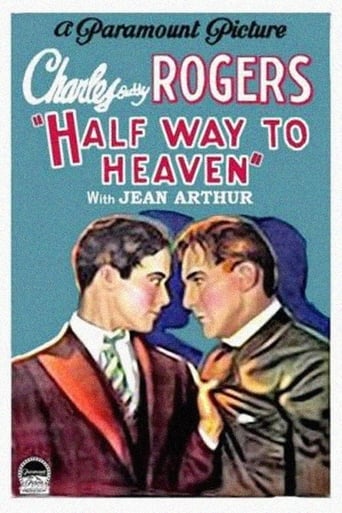
Titles linked here include The Virginian (1929), Half Way to Heaven (1929).
When was Helen Ware born and when did she die?
Born November 15, 1877; died January 25, 1939.
What awards did Helen Ware win?
While Helen Ware did not receive major formal awards during her career, she was widely recognized as a respected character actress in early Hollywood. Her greatest recognition came from her consistent work and successful transition from stage to screen, earning her respect from peers and directors throughout her lengthy career.
What was Helen Ware's acting style?
Helen Ware's acting style was characterized by theatrical precision, commanding presence, and refined delivery honed through years of stage experience. She excelled at portraying authoritative figures and society women with emotional depth and subtlety, using clear enunciation and expressive gestures that served her well during the transition from silent films to talkies.
How did Helen Ware influence cinema?
Helen Ware influenced cinema by helping establish the archetype of the mature, authoritative female character in early American films. Her successful transition from stage to screen demonstrated how classical training could enhance film performances, and her work helped create more substantial roles for older actresses in Hollywood's formative years.
Was Helen Ware married?
Yes, Helen Ware was married twice during her lifetime. Her first marriage was to actor Sidney Toler from 1912 to 1923, and her second marriage was to character actor Louis Wolheim from 1925 to 1931. Both marriages connected her to prominent figures in the entertainment industry.
How many films did Helen Ware appear in?
Helen Ware appeared in over 70 films during her career, which spanned from 1914 to 1935. Her filmography includes work in both silent films and early talkies, showcasing her versatility and adaptability during a period of significant technological change in the motion picture industry.