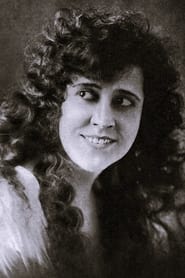
Leah Baird
Actor
Born: June 20, 1883 in Chicago, Illinois, USA Died: October 3, 1971 Active: 1910-1942 Birth Name: Leah Margaret Baird
Films
3 films
About Leah Baird
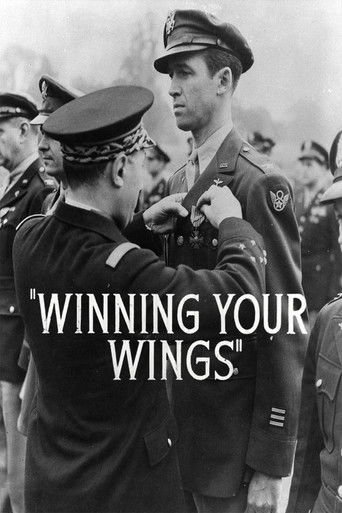
American actress and screenwriter who enjoyed a remarkable career spanning three decades of cinema history, from the early silent era through the golden age of Hollywood. Born in 1883, she began her film career in 1910 with the Vitagraph Company, quickly establishing herself as one of the leading actresses of the silent period. Baird was particularly known for her work in historical epics and dramatic roles, starring in numerous films for prominent studios including Fox and Universal. In addition to her acting career, she successfully transitioned into screenwriting during the 1920s, penning scripts for several major productions. Her versatility allowed her to remain relevant through the transition to sound films, though her on-screen appearances became less frequent as she focused more on writing. Baird's final film appearance was in the 1942 war film 'Winning Your Wings,' capping off a career that witnessed the entire evolution of early American cinema. Her contributions to both silent and sound films, along with her work behind the camera, cement her legacy as an important figure in early Hollywood history.
The Craft
On Screen
Leah Baird was known for her expressive and naturalistic acting style that was particularly well-suited to the dramatic requirements of silent cinema. She possessed a commanding screen presence and was adept at conveying complex emotions through subtle facial expressions and body language, a crucial skill in the era before synchronized dialogue. Her performances were characterized by their emotional depth and authenticity, setting her apart from many of her contemporaries who relied on more theatrical techniques. Baird excelled in period pieces and historical dramas, where her dignified bearing and classical training served her well.
Milestones
- Leading actress for Vitagraph Company in early 1910s
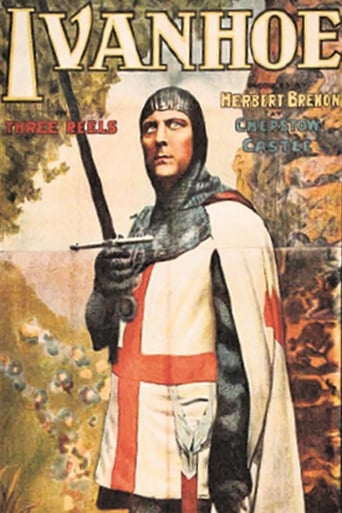
- Starred in the first American version of Ivanhoe (1913)
- Successfully transitioned from silent films to talkies
- Became a prolific screenwriter in the 1920s and 1930s
- Appeared in over 100 films during her career
- Worked with major studios including Fox, Universal, and Paramount
Best Known For
Iconic Roles
Must-See Films
Accolades
Special Recognition
- Hollywood Walk of Fame star (for contributions to motion pictures)
Working Relationships
Worked Often With
Studios
Why They Matter
Impact on Culture
Leah Baird played a significant role in the development of American cinema during its formative years, helping to establish the star system and demonstrating the commercial viability of feature-length films. Her work in historical epics like 'Ivanhoe' helped popularize the genre and proved that audiences would respond to sophisticated literary adaptations on screen. As one of the few women to successfully transition from acting to screenwriting during the early studio era, she paved the way for future generations of women in film production. Baird's longevity in the industry, spanning from the nickelodeon era through the golden age of Hollywood, made her a living link between different eras of American cinema.
Lasting Legacy
Leah Baird's legacy endures as proof of the versatility and adaptability required to succeed in the rapidly evolving film industry of the early 20th century. Her contributions as both an actress and screenwriter helped shape the narrative techniques and storytelling methods that would define American cinema. While many of her films have been lost to time, her influence on the development of screen acting and her work as a woman in film production continue to be recognized by film historians. Her career serves as an important example of how artists could successfully navigate the transition from silent films to talkies and remain relevant across multiple decades of technological and artistic change.
Who They Inspired
Leah Baird influenced subsequent generations of actors through her naturalistic acting style, which helped move screen performance away from theatrical gestures toward more subtle and realistic expressions. Her successful transition to screenwriting demonstrated the possibilities for creative growth and career longevity in the film industry, inspiring other performers to explore roles behind the camera. Baird's work in historical dramas helped establish conventions for the genre that would influence filmmakers for decades. Her ability to maintain a successful career across different eras of filmmaking provided a model for adaptability that continues to be relevant in today's rapidly changing entertainment landscape.
Off Screen
Leah Baird was married to film director and producer Arthur Berthelet, with whom she frequently collaborated on various film projects. The couple married in 1915 and their partnership extended beyond their personal life into their professional careers, with Berthelet often directing films in which Baird starred. Baird was known for her intelligence and business acumen, which helped her navigate the rapidly changing film industry and successfully transition from acting to screenwriting. She was also noted for her dedication to the craft of filmmaking and her willingness to adapt to new technologies and industry trends throughout her long career.
Education
Educated in Chicago, with early training in dramatic arts and theater before entering films
Family
- Arthur Berthelet (1915-1943, his death)
Did You Know?
- Was one of the highest-paid actresses of the early 1910s
- Wrote over 30 screenplays during her career
- Her film 'The Battle Cry of Peace' (1915) was used for military recruitment during WWI
- Was a founding member of the Motion Picture Relief Fund
- Appeared in both the first American version of Ivanhoe (1913) and later worked on adaptations of other classic literary works
- Survived the transition from silent films to talkies when many of her contemporaries did not
- Her final film appearance at age 59 was in a military training film during WWII
- Was known for her business acumen and negotiated many of her own contracts
- Maintained friendships with other actresses like Mary Pickford and Florence Lawrence
- Her star on the Hollywood Walk of Fame is located at 6150 Hollywood Boulevard
In Their Own Words
The moving picture is not merely entertainment; it is an art form that speaks to the universal human experience across all boundaries of time and space.
In the silent drama, the actor must become a poet of motion, conveying through gesture and expression what words cannot say.
The transition to sound was not an ending but a new beginning, offering fresh opportunities for those willing to embrace change.
Frequently Asked Questions
Who was Leah Baird?
American actress and screenwriter who worked in Hollywood from 1910 to 1942, spanning the silent era through the golden age of cinema. She was one of the leading actresses of the 1910s and later became a successful screenwriter, appearing in over 100 films during her career.
What films is Leah Baird best known for?
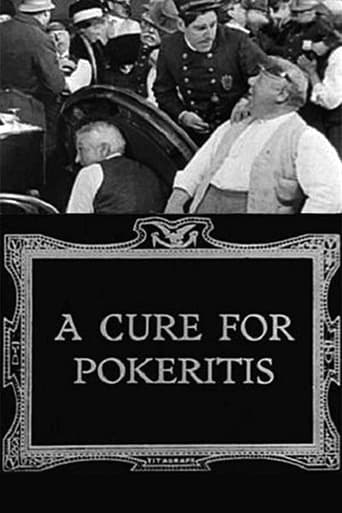
Titles linked here include A Cure for Pokeritis (1912), Ivanhoe (1913).
When was Leah Baird born and when did she die?
Born June 20, 1883; died October 3, 1971.
What awards did Leah Baird win?
While Leah Baird did not receive major acting awards during her career, she was honored with a star on the Hollywood Walk of Fame for her significant contributions to motion pictures. Her recognition came primarily through her longevity and influence in the early film industry.
What was Leah Baird's acting style?
Leah Baird was known for her naturalistic and expressive acting style that was particularly effective in silent films. She excelled at conveying complex emotions through subtle facial expressions and body language, and was especially acclaimed for her performances in historical dramas and period pieces.
Did Leah Baird work behind the camera?
Yes, Leah Baird successfully transitioned into screenwriting during the 1920s and 1930s, writing over 30 screenplays. This dual career as both actress and writer made her one of the more versatile figures in early Hollywood, and she was married to director Arthur Berthelet, with whom she frequently collaborated.