Charles Drake
Actor
Born: October 2, 1917 in New York City, New York, USA Died: September 10, 1994 Active: 1942-1975 Birth Name: Charles L. Rupp
Films
1 film
About Charles Drake
Charles Drake, born Charles L. Rupp, was an American actor who enjoyed a prolific career spanning over three decades in Hollywood's Golden Age. He began his career in the early 1940s after being discovered by a talent scout while working as a stockbroker's clerk. Drake signed with Universal Pictures and quickly became a reliable supporting actor, appearing in more than 80 films throughout his career. He was particularly known for his work in Westerns and dramas, often portraying the clean-cut, all-American type or the dependable friend to the leading man. Drake worked with some of Hollywood's biggest stars, including James Stewart, Rock Hudson, and Doris Day. His most notable performances came in the 1950s with films like 'Harvey' (1950) and 'Magnificent Obsession' (1954). Later in his career, he transitioned successfully to television, appearing in numerous series during the 1960s and 1970s. Drake retired from acting in the mid-1970s and spent his remaining years in Connecticut.
The Craft
On Screen
Drake was known for his natural, understated acting style that made him perfect for supporting roles. He had a warm, affable screen presence that allowed him to play the reliable friend, trustworthy neighbor, or steadfast colleague with authenticity. His performances were marked by subtlety rather than showmanship, often providing the emotional anchor in ensemble casts. Drake had particular skill in Westerns, where his tall, lanky frame and earnest demeanor made him believable as both lawmen and ordinary citizens. He never sought the spotlight but consistently delivered solid, professional performances that enhanced the films he appeared in.
Milestones
- Signed contract with Universal Pictures in 1942
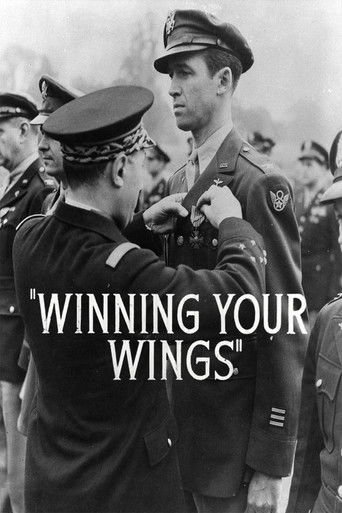
- Appeared in the Army Air Forces training film 'Winning Your Wings' (1942)
- Breakthrough role in 'Harvey' (1950) alongside James Stewart
- Memorable performance in 'Magnificent Obsession' (1954) with Rock Hudson
- Appeared in the classic 'To Kill a Mockingbird' (1962)
- Successful transition to television in the 1960s
- Retired from acting after 33 years in the industry
Best Known For
Iconic Roles
Must-See Films
Accolades
Special Recognition
- Hollywood Walk of Fame star for contributions to motion pictures
Working Relationships
Worked Often With
Studios
Why They Matter
Impact on Culture
Charles Drake represents the quintessential Hollywood character actor who, while never achieving leading man status, contributed significantly to the quality and success of numerous classic films. His consistent presence in Hollywood during its Golden Age made him a familiar face to movie audiences of the 1940s, 50s, and 60s. Drake's work in socially significant films like 'To Kill a Mockingbird' demonstrated how supporting actors could contribute to important cultural conversations. His career exemplifies the studio system's ability to develop reliable performers who could adapt to various genres and roles, serving as the backbone of Hollywood's output during its most productive period.
Lasting Legacy
Charles Drake's legacy lies in his remarkable body of work that spans over three decades of American cinema. While he may not be a household name today, film historians and classic movie enthusiasts recognize his contributions to some of Hollywood's most beloved films. His performances continue to be appreciated by new generations discovering classic cinema through television revivals and streaming services. Drake represents the thousands of talented actors who formed the foundation of Hollywood's Golden Age, ensuring that every film had depth and quality through their supporting performances. His career shows the value of professionalism, reliability, and craft in the entertainment industry.
Who They Inspired
Drake influenced younger actors through his example of professionalism and his ability to make the most of every role, regardless of size. His natural acting style, which avoided theatrical affectations, paved the way for more realistic performances in supporting roles. Many character actors who followed in his footsteps looked to his career as a model for how to build a lasting career in Hollywood without becoming a star. His ability to work across genres and maintain steady employment demonstrated the value of versatility and reliability in the film industry.
Off Screen
Charles Drake was known for being a private individual who maintained a low profile despite his lengthy Hollywood career. He married twice during his lifetime, first to actress Anne Ayars, with whom he had two children. After their divorce, he married his second wife, Anne, with whom he remained until his death. Drake was respected by his colleagues for his professionalism and reliability on set. Unlike many Hollywood actors of his era, he avoided scandal and maintained a reputation as a devoted family man. After retiring from acting, he lived quietly in East Lyme, Connecticut, away from the Hollywood spotlight.
Education
Attended local schools in New York, no formal acting training
Family
- Anne Ayars (1944-1952)
- Anne Drake (1953-1994)
Did You Know?
- Born Charles L. Rupp but changed his name to avoid confusion with another actor named Charles Rupp
- Was discovered by a talent scout while working as a stockbroker's clerk
- Appeared in over 80 films during his 33-year career
- Was 6'2" tall, which made him ideal for Westerns and dramatic roles
- Served in the United States Army Air Forces during World War II
- His first film appearance was in the Army training film 'Winning Your Wings' (1942)
- Often played the best friend or rival to the leading man
- Was under contract to Universal Pictures for most of his film career
- Successfully transitioned to television when film roles diminished in the 1960s
- Retired to Connecticut and lived a quiet life away from Hollywood
In Their Own Words
I never wanted to be a star. I just wanted to be a good actor and make a living.
Every role, no matter how small, is important to the picture. That's how I approached my work.
Working with Jimmy Stewart in 'Harvey' was one of the highlights of my career. He taught me so much about natural acting.
Frequently Asked Questions
Who was Charles Drake?
Screen credits include over 80 films from 1942 to 1975, primarily known for his supporting roles in Universal Pictures films, Westerns, and dramas like 'Harvey' and 'To Kill a Mockingbird'.
What films is Charles Drake best known for?
Titles linked here include Harvey (1950), Magnificent Obsession (1954).
When was Charles Drake born and when did he die?
Born October 2, 1917; died September 10, 1994.
What awards did Charles Drake win?
While Charles Drake did not receive major acting awards during his career, he was honored with a star on the Hollywood Walk of Fame for his contributions to motion pictures.
What was Charles Drake's acting style?
Drake was known for his natural, understated acting style with a warm screen presence, making him perfect for reliable supporting roles as the trustworthy friend or steadfast colleague.
Did Charles Drake serve in the military?
Yes, Drake served in the United States Army Air Forces during World War II and appeared in the training film 'Winning Your Wings' (1942) early in his career.
What was Charles Drake's real name?
Charles Drake was born Charles L. Rupp but changed his professional name to avoid confusion with another actor named Charles Rupp.
How long was Charles Drake's career?
Charles Drake had a 33-year career in entertainment, from his first film in 1942 until his retirement in the mid-1970s, appearing in both films and television.