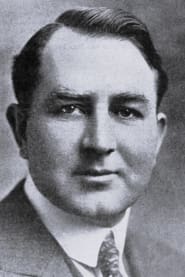
Born: June 20, 1885 in Ottawa, Ontario, CanadaDied: December 3, 1957Active: 1909-1916Birth Name: Frank Ernest Powell
About Frank Powell
Frank Powell was a pioneering figure in early American cinema, beginning his career as an actor with D.W. Griffith at Biograph Studios in 1909. He quickly became one of Griffith's most reliable character actors, appearing in dozens of the director's groundbreaking short films that helped establish the language of cinema. Powell transitioned to directing around 1912, initially helming shorts for Biograph before moving to Fox Film Corporation where he achieved his greatest success. His directorial masterpiece 'A Fool There Was' (1915) not only launched the career of Theda Bara but also popularized the 'vamp' archetype that would dominate popular culture for decades. Powell's career spanned the crucial transitional period from the nickelodeon era to the feature film format, though his directorial output declined after 1916. He eventually left filmmaking entirely by the early 1920s, disappearing from public life despite his significant contributions to early cinema. His legacy remains tied to his role in discovering and developing Theda Bara, as well as his work during cinema's formative years.
The Craft
On Screen
Powell was a versatile character actor in the Griffith stock company, known for his naturalistic approach in an era of theatrical acting. He specialized in playing authoritative figures, often portraying doctors, businessmen, and paternal characters. His performances were notable for their subtlety and restraint, avoiding the exaggerated gestures common in early cinema. Powell had a commanding screen presence that allowed him to convincingly play both sympathetic and antagonistic roles. His work with Griffith helped establish more realistic acting techniques that would influence subsequent generations of film actors.
Behind the Camera
As a director, Powell showed a keen understanding of visual storytelling and character development, heavily influenced by his time under Griffith's tutelage. He favored dramatic narratives with strong moral undertones and complex female protagonists. Powell demonstrated particular skill in creating atmospheric tension and psychological depth, as evidenced in his handling of the vamp character in 'A Fool There Was.' His direction emphasized close-ups and expressive performances, techniques he learned from Griffith but applied with his own distinctive sensibility. Powell's visual style was more intimate and character-focused than many of his contemporaries, contributing to the psychological realism of his films.
Milestones
Joined D.W. Griffith's Biograph acting company in 1909
Appeared in over 40 Biograph shorts between 1909-1912
Transitioned to directing in 1912
Directed the breakthrough hit 'A Fool There Was' (1915) starring Theda Bara
Helped establish Fox Film Corporation's feature film division
Discovered and mentored Theda Bara, creating the 'vamp' persona
Best Known For
Iconic Roles
The Doctor in 'The Country Doctor' (1909)
The Banker in 'A Corner in Wheat' (1909)
John in 'A Strange Meeting' (1909)
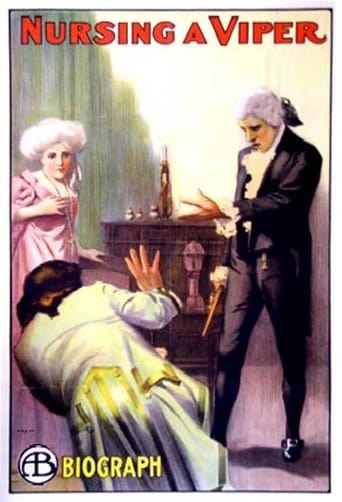
The Husband in 'Nursing a Viper' (1909)
Must-See Films
A Fool There Was
1915
A Corner in Wheat
1909
The Country Doctor
1909
All on Account of the Milk
1910
The Voice of the Violin
1909
],
awards
nominations
honors
Pioneer of early American cinema,Recognized for launching Theda Bara's career
personalLife
Frank Powell married fellow actress Clara Blandick in 1907, who would later become famous for playing Auntie Em in 'The Wizard of Oz' (1939). The marriage ended in divorce in 1910, reportedly due to the pressures of their respective acting careers. Powell never remarried and had no children. After leaving the film industry in the early 1920s, he lived a relatively private life, working in various business ventures outside of entertainment. He spent his later years in California, maintaining connections with some former colleagues but largely avoiding the Hollywood spotlight. Powell's personal life remained notably private, especially compared to the public personas of many of his contemporaries.
spouses
Clara Blandick (1907-1910)
children
education
Limited formal education; trained in theater before entering films
studioAffiliations
Biograph Studios,Fox Film Corporation,Majestic Motion Picture Company
frequentCollaborators
D.W. Griffith,Mack Sennett,Linda Arvidson,Henry B. Walthall,Mary Pickford
mentors
D.W. Griffith
protégés
Theda Bara
culturalImpact
Frank Powell's most significant cultural contribution was the creation and popularization of the 'vamp' character through his direction of 'A Fool There Was.' This film not only launched Theda Bara's career but also established a new archetype of female sexuality and danger in popular culture that would influence cinema for decades. The term 'vamp' entered the American lexicon as shorthand for a seductive, predatory woman, directly stemming from Powell's film. His work during the transitional period from shorts to features helped establish the commercial viability of feature-length productions in America. Powell's collaborations with D.W. Griffith contributed to the development of cinematic language and narrative techniques that would become industry standards.
legacy
Frank Powell's legacy in film history is primarily tied to his role in early American cinema's development and his discovery of Theda Bara. While his name is not widely recognized today, film historians acknowledge his importance as a bridge figure between the nickelodeon era and the feature film period. His directorial work, particularly 'A Fool There Was,' represents a crucial moment in the evolution of American cinema's approach to sexuality and female representation. Powell's career trajectory from actor to director exemplified the opportunities for advancement available to ambitious filmmakers during cinema's formative years. His disappearance from the industry after the 1910s remains a subject of speculation among film historians, adding to his mystique as a pioneering figure who helped shape Hollywood's golden age.
influence
Powell influenced early cinema primarily through his work with D.W. Griffith and his development of the vamp character. His naturalistic acting style in Griffith's films contributed to the move away from theatrical performances toward more cinematic acting techniques. As a director, he influenced how female sexuality and power were portrayed on screen, paving the way for more complex female characters in American cinema. His success with 'A Fool There Was' demonstrated the commercial potential of feature films with controversial themes, encouraging studios to take more risks with their productions. Powell's mentorship of Theda Bara helped establish the star system that would dominate Hollywood for decades, showing how carefully crafted personas could drive box office success.
trivia
Was born in Canada but became a naturalized U.S. citizen,Appeared in over 40 films for D.W. Griffith between 1909-1912,Married Clara Blandick, who later played Auntie Em in 'The Wizard of Oz',The term 'vamp' (short for vampire) entered popular culture after his film 'A Fool There Was',Discovered Theda Bara and created her entire screen persona,Left the film industry completely by 1922 for unknown reasons,His film 'A Fool There Was' was one of the first major box office hits for Fox Film Corporation,Worked as both actor and director simultaneously during his peak years,Was part of Griffith's stock company that included many future Hollywood legends,His disappearance from Hollywood has been the subject of speculation among film historians
famousQuotes
The camera doesn't lie, but it can be made to tell the truth in the most beautiful way,In this business, you either become a star or you become a memory,The vamp is not evil, she's just honest about what women have always wanted
controversies
The primary controversy surrounding Powell was his abrupt departure from the film industry in the early 1920s, with various theories ranging from financial difficulties to personal disillusionment with Hollywood. His divorce from Clara Blandick was also noted in contemporary press as unusual for the time. The sexual themes in 'A Fool There Was' generated some moral outrage from conservative groups, though this ultimately contributed to the film's commercial success.