
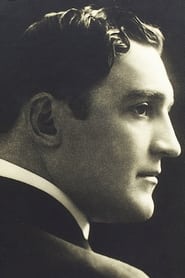
Clifford Bruce
Actor
Born: January 15, 1882 in Rochester, New York, USA Died: September 3, 1951 Active: 1914-1917 Birth Name: Clifford R. Bruce
Films
3 films
About Clifford Bruce
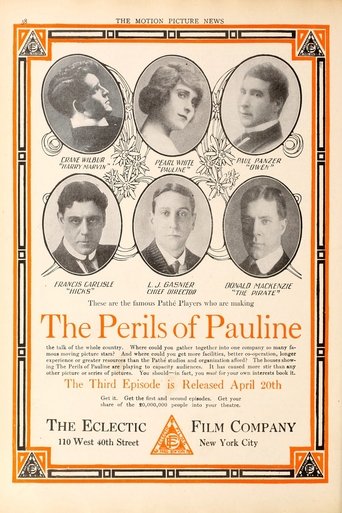
American character actor who worked during the formative years of American cinema, appearing in numerous silent films between 1914 and 1917. Born in Rochester, New York, he transitioned from stage work to the burgeoning film industry just as feature films were becoming the norm. His career, though brief, coincided with some of the most significant developments in early Hollywood, including the rise of the feature film and the star system. Bruce appeared alongside some of the era's biggest names, including Pearl White in the serial 'The Perils of Pauline' and Theda Bara in the controversial hit 'A Fool There Was.' His performances typically showcased the theatrical acting style common to the period, with exaggerated gestures and facial expressions necessary for silent film communication. After 1917, Bruce's film appearances became less frequent as the industry evolved and newer actors emerged. He spent his later years in Los Angeles, having witnessed firsthand the transformation of cinema from a novelty attraction to America's dominant entertainment medium.
The Craft
On Screen
Bruce employed the theatrical, exaggerated acting style typical of the silent era, using broad gestures and expressive facial techniques to convey emotion and narrative without dialogue. His performances were characterized by the melodramatic intensity required to engage audiences in the absence of sound, with deliberate movements and clear emotional cues that could be easily interpreted by viewers of the period.
Milestones
- Appeared in the landmark serial 'The Perils of Pauline' (1914)
- Supporting role in 'A Fool There Was' (1915) which established Theda Bara as a star
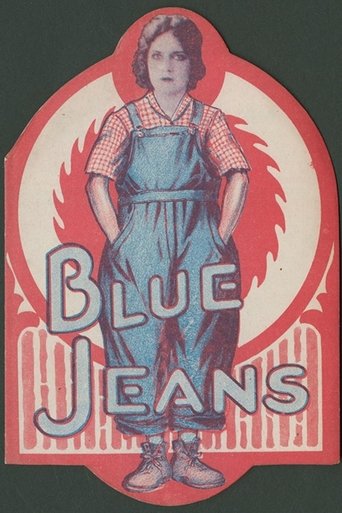
- Featured in 'Blue Jeans' (1917) with Constance Talmadge
- Transitioned from stage to film during cinema's formative years
Best Known For
Iconic Roles
Must-See Films
Working Relationships
Worked Often With
Studios
Why They Matter
Impact on Culture
Clifford Bruce, while not a major star, contributed to several significant films that helped shape early American cinema. His appearance in 'The Perils of Pauline' placed him in. Through his work in 'A Fool There Was,' Bruce participated in the film that launched the 'vamp' archetype in cinema and helped create Theda Bara's iconic persona. These films were part of the foundation upon which Hollywood built its global dominance, and Bruce's contributions, though small, were part of this cinematic revolution.
Lasting Legacy
Clifford Bruce's legacy lies in his participation in several landmark films of the silent era that have become important historical artifacts. While he never achieved star status, his work survives as part of the foundation of American cinema, preserved in films that are studied by film historians and enthusiasts today. His career represents the journey of countless character actors who contributed to cinema's development without achieving lasting fame, yet whose work remains integral to understanding film history.
Who They Inspired
As a character actor of the silent era, Bruce's direct influence on subsequent performers is difficult to trace, but his work exemplifies the acting techniques and styles that dominated early cinema. His performances in films helped establish visual storytelling methods that would influence generations of actors, particularly in the realm of physical comedy and dramatic expression without dialogue.
Off Screen
Clifford Bruce maintained a relatively private personal life away from the burgeoning Hollywood spotlight. After his film career diminished, he remained in Los Angeles where he lived until his death in 1951 at the age of 69. Like many actors of his generation, he witnessed the dramatic transformation of the film industry from silent pictures to the sound era, though he did not make the transition to talkies himself.
Education
Limited information available about his formal education, though he likely had theatrical training given his transition from stage to film work.
Did You Know?
- Appeared in 'The Perils of Pauline,'
- Worked with Theda Bara in 'A Fool There Was' before she became one of the biggest stars of the 1910s
- His entire known film active years covered just four years during a pivotal period in cinema history
- Like many silent era actors, he did not successfully transition to sound films
- Born in Rochester, New York, which was also home to George Eastman and the birthplace of Kodak
- His film 'A Fool There Was' was based on a play that was itself inspired by Rudyard Kipling's poem 'The Vampire'
- Worked during the transition period when films evolved from short one-reelers to feature-length productions
- Appeared in films for three different major studios during his brief career
Frequently Asked Questions
Who was Clifford Bruce?
Screen credits include several notable early films including 'The Perils of Pauline' and 'A Fool There Was.' Though his career was brief, he worked alongside some of the biggest stars of the silent era.
What films is Clifford Bruce best known for?
Titles linked here include The Perils of Pauline (1914), A Fool There Was (1915).
When was Clifford Bruce born and when did he die?
Born January 15, 1882; died September 3, 1951.
What awards did Clifford Bruce win?
There are no records of Clifford Bruce receiving major awards or nominations during his career, which was not uncommon for character actors of the silent era who often worked without formal recognition.
What was Clifford Bruce's acting style?
Bruce employed the theatrical, exaggerated acting style typical of the silent era, using broad gestures and expressive facial techniques to convey emotion without dialogue, which was standard practice for actors during this period of film history.