

Blue Jeans
"Melodrama of marriage and small-town schemers"
Keys: Space play/pause · ←/→ 10s · F fullscreen · M mute · </> speed
About this film
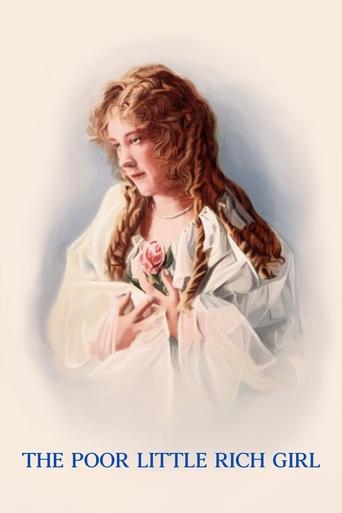
Orphan June marries kindly Perry Bascom, then faces a vengeful woman from his past allied with the town bully to destroy their happiness.
Cast & crew
More films like this
More Drama films
View all →







More from John H. Collins
View all →
More about this film
About the production
Release dateSeptember 3, 1917
Box officeBox office figures not preserved from this period, but the film was commercially successful for Edison Studios
ProductionEdison Manufacturing Company, Edison Studios
Filmed inNew York City, New York, Bronx, New York (Edison Studio facilities)
Blue Jeans was one of the last major productions by Edison Studios before the company ceased film production in 1918. The film was shot on location in the Bronx and utilized Edison's innovative lighting techniques. Director John H. Collins and star Viola Dana were married in real life, which contributed to their on-screen chemistry. The production faced challenges due to wartime restrictions on film stock during World War I, requiring careful planning and efficient shooting schedules.
Themes
Love and loyaltyRural vs. urban valuesPolitical corruptionClass differencesMarriage and partnership
Themes & topics
Historical background
Audiences in 1917 encountered Blue Jeans at a point when the silent era was reshaping what movies could say and show. The sensation of the play was a dramatic scene where the unconscious hero is placed on a board approaching a huge buzz saw in a sawmill, later imitated to the point of cliché. Prints survive at several archives including the George Eastman Museum Motion Picture Collection.
Why this film matters
Blue Jeans continues to attract interest because it captures a distinctive silent era approach to character and spectacle.
Making of
The production of Blue Jeans took place during a transitional period for Edison Studios, as the company was struggling to compete with newer Hollywood studios. Director John H. Collins was considered one of Edison's most promising young directors, known for his ability to elicit naturalistic performances from actors. The film's romantic scenes between Viola Dana and Bob Walker were particularly praised for their authenticity, likely enhanced by the real-life marriage between Dana and Collins. The production utilized Edison's advanced lighting equipment, allowing for more nuanced visual storytelling than was typical of the period. The film's rural setting was recreated on studio lots in the Bronx, with careful attention to period detail in costumes and props. The political corruption subplot reflected contemporary concerns about small-town politics during the Progressive Era.
What critics said
Later criticism frames Blue Jeans through restoration quality and its director or studio filmography.
Did you know?
- Director John H. Collins died tragically in a car accident just one year after this film's release, at age 29, cutting short a promising career.
- Viola Dana and John H. Collins were married in real life, making their on-screen collaboration particularly authentic.
- The film was based on a popular stage play of the same name, which was part of a trend of adapting theatrical works for silent cinema.
- Edison Studios, the production company, was founded by Thomas Edison and was one of the earliest film production companies in America.
- Blue Jeans was one of the last films produced by Edison Studios before the company closed its film production division in 1918.
- The original story was written by Wilson Mizner, who later became a famous Hollywood screenwriter and wit.
- Bob Walker, who played Perry Bascom, was a popular leading man of the era but his career declined after the transition to sound films.
- The film's title refers to the working-class clothing worn by the characters, symbolizing their humble origins and authenticity.
- Sally Crute, who played the antagonist, was known for playing vamp roles in silent films and was one of the era's most recognizable villains.
- The film was shot during World War I, which affected production due to material shortages and the enlistment of some crew members.
Visual style
The cinematography of Blue Jeans was handled by Lawrence D. 'Larry' Williams, who utilized Edison's advanced lighting equipment to create more naturalistic images than was typical of the period. The film employed soft focus techniques for romantic scenes and high contrast lighting for dramatic moments, reflecting the evolving visual language of cinema. The use of location shooting, though limited, added authenticity to the rural setting. The camera work was relatively static, as was common in 1917, but Williams incorporated subtle movement to enhance emotional scenes. The film's visual style emphasized natural lighting and realistic settings, moving away from the theatrical look of earlier films.
Innovations
Blue Jeans utilized Edison's advanced lighting equipment, which allowed for more nuanced lighting effects than many contemporary films. The production employed multiple camera setups for key scenes, a technique that was still relatively innovative in 1917. The film's editing was praised for its smooth continuity and emotional pacing, representing the maturation of film grammar during the late silent period. The use of location footage, though limited, demonstrated the industry's move away from purely studio-bound productions. The film's preservation of visual quality across five reels showed improvements in film stock consistency and processing techniques.
Music
As a silent film, Blue Jeans would have been accompanied by live musical performance during its theatrical run. The typical score would have been compiled from classical pieces and popular songs of the era, with the theater organist or pianist selecting music to match the mood of each scene. Romantic scenes would have been accompanied by sentimental melodies like 'Hearts and Flowers,' while dramatic moments would have used more intense classical pieces. Edison Studios often provided cue sheets with their films, suggesting appropriate musical selections for exhibitors. No original composed score exists for the film, as was standard practice for silent era productions.
Famous quotes
True love is not afraid of shadows" - June to Perry during their darkest moment
A man's character is his fortune" - Perry Bascom
In Rising Sun, we still believe in right and wrong" - Town elder
No past can destroy true devotion" - June defending her marriage
Memorable scenes
- The opening scene where Perry shares his lunch with the orphan June on the road to Rising Sun, establishing their immediate connection. The wedding sequence, notable for its naturalistic portrayal of a simple country ceremony. The confrontation scene where June stands up to the political bully, showing her strength and loyalty. The emotional climax where June's unwavering faith in Perry helps him overcome his enemies. The final reconciliation scene that emphasizes the triumph of love and integrity over corruption and deceit.
What audiences thought
Blue Jeans was well-received by audiences of its time, particularly in smaller towns where its rural setting and themes resonated strongly. The film's emotional story of love and loyalty appealed to the family audiences who were the primary moviegoers during the 1910s. Contemporary theater reports indicated that the film drew good crowds and generated positive word-of-mouth, with many exhibitors reporting that audiences were moved to tears by the story. The film's success helped establish Viola Dana as a major star and proved profitable for Edison Studios during its final years of operation. Audience appreciation for the film's authentic portrayal of working-class characters and its moral message about the power of love and fidelity contributed to its commercial success.
Film connections
Influenced by
- Stage melodramas of the early 1900s
- D.W. Griffith's narrative techniques
- Contemporary social reform movements
- Progressive Era literature
- Thomas Edison's emphasis on technical innovation
This film influenced
- Later rural melodramas of the 1920s
- Small-town romance films
- Working-class dramas
- Political corruption films
Film restoration
Blue Jeans is considered a partially lost film. Only fragments and incomplete reels survive in various film archives, including the Library of Congress and the Museum of Modern Art. Some portions exist in 16mm reduction prints, while other scenes survive only in still photographs and production stills. The incomplete nature of the surviving material makes full restoration impossible, though efforts have been made to preserve what remains. The film's status as one of Viola Dana's and John H. Collins' collaborations has made preservation efforts a priority for silent film archivists.
Where to watch
- Due to its incomplete preservation status, Blue Jeans is not commercially available. Fragments may be viewed by appointment at the Library of Congress Motion Picture Division, the Museum of Modern Art's film archive, and the George Eastman Museum. Some surviving clips occasionally appear in silent film documentaries and compilations. Film historians and researchers may access materials through academic film archives specializing in early cinema.