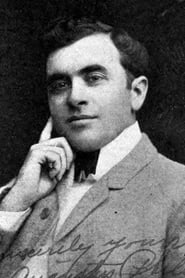
Augustus Phillips
Actor
Born: August 1, 1874 in Rensselaer, Indiana, United States Died: September 29, 1944 Active: 1910-1919
Films
9 films

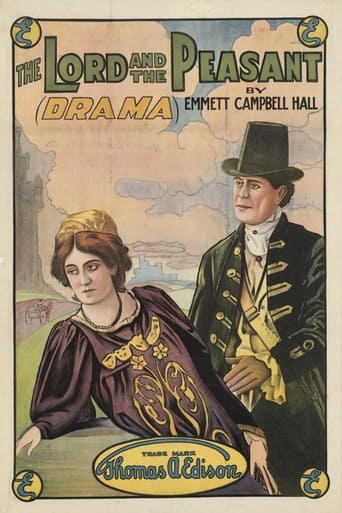
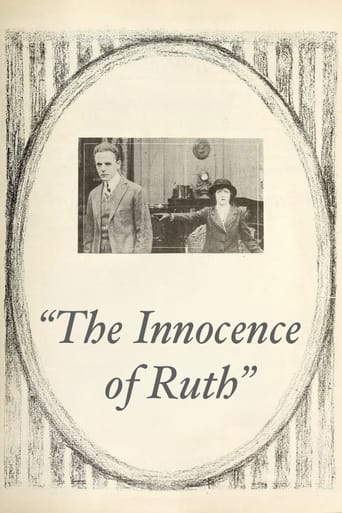
About Augustus Phillips
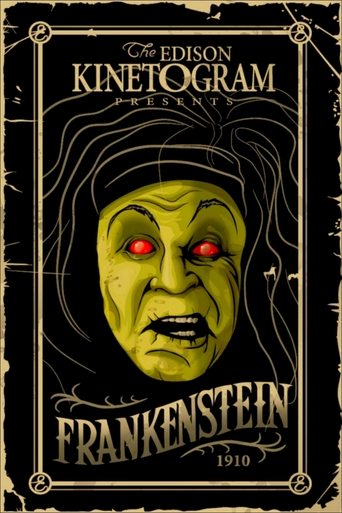
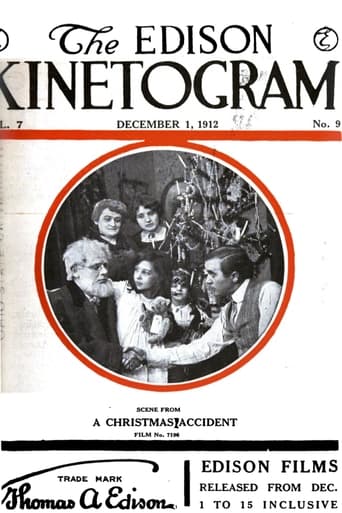
Prominent American silent film actor who rose to prominence during the early years of American cinema, particularly with Edison Studios. He made his most significant mark in film history by portraying Victor Frankenstein in the 1910 adaptation of Mary Shelley's novel, which is now considered one of the earliest horror films ever made. Throughout his career from 1910 to 1919, Phillips appeared in numerous short films and features, often playing leading roles in dramatic productions. His work spanned various genres including romance, drama, and social commentary films, with notable appearances in productions like 'A Christmas Accident' (1912) and 'The Innocence of Ruth' (1916). Phillips was part of the first generation of film actors who transitioned from stage to the new medium of motion pictures, helping establish the foundation of American film acting. His career coincided with the transformation of cinema from novelty to legitimate art form, and he contributed significantly to this evolution through his performances. As the film industry matured and moved toward feature-length productions, Phillips gradually faded from the spotlight, typical of many early film actors whose careers were eclipsed by the next generation of silent film stars.
The Craft
On Screen
Augustus Phillips embodied the theatrical acting style typical of the silent era, characterized by exaggerated gestures and dramatic facial expressions necessary to convey emotion without dialogue. His performances drew heavily from his stage background, utilizing broad physical movements and emphatic pantomime to communicate character motivations and emotional states to early cinema audiences. Phillips demonstrated particular skill in portraying tormented or conflicted characters, as evidenced by his memorable performance as the obsessed Victor Frankenstein. His acting technique evolved during his career, gradually becoming more subtle and camera-conscious as film acting conventions developed. Phillips possessed a commanding screen presence that translated well to the medium, with his tall stature and intense features making him particularly effective in dramatic roles.
Milestones
- Portrayed Victor Frankenstein in the historic 1910 Edison film adaptation
- Leading actor for Edison Studios during the early 1910s
- Starred in over 50 silent films during his decade-long career
- Transitioned from stage acting to become one of early cinema's first film stars
- Appeared in early American feature films
Best Known For
Iconic Roles
Must-See Films
Accolades
Special Recognition
- Recognized as a pioneer of American cinema for his role in early Frankenstein adaptation
- His 1910 Frankenstein performance preserved by film historians as significant early horror cinema
Working Relationships
Worked Often With
Studios
Why They Matter
Impact on Culture
Augustus Phillips made a lasting impact on cinema history through his portrayal of Victor Frankenstein in the 1910 Edison adaptation, which represents one of the earliest attempts to bring horror literature to the screen. His performance helped establish the visual language of horror cinema, particularly in depicting the psychological torment of the creator who defies natural laws. The film itself, though only 16 minutes long, became a foundational text in horror cinema history, and Phillips' interpretation of the Frankenstein character influenced subsequent adaptations. His work exemplifies the transition from stage to screen acting that defined early American cinema, demonstrating how theatrical techniques could be adapted for the new medium. Phillips contributed to the legitimization of film as a serious art form during a period when many still considered cinema mere entertainment.
Lasting Legacy
Augustus Phillips' legacy is primarily preserved through his groundbreaking performance in the 1910 Frankenstein film, which continues to be studied by film historians and horror enthusiasts. As one of the first actors to portray a literary horror icon on screen, Phillips occupies a unique place in the genealogy of horror cinema performance. His work represents an important bridge between 19th-century theatrical traditions and 20th-century film acting, showcasing the evolution of performance techniques during cinema's formative years. Though his name is not widely recognized by modern audiences, film scholars acknowledge his contribution to establishing horror as a viable film genre. Phillips' career trajectory also illustrates the challenges faced by early film actors as the industry rapidly evolved and professionalized.
Who They Inspired
Augustus Phillips influenced subsequent generations of horror film actors through his portrayal of Victor Frankenstein, establishing archetypal elements of the mad scientist character that would be refined by later performers. His theatrical approach to film acting demonstrated how stage techniques could be effectively adapted for cinema, influencing the development of screen acting methodology. While he did not directly mentor later actors, his work in early horror cinema contributed to the visual and performative vocabulary that would be built upon by actors in later horror films. Phillips' performance helped establish the psychological depth that would become characteristic of horror film protagonists, moving beyond simple monster portrayals to explore the human element behind supernatural events.
Off Screen
Augustus Phillips was born in Rensselaer, Indiana, and developed an interest in performing arts from an early age. Before entering the film industry, he gained experience as a stage actor, which provided him with the theatrical foundation that would characterize his film performances. Phillips married and had a family, though details about his personal relationships remain largely undocumented in historical records. After his film career ended in 1919, he largely withdrew from public life and the entertainment industry. He spent his later years away from the Hollywood spotlight, living a relatively private life until his death in 1944 at the age of 70.
Education
Educational background not documented in historical records, likely received standard education for the period and theatrical training through stage experience
Family
- Unknown (marriage details not documented in historical records)
Did You Know?
- The 1910 Frankenstein film was produced by Thomas Edison's studio and was thought lost for decades until a print was discovered in the 1970s
- Phillips' portrayal of Frankenstein was the first time the character appeared in a film adaptation
- The 1910 Frankenstein was only 16 minutes long but was considered a full-length feature at the time
- Phillips was one of the first actors to achieve recognition specifically for film acting rather than stage work
- His Frankenstein performance featured early special effects, including the creation scene where the monster forms in a cauldron
- Phillips worked during the transitional period when films were evolving from short novelty pieces to narrative features
- The 1910 Frankenstein was initially considered too shocking by some audiences due to its horror elements
- Phillips appeared in over 50 films during his career, though many are now lost
- He was part of the first generation of actors who never performed in sound films
- His height and commanding presence made him particularly suited for the dramatic roles he often portrayed
In Their Own Words
No documented quotes from Augustus Phillips survive from his film career, typical of silent era actors whose work was primarily visual rather than verbal
Frequently Asked Questions
Who was Augustus Phillips?
American silent film with credits in this catalog. He was one of the actors who helped establish the foundation of American cinema during its formative years.
What films is Augustus Phillips best known for?
Titles linked here include Frankenstein (1910), A Christmas Accident (1912).
When was Augustus Phillips born and when did he die?
Born August 1, 1874; died September 29, 1944.
What awards did Augustus Phillips win?
Augustus Phillips did not receive formal awards during his career, as the Academy Awards and other major film honors were not established until after his active years. However, he is recognized by film historians as a pioneer of early cinema for his contributions to establishing horror as a film genre.
What was Augustus Phillips' acting style?
Phillips employed the theatrical acting style typical of the silent era, characterized by exaggerated gestures and dramatic facial expressions necessary to convey emotion without dialogue. His performances drew from his stage background, using broad physical movements and emphatic pantomime to communicate character motivations to early cinema audiences.
Why is Augustus Phillips significant in film history?
Phillips is significant for being the first actor to portray Victor Frankenstein on screen in the 1910 Edison adaptation, helping establish horror as a film genre. His work represents an important example of early American cinema and the transition from stage to screen acting during cinema's formative years.
What happened to Augustus Phillips after 1919?
After his film career ended in 1919, Phillips largely withdrew from the entertainment industry and lived a private life away from the public eye. This was typical of many early film actors whose careers were eclipsed by the next generation of silent film stars as the industry rapidly evolved.