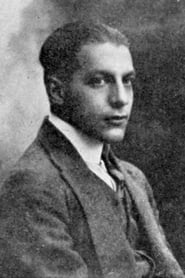
John H. Collins
Director
Born: December 21, 1889 in New York City, New York, USA Died: October 23, 1918 Active: 1915-1918 Birth Name: John Hubert Collins
Films
3 films
About John H. Collins
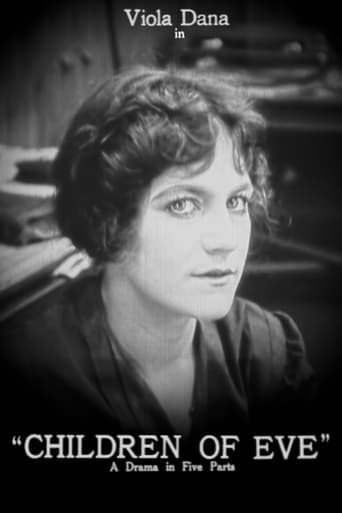
Innovative American film director during the silent era who, despite his tragically short career, made significant contributions to early cinema. Beginning his work around 1915, Collins quickly established himself as a talented filmmaker with a distinctive visual style and narrative sophistication that was ahead of his time. He directed numerous short films and features, most notably working closely with actress Viola Dana, whom he would later marry. Collins was particularly known for his social dramas, such as 'Children of Eve' (1915), which tackled contemporary social issues with remarkable depth and sensitivity. His techniques included advanced camera movements, complex editing patterns, and atmospheric lighting that set him apart from many of his contemporaries. Collins' promising career was cut devastatingly short when he contracted influenza during the 1918 pandemic and died at the age of 29, leaving behind a legacy of innovative filmmaking that would influence future generations of directors.
The Craft
Behind the Camera
John H. Collins was known for his innovative and sophisticated directing style that was remarkably advanced for the silent era. He employed dynamic camera movements, complex editing patterns, and atmospheric lighting techniques that set his work apart from many contemporaries. Collins had a particular talent for social dramas, approaching contemporary issues with depth and sensitivity while maintaining visual storytelling that was both artistic and accessible. His films often featured carefully composed shots and a narrative structure that demonstrated a sophisticated understanding of cinematic language, making him one of the more technically proficient directors of his generation.
Milestones
- Directed the influential social drama 'Children of Eve' (1915)
- Married actress Viola Dana in 1916
- Developed sophisticated visual techniques ahead of his time
- Created numerous films for Edison Studios
- Established himself as one of the promising young directors of the 1910s
Best Known For
Must-See Films
Working Relationships
Worked Often With
Studios
Why They Matter
Impact on Culture
Though his career was tragically brief, John H. Collins made a significant impact on the development of American cinema during its formative years. His innovative techniques in cinematography and editing helped push the boundaries of what was considered possible in silent film storytelling. Collins' social dramas, particularly 'Children of Eve,' demonstrated that cinema could tackle complex contemporary issues with nuance and artistic merit, influencing other filmmakers to pursue more ambitious subject matter. His work represents an important bridge between the primitive films of the early 1910s and the more sophisticated narrative cinema that would emerge in the 1920s.
Lasting Legacy
John H. Collins is remembered as one of the promising young talents of early American cinema whose potential was never fully realized due to his early death. His films, particularly those made at Edison Studios, are studied by film historians as examples of the rapid evolution of cinematic technique during the silent era. Collins' marriage to Viola Dana created. While his name may not be widely recognized today among general audiences, film scholars and silent cinema enthusiasts recognize him as an important figure who helped shape the language of American film during its crucial developmental period.
Who They Inspired
Collins influenced other silent film directors through his innovative techniques and sophisticated approach to narrative filmmaking. His use of camera movement and editing patterns was ahead of its time and would become more common in the 1920s as cinema matured as an art form. The emotional depth and social consciousness of his films demonstrated to other filmmakers that cinema could address serious contemporary issues while maintaining popular appeal. His work with Viola Dana also showed the power of director-actor collaborations in creating memorable screen performances.
Off Screen
John H. Collins married actress Viola Dana in 1916, who frequently starred in his films. Their partnership was both personal and professional, with Dana becoming the muse and leading lady for many of his most acclaimed works. The couple's marriage was cut short by Collins' untimely death during the 1918 influenza pandemic, leaving Dana devastated and effectively ending her most creative period in silent cinema. Collins was known as a dedicated filmmaker who poured his energy into his craft, working tirelessly to push the boundaries of what was possible in early cinema.
Education
Limited information available, but likely self-taught in the emerging art of filmmaking
Family
- Viola Dana (1916-1918)
Did You Know?
- Died at age 29 during the 1918 influenza pandemic
- Married actress Viola Dana who frequently starred in his films
- Directed over 30 films in just three years
- His film 'Children of Eve' was one of the first to tackle urban social issues
- Worked primarily for Edison Studios during his most productive period
- His death effectively ended Viola Dana's most creative period in silent films
- Known for using innovative camera techniques ahead of his time
- His films are now considered lost or exist only in fragments
- One of the youngest prominent directors of the silent era
- His active years covered only about 3 years but was remarkably productive
Frequently Asked Questions
Who was John H. Collins?
Innovative American on YTB.my. Despite his tragically short career, he was known for his sophisticated visual style and social dramas that were ahead of their time.
What films is John H. Collins best known for?
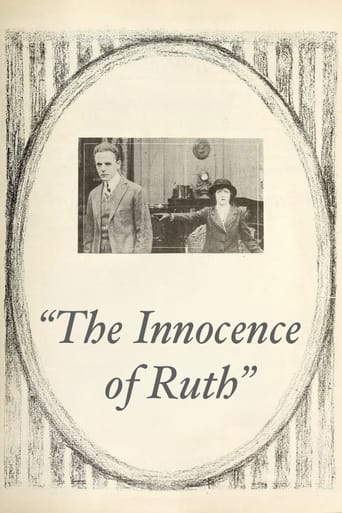
Titles linked here include Children of Eve (1915), The Innocence of Ruth (1916).
When was John H. Collins born and when did he die?
Born December 21, 1889; died October 23, 1918.
What awards did John H. Collins win?
John H. Collins did not receive any major awards during his lifetime, as he died before most film awards were established. His recognition has come primarily from film historians and silent cinema enthusiasts who study his innovative techniques.
What was John H. Collins's directing style?
Collins was known for his innovative directing style that included dynamic camera movements, complex editing patterns, and atmospheric lighting techniques that were advanced for the silent era. He had a particular talent for social dramas, approaching contemporary issues with depth and artistic sophistication.
Who was John H. Collins married to?
John H. Collins was married to actress Viola Dana, who frequently starred in his films. They married in 1916 and their partnership was both personal and professional until Collins' untimely death in 1918.
Why was John H. Collins's career so short?
Collins' career was cut short when he contracted influenza during the 1918 pandemic and died at age 29. Despite working only from about 1915 to 1918, he directed over 30 films and established himself as one of the promising young directors of his era.