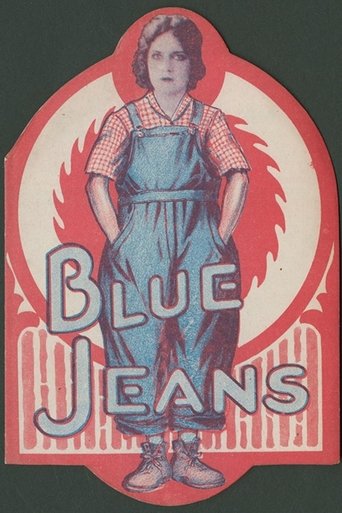

Films
1 film
About Sally Crute
American silent film actress who had a brief but notable career during the early years of Hollywood cinema. She emerged during the transitional period when the film industry was establishing itself as a major cultural force in America. Her most recognized work came in 1917 with her appearance in the film 'Blue Jeans,' which was one of the many melodramas popular during the silent era. Crute was part of the generation of actors who helped define the visual language of cinema before the advent of sound. Like many actresses of her time, she embodied the dramatic, expressive style required for silent film performance, where facial expressions and body language were paramount. Her career, while short, coincided with a pivotal moment in film history when the medium was evolving from short subjects to feature-length narratives. Despite her limited time in the spotlight, she contributed to the early American cinema that laid the groundwork for future generations of performers.
The Craft
On Screen
As a silent film actress, Sally Crute employed the dramatic, exaggerated acting style typical of the era, relying heavily on facial expressions, gestures, and body language to convey emotion and narrative to audiences without the benefit of dialogue. Her performances would have emphasized the theatrical techniques that were standard in early cinema before the naturalistic acting styles of later sound films became prevalent.
Milestones
- Starred in 'Blue Jeans' (1917)
- Appeared during the golden age of silent cinema
- Participated in early Hollywood film production
Best Known For
Iconic Roles
Must-See Films
Why They Matter
Impact on Culture
Sally Crute represents the countless actors who populated early Hollywood films during the silent era, contributing to the development of cinema as an art form even if their names were not preserved in the annals of film history. Her work in 'Blue Jeans' (1917) places her within the context of early American melodrama, a genre that helped establish narrative conventions and emotional storytelling techniques that would influence cinema for decades. These early performers, though often forgotten, were essential in creating the visual vocabulary of film and demonstrating how stories could be told without dialogue.
Lasting Legacy
Sally Crute's legacy is that of a typical early film actress - a contributor to the foundational years of American cinema whose work, while not extensively documented, was part of the collective effort that established film as a major art form and entertainment medium. Her brief career exemplifies the transient nature of early Hollywood, where many actors appeared in only a handful of films before moving on to other pursuits. Her existence serves as a reminder of the thousands of performers who helped build the film industry but whose stories remain largely untold.
Who They Inspired
Due to her brief career and limited filmography, Sally Crute's direct influence on subsequent generations of actors is difficult to trace. However, like all performers of the silent era, she contributed to the development of acting techniques specific to cinema, helping transition theatrical performance styles to the screen medium. Her work, along with that of her contemporaries, established precedents for visual storytelling that would influence actors long after the silent era ended.
Off Screen
Very little documented information exists about Sally Crute's personal life, which was not uncommon for actors of the silent era who had brief careers. Like many early film performers, her life story remains largely undocumented in historical records, reflecting the transient nature of early Hollywood careers and the lack of comprehensive documentation of supporting players from this period.
Did You Know?
- Her career lasted only one year according to available filmography records
- She appeared during World War I, a period when cinema was rapidly growing in popularity
- 'Blue Jeans' (1917) was based on a popular stage play, a common source for early film adaptations
- Silent film actresses of her era often had to provide their own costumes and makeup
- Many actors from 1917 left the industry as the film business became more professionalized
- The year 1917 was significant for cinema as feature-length films were becoming standard
- Early film actors like Crute often worked for multiple production companies
- Silent film stars of this period frequently performed their own stunts
- The average career length for supporting actors in the 1910s was often very brief
Frequently Asked Questions
Who was Sally Crute?
American silent film actress active in 1917, best known for her appearance in the film 'Blue Jeans.' She was part of the early generation of Hollywood actors during the silent era, though her career was notably brief, spanning only one year according to available records.
What films is Sally Crute best known for?
Titles linked here include Blue Jeans (1917).
When was Sally Crute born and when did she die?
Born 1890; died death date not listed.
What awards did Sally Crute win?
There are no documented awards or nominations for Sally Crute, which was typical for most actors during the early silent film period. The major award systems we know today, such as the Academy Awards, were not established until 1929, well after her brief career had ended.
What was Sally Crute's acting style?
As a silent film actress, Sally Crute would have employed the dramatic and expressive acting style characteristic of the era, relying heavily on facial expressions, gestures, and body language to convey emotions and story elements to audiences without the benefit of spoken dialogue.