Viola Dana
Actor
Born: June 26, 1897 in Brooklyn, New York, United States Died: July 3, 1987 Active: 1910-1929 Birth Name: Virginia Flugrath
Films
8 films
About Viola Dana
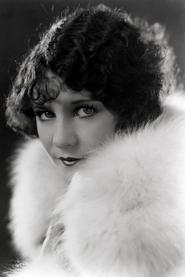
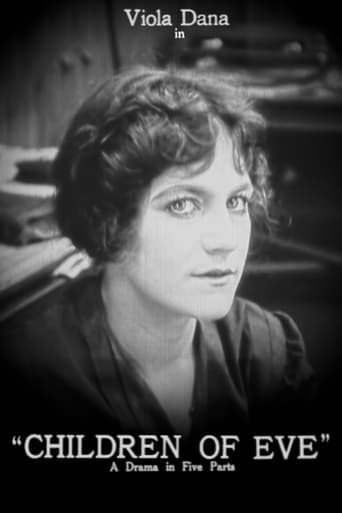
Viola Dana (born Virginia Flugrath) was a prominent American actress who rose to stardom during the silent film era, becoming popular leading ladies of the mid-1910s. She began her career as a child performer in stage productions before transitioning to films with Edison Studios in 1910, quickly establishing herself as a talented actress capable of conveying deep emotion through the silent medium. Dana's breakthrough came with her role in 'Children of Eve' (1915), which showcased her ability to portray complex, sympathetic characters and cemented her status as a major star. Throughout her career, she appeared in over 100 films, working primarily with Edison Studios and later with Metro Pictures (which would eventually become MGM). Her performances were characterized by their naturalistic quality and emotional depth, setting her apart from many of her contemporaries who relied on more theatrical gestures. Dana's career waned with the transition to sound films in the late 1920s, leading to her retirement from acting in 1929. After leaving Hollywood, she lived a relatively private life until her death in 1987, leaving behind a legacy as one of the silent era's most gifted and popular actresses.
The Craft
On Screen
Viola Dana was known for her naturalistic and understated acting style, which was particularly effective in melodramatic roles. Unlike many of her contemporaries who employed broad, theatrical gestures, Dana favored subtle facial expressions and nuanced body language to convey emotion. Her performances were characterized by their sincerity and emotional authenticity, making her particularly effective in portraying vulnerable, sympathetic characters. She had a remarkable ability to convey complex emotions through her eyes, a skill that served her well in the silent medium where facial expression was paramount.
Milestones
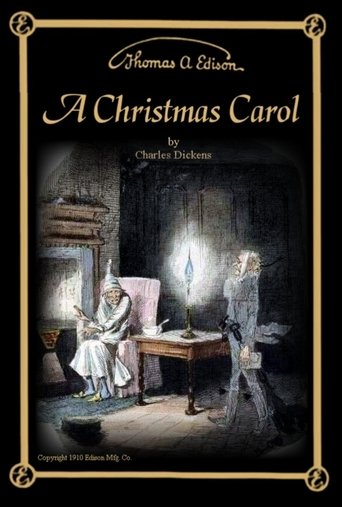
- Film debut in 'A Christmas Carol' (1910)
- Breakthrough role in 'Children of Eve' (1915)
- Contract with Edison Studios (1910-1915)
- Contract with Metro Pictures (1915-1925)
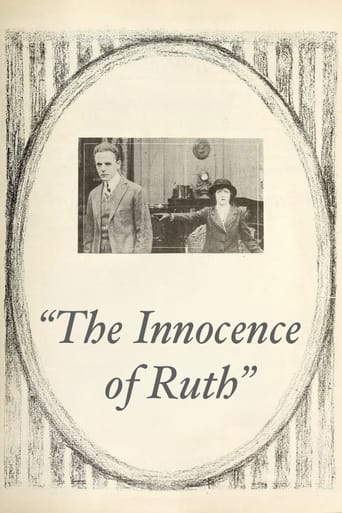
- Star of 'The Innocence of Ruth' (1916)
- Leading lady in over 100 silent films
- Retirement from films with the advent of sound (1929)
Best Known For
Iconic Roles
Must-See Films
Accolades
Special Recognition
- Hollywood Walk of Fame star (Motion Pictures, 6326 Hollywood Boulevard)
Working Relationships
Worked Often With
Studios
Why They Matter
Impact on Culture
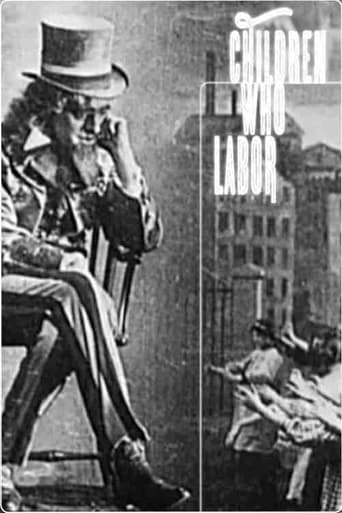
Significant figure in the early American film industry, representing the transition from stage to screen acting during the formative years of cinema. Her naturalistic acting style helped establish a new standard for film performance, moving away from the theatrical techniques common in early cinema toward a more subtle and realistic approach. As one of Edison Studios' major stars, she contributed to the company's efforts to compete with other emerging film studios and helped establish the star system that would dominate Hollywood for decades. Her work in social issue films like 'Children Who Labor' demonstrated cinema's potential as a medium for social commentary, influencing future filmmakers to address serious topics through entertainment.
Lasting Legacy
Viola Dana's legacy endures as one of the silent era's most talented and popular actresses, though many of her films have been lost to time. She is remembered for her naturalistic acting style, which influenced subsequent generations of film performers. As part of the Flugrath sisters, she represents an early example of families dominating the entertainment industry, a pattern that would become common in Hollywood. Her surviving films, particularly those preserved by film archives, continue to be studied by film historians and enthusiasts interested in the evolution of cinematic acting techniques. Dana's career trajectory from child actress to leading lady to retirement with the advent of sound exemplifies the challenges faced by many silent film stars during the industry's technological transition.
Who They Inspired
Viola Dana influenced the development of naturalistic acting in silent films, demonstrating that subtle emotional expression could be more powerful than theatrical gestures. Her work with director John Collins helped establish new techniques for directing actors in film, particularly in achieving authentic emotional performances. As a major star of the 1910s, she set a standard for leading ladies that emphasized both beauty and emotional depth. Her success in melodramatic roles helped establish the genre as a staple of American cinema, influencing countless future films and actresses. Dana's ability to transition from child roles to adult leading roles provided a model for other child actors seeking to maintain their careers into adulthood.
Off Screen
Viola Dana came from a family of entertainers, with both of her sisters also becoming actresses under different stage names. She married director John Collins in 1915, but their marriage ended tragically when Collins died in the 1918 influenza pandemic at age 28. In 1925, she married Yale football star 'Red' Maloney, but this marriage ended in divorce. Dana never remarried and had no children. After retiring from films, she lived a quiet life away from the Hollywood spotlight, occasionally appearing in interviews about the silent era. She spent her later years in Woodland Hills, California, where she passed away at age 90.
Education
Limited formal education due to early entry into entertainment industry; trained in stage performance as a child
Family
- John Collins (1915-1918)
- James 'Red' Maloney (1925-1933)
Did You Know?
- One of three Flugrath sisters who became actresses; sisters were Edna Flugrath (Edna Dana) and Shirley Mason (Leonie Flugrath)
- Her husband John Collins died in the 1918 influenza pandemic at age 28
- Appeared in over 100 films during her career, though many are now lost
- Was one of Edison Studios' biggest stars before moving to Metro Pictures
- Her stage name 'Dana' was reportedly suggested by Thomas Edison himself
- Retired from films before the sound era fully took hold, making few attempts to transition to talkies
- Received a star on the Hollywood Walk of Fame for her contributions to motion pictures
- Was known for her petite stature, standing only 5'1" tall
- Survived both of her sisters, becoming the last of the Flugrath sisters to pass away
- Lived to be 90 years old, outliving most of her silent film contemporaries
In Their Own Words
I was never meant to be a star of the talkies. My voice was not suited for the microphone, and my heart was no longer in the business.
The silent screen demanded a different kind of acting - one that came from the eyes and the soul, not from the voice.
Working for Mr. Edison was an honor. He understood that film was not just entertainment, but art.
Frequently Asked Questions
Who was Viola Dana?
Prominent American silent film actress who starred in over 100 films between 1910 and 1929. She was.
What films is Viola Dana best known for?
Titles linked here include Children of Eve (1915), The Innocence of Ruth (1916).
When was Viola Dana born and when did she die?
Born June 26, 1897; died July 3, 1987.
What awards did Viola Dana win?
While Viola Dana did not win major film awards during her active years (the Academy Awards were not established until 1929, near the end of her career), she received a star on the Hollywood Walk of Fame at 6326 Hollywood Boulevard for her contributions to motion pictures.
What was Viola Dana's acting style?
Viola Dana was known for her naturalistic and understated acting style, which set her apart from many contemporaries who used theatrical gestures. She favored subtle facial expressions and nuanced body language, with a particular talent for conveying complex emotions through her eyes, making her especially effective in melodramatic roles.