

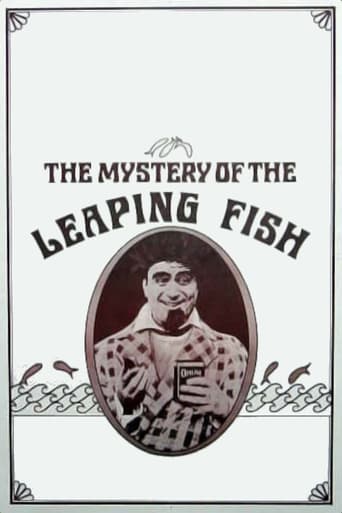
The Adventure of the Hasty Elopement
"Stolen young woman."
Keys: Space play/pause · ←/→ 10s · F fullscreen · M mute · </> speed
About this film
An amateur detective's automobile is stolen by a young woman who is determined to elope, leading to a complicated chase involving several vehicles.
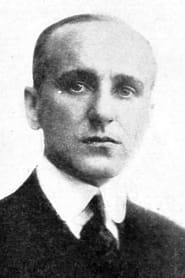
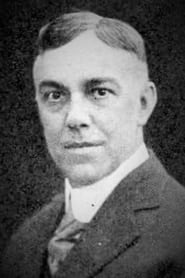
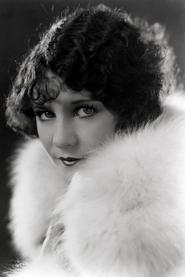
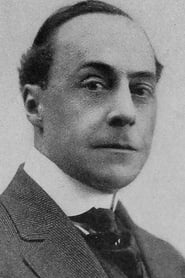
Cast & crew
More films like this

More Comedy films
View all →







More from Charles M. Seay
View all →

More about this film
About the production
Release dateMarch 6, 1914
ProductionThanhouser Film Corporation
Filmed inNew York, New York
This was one of many short comedies produced by Thanhouser during their peak production years. The film was shot quickly as part of the studio's strategy to release multiple short films weekly. Automobiles were still relatively novel in 1914, making car chase scenes particularly exciting for contemporary audiences. The production utilized real vehicles rather than studio mock-ups, adding authenticity to the chase sequences.
Themes
Elopement and romanceAutomobile culture and modernityPursuit and chaseComedy of errorsSocial rebellion
Themes & topics
Historical background
Exhibitors around 1914 slotted The Adventure of the Hasty Elopement into mixed bills where shorts, newsreels, and features shared the same program.
Why this film matters
Reference works on 1914 cinema cite The Adventure of the Hasty Elopement when tracing genre and regional production patterns.
Making of
The production of The Adventure of the Hasty Elopement took place during Thanhouser's most productive period, when the studio was releasing up to three films per week. Director Charles M. Seay was known for his efficiency in shooting, often completing entire short films in just one or two days. The automobile chase scenes required careful coordination, as early film equipment was cumbersome and vehicles were difficult to control. Viola Dana, already an experienced actress despite her youth, performed many of her own stunts, which was common practice in this era before safety regulations became stricter. The film was likely shot on location in New Rochelle, New York, where Thanhouser had its studios, taking advantage of the area's roads for the chase sequences. The production team had to work around the limitations of early film technology, including the need for bright natural lighting and the challenge of capturing moving vehicles with the heavy cameras of the period.
What critics said
Audience data from 1914 is sparse; reception for The Adventure of the Hasty Elopement is inferred from reissue and archival interest.
Did you know?
- Barry O'Moore, who plays the detective, was actually Herbert Yost, who used multiple stage names throughout his career to avoid typecasting.
- Viola Dana was only 18 years old when she appeared in , though she was already becoming one of Thanhouser's most popular stars.
- Director Charles M. Seay was a prolific filmmaker who directed over 200 films during his career, most of them short comedies.
- The automobile featured in the film was likely a Model T Ford or similar early 20th-century vehicle, which were still luxury items for many Americans in 1914.
- Thanhouser Film Corporation was one of the pioneering film studios, founded in 1909 and known for producing high-quality films despite their relatively small size.
- was released just months before the outbreak of World War I, making it part of the final wave of pre-war American cinema.
- The film's comedic approach to elopement reflected changing social attitudes about marriage and romantic relationships in the early 20th century.
- Like many films of this era, it was likely shot on 35mm film at approximately 16 frames per second.
- The chase sequence was considered innovative for its time, utilizing multiple camera angles and dynamic movement.
- is part of a series of detective comedies that Thanhouser produced to capitalize on the popularity of mystery stories in the 1910s.
Visual style
The cinematography in The Adventure of the Hasty Elopement reflects the technical limitations and emerging techniques of 1914 filmmaking. The film was likely shot on 35mm black and white film using hand-cranked cameras, resulting in the variable frame rates typical of the era. The chase sequences would have required innovative camera placement and movement, possibly using early tracking techniques or multiple camera setups to capture the dynamic action. The filmmakers would have relied heavily on natural lighting, as artificial lighting equipment was cumbersome and limited in capability. The visual style emphasizes clarity and narrative comprehension over artistic experimentation, as was common in commercial films of this period. The composition likely follows the theatrical traditions of the time, with medium shots predominating and close-ups used sparingly for emphasis. The automobile scenes demonstrate early attempts to capture motion in cinema, a challenge that filmmakers were still mastering in 1914.
Innovations
The Adventure of the Hasty Elopement demonstrates several technical achievements common to quality productions of 1914. The film's successful execution of automobile chase sequences represents an advancement in action filming techniques, requiring coordination between multiple vehicles and camera operators. The production likely employed location shooting, which was becoming more common as cameras became more portable. The film's editing, particularly during chase scenes, would have used cross-cutting techniques to build tension and maintain narrative clarity. The use of real automobiles rather than studio mock-ups added authenticity to the production. The film's preservation of clear narrative continuity throughout its action sequences reflects the growing sophistication of film editing techniques. While not groundbreaking in technical terms, the film represents the solid craftsmanship of established studios like Thanhouser in executing complex narrative sequences within the technical constraints of early cinema.
Music
As a silent film, The Adventure of the Hasty Elopement had no recorded soundtrack but would have been accompanied by live music during theatrical exhibitions. The typical accompaniment might have included a pianist or small theater orchestra performing popular songs of the era, classical pieces, and specially compiled mood music. The chase sequences would have been accompanied by lively, rhythmic music to enhance the sense of action and comedy. Romantic moments would have featured slower, more melodic selections. The specific musical selections would have varied by theater and the resources available at each venue. Some larger theaters might have used compiled cue sheets specifically designed for comedies, while smaller venues relied on the improvisational skills of their musicians. The musical accompaniment played a crucial role in establishing mood, emphasizing action, and providing emotional context for the visual narrative.
Famous quotes
No recorded dialogue exists as this is a silent film
Intertitles from the film are not preserved in available documentation
Contemporary promotional materials emphasized the 'thrilling automobile chase' rather than specific quotes
Memorable scenes
- The opening sequence where the young woman steals the detective's automobile
- The multi-vehicle chase through rural roads
- The climactic confrontation between the detective and the eloping couple
- Various comedic mishaps involving the pursuit vehicles
- The resolution scene where the characters reach their destination
What audiences thought
Audience reception in 1914 would have been positive, as the combination of comedy, romance, and the novelty of automobile chases appealed to contemporary moviegoers. The film's short runtime made it ideal for the typical theater program of the era, which usually featured multiple short films. The theme of elopement likely resonated with younger audiences who were experiencing changing social dynamics in their own lives. The presence of popular Thanhouser stars like Viola Dana would have attracted the studio's regular audience base. Modern audience reception is necessarily limited due to the film's rarity, but among silent film enthusiasts and historians, it is appreciated as an example of early American comedy and a document of pre-World War I cinema. The film's straightforward narrative and physical comedy remain accessible to modern viewers familiar with silent film conventions.
Film connections
Influenced by
- Early detective fiction
- Comedy of errors tradition
- Chase scenes from earlier slapstick films
- Contemporary newspaper stories about elopements
- Popular detective characters of the 1910s
This film influenced
- Later chase comedies of the 1920s
- Automobile-themed silent comedies
- Detective comedy shorts
- Romantic chase films
- Early sound comedy chase sequences
Film restoration
The preservation status of The Adventure of the Hasty Elopement is uncertain, which is common for films from this era. Many Thanhouser films from 1914 are considered lost or survive only in fragments. The film may exist in archives such as the Library of Congress, the Museum of Modern Art, or the British Film Institute, but comprehensive documentation is lacking. Some sources suggest that fragments or possibly the complete film may survive in private collections or smaller archives. The lack of widespread availability suggests that if copies exist, they have not been widely circulated or restored. The film's survival would be significant given the historical loss rate of silent films, estimated at over 75% for American films of this period.
Where to watch
- The film is not currently available on major streaming platforms
- May exist in archival collections accessible to researchers
- Potential screenings at silent film festivals or specialized cinema events
- Possible inclusion in Thanhouser Film Corporation compilation releases
- Access might be available through film archives or academic institutions