
Films
4 films

About Charles M. Seay
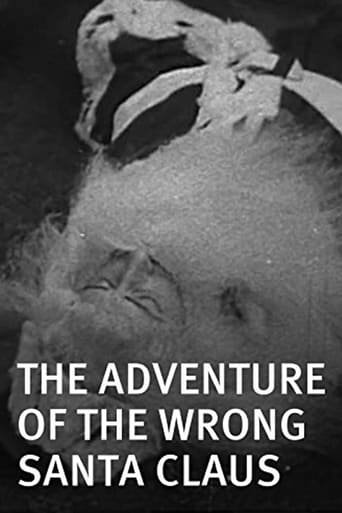
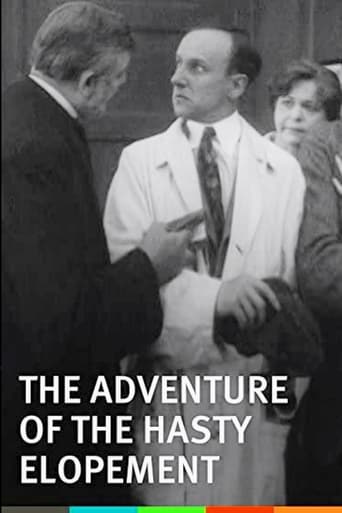
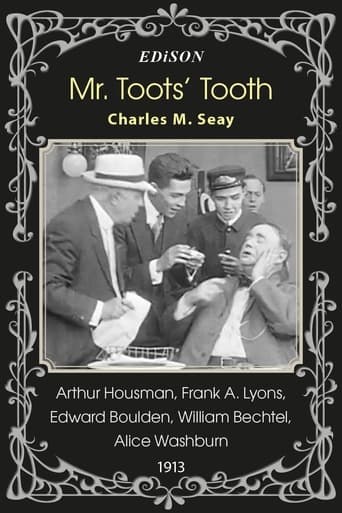
American film director active during the early silent era, primarily known for his work in the years 1913-1914. He directed several short comedy films for the Thanhouser Company, one of the motion picture studios of the early 1910s. His most notable works include 'Mr. Toots' Tooth' (1913) and two adventure-comedy shorts from 1914, 'The Adventure of the Wrong Santa Claus' and 'The Adventure of the Hasty Elopement.' Seay was part of the first generation of American filmmakers who helped establish the language of cinema during its formative years. His films typically featured comedic situations and slapstick elements that were popular with audiences of the time. Like many directors of this period, his career was relatively brief, as the film industry was still developing its professional structures and many early filmmakers moved on to other pursuits. His work represents the transitional period between cinema's earliest days and the more sophisticated narrative films that would emerge in the late 1910s.
The Craft
Behind the Camera
Charles M. Seay's directing style reflected the conventions of early silent comedy, emphasizing visual gags, slapstick humor, and simple narrative structures that could be easily understood without dialogue. His films typically ran for one or two reels and featured broad comedic situations that appealed to the mass audiences of the early 1910s. Like many directors of this era, he employed straightforward camera techniques and focused on clear visual storytelling to compensate for the lack of synchronized sound.
Milestones
- Director at Thanhouser Company
- Directed 'Mr. Toots' Tooth' (1913)
- Created 'The Adventure of the Wrong Santa Claus' (1914)
- Directed 'The Adventure of the Hasty Elopement' (1914)
- Part of early American silent film movement
Best Known For
Must-See Films
Working Relationships
Studios
Why They Matter
Impact on Culture
Charles M. Seay contributed to the development of early American cinema during a crucial transitional period when film was evolving from novelty to art form. His work with the Thanhouser Company helped establish patterns of comedic storytelling that would influence subsequent generations of filmmakers. Though his individual films were modest productions typical of their era, they represent the building blocks of American comedy cinema and the establishment of short-form narrative filmmaking as an industry standard.
Lasting Legacy
Charles M. Seay's legacy lies primarily in his contribution to the early development of American silent comedy. While not as well-remembered as some of his contemporaries who went on to greater fame, his films serve as important historical documents of early 20th century filmmaking techniques and popular entertainment preferences. His work helps modern film historians understand the evolution of cinematic language and the types of content that appealed to early movie audiences.
Who They Inspired
As an early director, Seay's influence was primarily on the immediate development of short comedy films rather than on later generations of filmmakers. His work contributed to the establishment of comedic conventions and narrative structures that would be refined and expanded upon by more famous directors who followed. His films represent part of the foundation upon which American comedy cinema was built during the silent era.
Off Screen
Very little personal information is available about Charles M. Seay, which is typical for many early film industry professionals who worked before cinema became a major cultural institution. Like many of his contemporaries in the early 1910s, he appears to have had a brief but significant career during cinema's formative years before the industry established more comprehensive documentation of its participants.
Did You Know?
- Worked during the very early years of American cinema
- Directed films for Thanhouser Company, one of the first major American film studios
- His films were typically one or two reels in length, standard for the period
- The Adventure of the Wrong Santa Claus was one of the earliest Christmas-themed comedy films
- His entire known directorial active years covered only two years (1913-1914)
- Like many early filmmakers, he disappeared from historical records after his brief film career
- His films exemplify the transition from actuality films to narrative cinema
- The Thanhouser Company was known for its high-quality productions during this period
Frequently Asked Questions
Who was Charles M. Seay?
American on YTB.my. He directed several short comedy films for the Thanhouser Company, including 'Mr. Toots' Tooth' and 'The Adventure of the Wrong Santa Claus.' He was part of the first generation of American filmmakers who helped establish the language of cinema during its formative years.
What films is Charles M. Seay best known for?
Titles linked here include Mr. Toots' Tooth (1913), The Adventure of the Wrong Santa Claus (1914).
When was Charles M. Seay born and when did he die?
Unfortunately, specific birth and death dates for Charles M. Seay are not available in historical records, which is common for many early film industry professionals who worked before comprehensive documentation became standard in the film industry.
What awards did Charles M. Seay win?
Charles M. Seay did not receive any known awards or nominations, which is typical for filmmakers working in the early 1910s before the establishment of major film awards like the Academy Awards (which weren't created until 1929).
What was Charles M. Seay's directing style?
Seay's directing style reflected the conventions of early silent comedy, emphasizing visual gags, slapstick humor, and simple narrative structures. His films employed straightforward camera techniques and focused on clear visual storytelling that could be easily understood by audiences without dialogue.