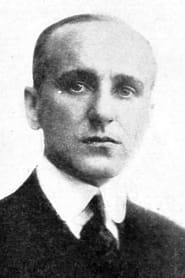
Barry O'Moore
Actor
Born: May 31, 1880 in Ottawa, Ontario, Canada Died: December 2, 1949 Active: 1909-1914 Birth Name: Herbert Charles O'Moore
Films
8 films
About Barry O'Moore
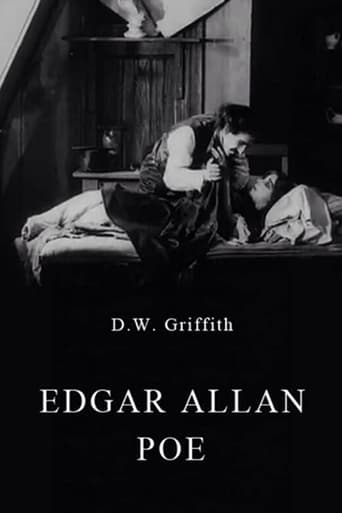
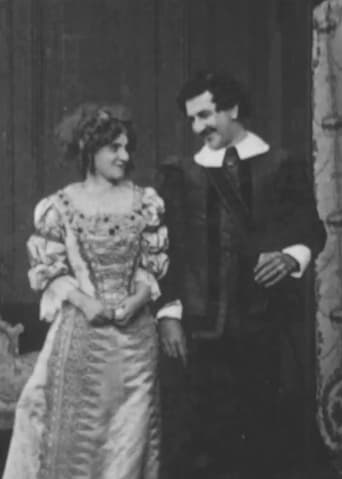
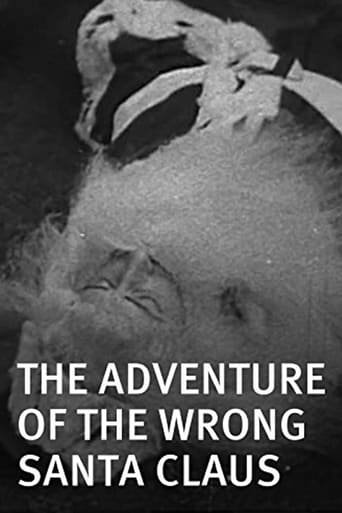
Canadian actor who emerged during the dawn of cinema, working primarily in the silent film era from 1909 to 1914. He began his career with the Vitagraph Company of America, prolific film studios of the early 1900s, appearing in numerous short films that helped establish the language of cinema. His work spanned various genres including dramatic adaptations like 'Edgar Allan Poe' (1909), romantic dramas such as 'At the Altar' (1909), and early comedy films like 'The Adventure of the Wrong Santa Claus' (1914). O'Moore was part of the first generation of film actors who transitioned from stage to the new medium of motion pictures, helping to develop acting techniques suitable for silent film. His career, though relatively brief, coincided with a crucial period in cinema history when filmmaking was evolving from novelty to art form. After 1914, O'Moore largely disappeared from the film industry, as many early film actors did during the transitional period when cinema became more professionalized and studio-dominated.
The Craft
On Screen
O'Moore's acting style was typical of the transitional period between stage and screen, featuring broad gestures and exaggerated expressions necessary for silent film communication. His performances combined theatrical training with the emerging demands of the camera, adapting stage techniques for the intimacy of film. Like many early film actors, he emphasized clear physical expression and facial emotions to convey narrative without dialogue.
Milestones
- Early work with Vitagraph Company of America
- Appeared in one of the first film adaptations of Edgar Allan Poe's work
- Participated in the development of early film acting techniques
- Worked during the transitional period from one-reel to multi-reel films
- Contributed to the establishment of dramatic storytelling in silent cinema
Best Known For
Iconic Roles
Must-See Films
Accolades
Special Recognition
- Recognized as an early pioneer of Canadian cinema
Working Relationships
Worked Often With
Studios
Why They Matter
Impact on Culture
Barry O'Moore represents the important but often overlooked contributions of Canadian actors to early American cinema. As one of the first generation of film actors, he helped establish the foundation of screen acting that would evolve throughout the silent era. His work in adapting literary works like Edgar Allan Poe's stories to film contributed to the early development of cinematic storytelling and the establishment of literature as a source for film adaptations.
Lasting Legacy
Though his career was brief and occurred during cinema's infancy, O'Moore's work exemplifies the spirit of early filmmakers and actors. His films serve as valuable historical artifacts documenting the evolution of cinematic language and acting techniques. As a Canadian who found success in early Hollywood, he represents the international nature of early film production and the significant role Canadian talent played in establishing American cinema.
Who They Inspired
As an early film actor, O'Moore's influence was primarily in helping to establish the conventions of silent film acting that would be refined and developed by subsequent generations of performers. His work in dramatic films helped demonstrate the potential of cinema as a serious artistic medium, contributing to the gradual elevation of film from novelty entertainment to legitimate art form.
Off Screen
Born Herbert Charles O'Moore in Ottawa, Ontario, he later adopted the stage name Barry O'Moore for his film career. He was part of the early wave of Canadian talent who found success in the burgeoning American film industry. After his film career ended around 1914, he returned to Canada and lived a relatively private life away from the entertainment industry. He passed away in 1949 at the age of 69.
Education
Likely received theatrical training, though specific educational details are not documented in available sources
Family
- Information not available
Did You Know?
- Born in Ottawa, making him one of the earliest documented Canadian actors in American cinema
- Worked during the era when films were typically only 10-15 minutes long
- Appeared in films before Hollywood became the center of American film production
- His real name was Herbert Charles O'Moore, but he used Barry professionally
- The Vitagraph Company he worked for was
- His film career ended before the feature film became the industry standard
- He was part of the generation that literally invented film acting as a distinct art form
- His films are now considered valuable historical documents of early cinema
- The exact number of films he appeared in is unknown due to incomplete records from the period
- He represents the many early film actors whose contributions were largely lost to history
In Their Own Words
No documented quotes are available from this early silent film actor
Frequently Asked Questions
Who was Barry O'Moore?
Canadian with credits in this catalog. He was one of the actors who helped establish the foundations of film acting, working primarily with the Vitagraph Company of America in short dramatic films.
What films is Barry O'Moore best known for?
Titles linked here include Edgar Allan Poe (1909), At the Altar (1909).
When was Barry O'Moore born and when did he die?
Born May 31, 1880; died December 2, 1949.
What awards did Barry O'Moore win?
Barry O'Moore did not receive any formal awards during his career, as he worked during a period before the establishment of major film awards like the Academy Awards. His recognition comes primarily from his status as an early pioneer of cinema.
What was Barry O'Moore's acting style?
His acting style was characteristic of the transitional period between stage and screen, featuring broad gestures and exaggerated expressions necessary for silent film communication. He adapted theatrical techniques for the camera, helping establish early conventions of film acting.
Why did Barry O'Moore's career end in 1914?
His career ended around 1914 during a period when the film industry was becoming more professionalized and studio-dominated. Many early film actors left the industry during this transitional period as cinema evolved from short films to features and acting became more specialized.
What was Barry O'Moore's contribution to cinema history?
O'Moore contributed to cinema history as one of the actors who helped establish film acting techniques and demonstrated the potential of cinema for dramatic storytelling. His work in early adaptations of literary material helped establish literature as a source for film content.
Was Barry O'Moore American?
No, Barry O'Moore was Canadian, born in Ottawa, Ontario. He represents the many Canadian actors who found success in the early American film industry, contributing to the international nature of early cinema production.