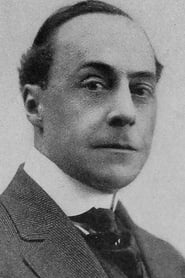
Yale Benner
Actor
Born: 1885 in Philadelphia, Pennsylvania, USA Died: 1938 Active: 1914-1922
Films
5 films
About Yale Benner
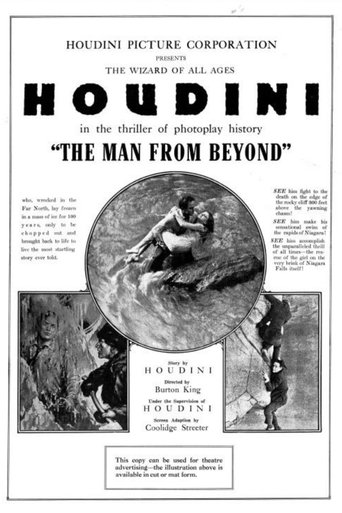
American actor who worked during the silent film era, primarily in the 1910s and early 1920s. He began his film career in 1914 with appearances in short comedies and dramas, gradually building a reputation as a reliable supporting actor. Benner worked with several production companies during his career, appearing in various genres from romantic comedies to adventure films. His most notable role came in 1922 when he appeared in 'The Man from Beyond,' starring the escape artist Harry Houdini. Throughout his career, Benner typically played character roles, often as authority figures, businessmen, or supporting characters who helped drive the plot forward. His film career appears to have concluded by the mid-1920s, as was common for many actors who struggled to transition to sound films or chose to pursue other interests. While not a major star, Benner contributed to the early American cinema during its formative years.
The Craft
On Screen
As a silent film actor, Yale Benner employed the exaggerated physical gestures and facial expressions typical of the era, using his body language to convey emotion and character motivation. His performances were characterized by a naturalistic approach within the constraints of silent cinema, often bringing depth to supporting roles through subtle yet clear visual storytelling.
Milestones
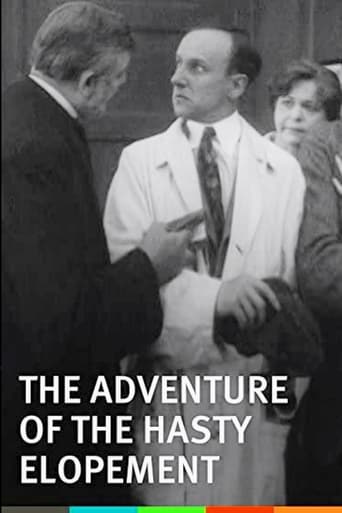
- Film debut in 'The Adventure of the Hasty Elopement' (1914)
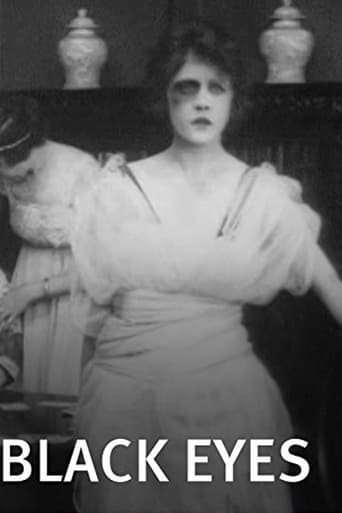
- Appearance in 'Black Eyes' (1915)
- Notable role in Harry Houdini's 'The Man from Beyond' (1922)
- Consistent work as a character actor throughout the silent era
Best Known For
Iconic Roles
Must-See Films
Working Relationships
Worked Often With
Studios
Why They Matter
Impact on Culture
Yale Benner represents the countless character actors who formed the backbone of early American cinema, providing essential support to leading players and helping to establish the visual language of film. His work during the silent era contributed to the development of cinematic storytelling techniques that would influence generations of filmmakers. While not a major star, Benner's participation in films like 'The Man from Beyond' helped cement Harry Houdini's cinematic legacy and demonstrated the collaborative nature of early film production.
Lasting Legacy
Yale Benner's legacy lies in his contribution to the silent era cinema, where actors like him provided the foundation upon which star performances could shine. His film work serves as a valuable historical record of early American filmmaking practices and the types of stories that captivated audiences during the 1910s and 1920s. Though largely forgotten by mainstream audiences, his performances survive as part of the silent film heritage that continues to be studied and appreciated by film historians and enthusiasts.
Who They Inspired
As a supporting actor during the formative years of American cinema, Yale Benner's influence was primarily through his contributions to the ensemble casts that helped establish narrative film conventions. His work exemplified the type of reliable, professional acting that studios depended on to populate their productions and create believable cinematic worlds.
Off Screen
Yale Benner maintained a relatively private personal life away from the Hollywood spotlight. Born in Philadelphia in 1885, he eventually made his way to the burgeoning film industry in California. Like many actors of his era, he lived during a transformative period in American entertainment, witnessing the transition from stage to screen and from silent to sound films. His active years covered the height of the silent era, concluding before the major industry changes of the late 1920s.
Did You Know?
- Appeared in Harry Houdini's most famous film 'The Man from Beyond' (1922)
- His active years covered exactly eight years from 1914 to 1922
- Worked during the peak years of silent film production
- Like many silent era actors, his career ended before the transition to sound films
- Born in Philadelphia, a city that produced many early film pioneers
- His filmography consists primarily of supporting and character roles
- Participated in the early short film format that dominated American cinema in the 1910s
Frequently Asked Questions
Who was Yale Benner?
American silent film with credits in this catalog. He appeared in films including 'The Adventure of the Hasty Elopement' (1914), 'Black Eyes' (1915), and notably 'The Man from Beyond' (1922) starring Harry Houdini.
What films is Yale Benner best known for?
Titles linked here include The Man from Beyond (1922), Black Eyes (1915).
When was Yale Benner born and when did he die?
Born 1885; died 1938.
What awards did Yale Benner win?
There are no records of Yale Benner receiving major awards or nominations during his career. Like many character actors of the silent era, his contributions were primarily through his consistent work in supporting roles rather than through formal recognition.
What was Yale Benner's acting style?
Yale Benner employed the typical acting style of the silent era, using exaggerated gestures and facial expressions to convey emotion and character motivation. His performances were characterized by naturalistic expression within the constraints of silent cinema, bringing depth to supporting roles through clear visual storytelling.